
Credit: Adobe Stock
People Are Only Just Finding Out What Pumpkin Spice Is Made From – And It’s Not Pumpkin
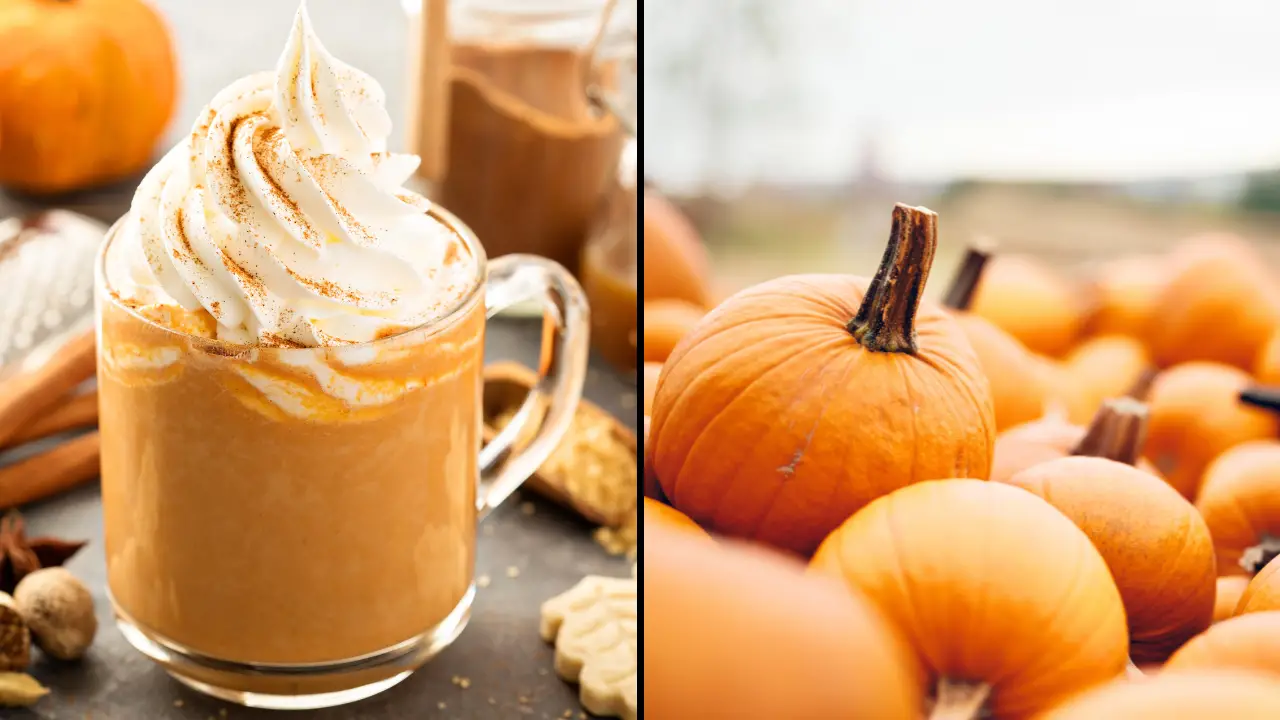
People have been left shocked after finding out that pumpkin spice is not actually made of pumpkin.
As autumn leaves begin to fall and the familiar chill creeps into the air, millions of people around the world eagerly await the return of their favorite seasonal flavor: pumpkin spice.
The craze extends far beyond beverages – it appears in everything from cookies and cakes to pet food and beauty products.
But here’s a revelation that’s been shocking people across social media: pumpkin spice doesn’t actually contain any pumpkin.
The internet has been buzzing with surprised reactions as people discover this culinary truth.
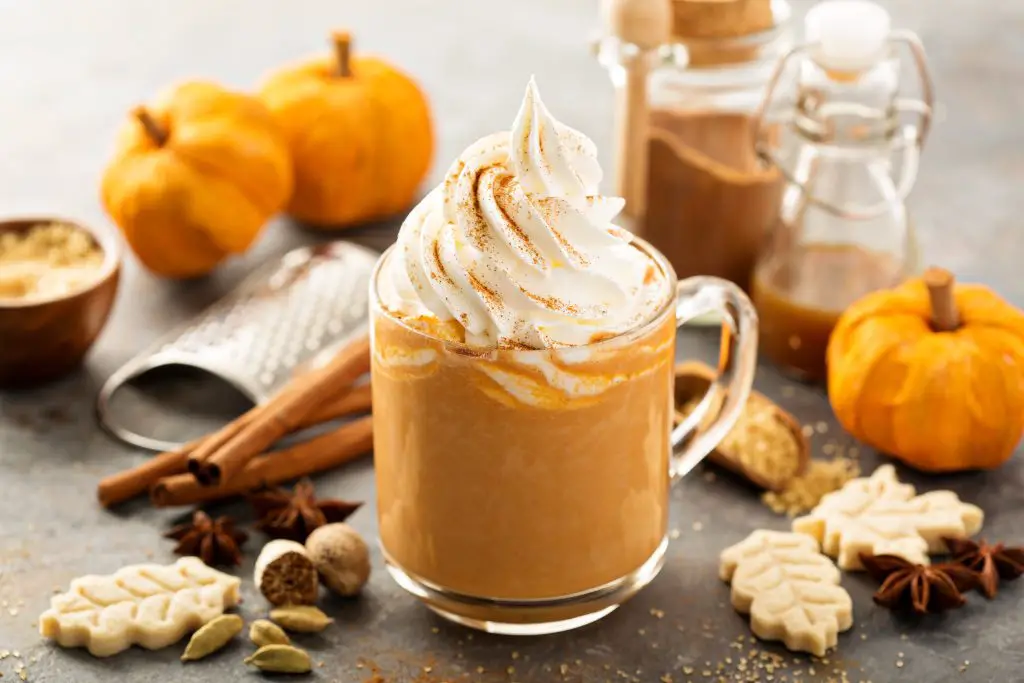
On Reddit, one user expressed their disbelief: “How is there no pumpkin in pumpkin spice? In my 42 years, not one person has mentioned this. I am shook.”
The comments section exploded with similar reactions. “Wait, WHAT?! My whole life has been a lie!” wrote another user.
Others chimed in with: “I literally just found this out today and I’m 35 years old. I feel so stupid,” and: “This is like finding out strawberry milk doesn’t contain strawberries… oh wait, does it?”
Contrary to popular belief, pumpkin spice wasn’t invented by Starbucks for their famous Pumpkin Spice Latte.
The spice blend has much deeper roots, dating back to medieval Europe, where a similar mixture called ‘sweet powder’ was used in various dishes.
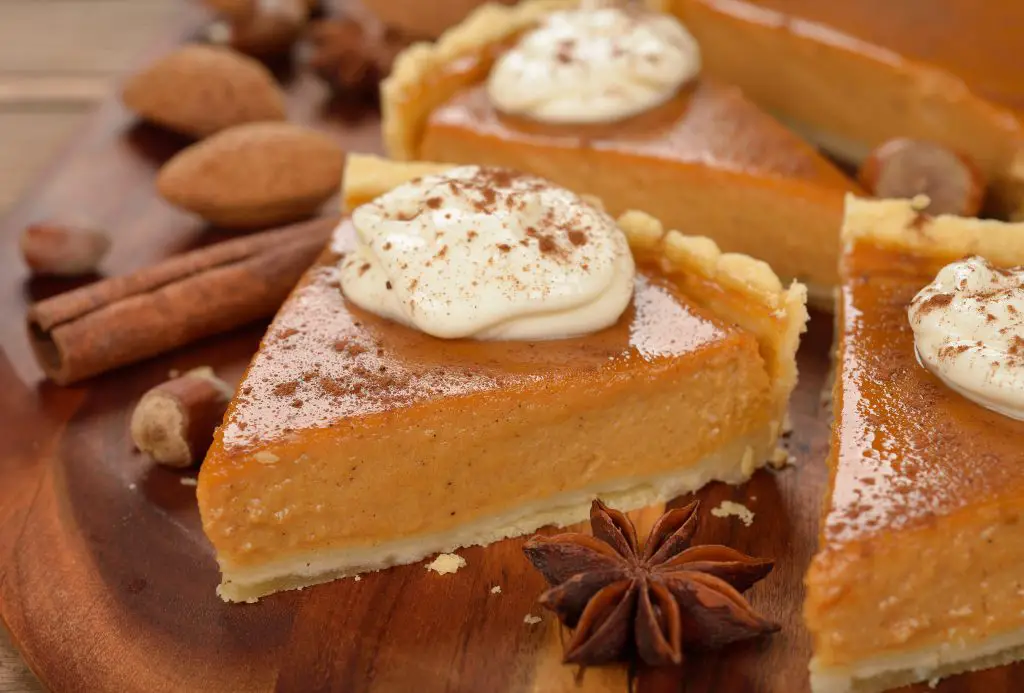
In America, spiced pumpkin pie recipes appeared as early as 1798 in Amelia Simmons’ cookbook ‘American Cookery,’ Mashed reports.
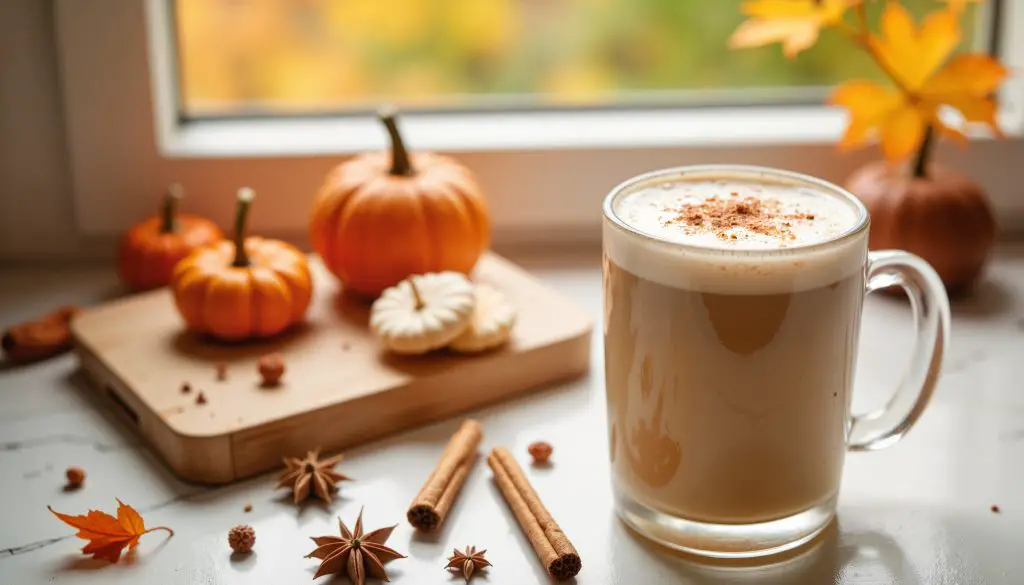
The commercial pumpkin spice blend we know today was first launched by Thompson & Taylor Spice Co. in 1933, followed by McCormick’s version in 1934 – decades before the PSL made its debut in 2003, per Forbes.
The response that followed perfectly captured the misunderstanding: “There’s no taco in taco seasoning either. It’s the spice for the thing, not from it.”
This comparison highlights exactly what pumpkin spice is meant to be – it’s the blend of spices traditionally used to flavor pumpkin pie, not a flavoring made from pumpkins themselves.
But here’s the fascinating part about these ingredients that create the autumn magic: these tropical spices have no natural connection to autumn or pumpkins.
The spices that make up pumpkin spice all originate from warm Southeast Asian climates – quite the opposite of crisp fall mornings.
Their association with autumn comes from centuries of culinary tradition, when these expensive imported spices were reserved for special harvest celebrations and winter holidays in Europe and America.
The psychology behind pumpkin spice’s appeal is equally intriguing.
Cognitive neuroscientist Jason Fischer from Johns Hopkins University explains to IFLScience that our sense of smell has a direct pathway to the limbic system, the brain region responsible for emotion and memory.
“Pumpkin spice aromas emerge in the fall in shops and cafes, coinciding with the arrival of colorful leaves, family gatherings, and back-to-school bustle,” Fischer notes.
“The association that the smell has with the season in our memories allows it to powerfully evoke the refreshing feelings of fall.”
Food scientist Kantha Shelke explains that pumpkin spice’s appeal lies in its ability to evoke memories and emotions through taste and smell.
The blend contains approximately 340 distinct flavor compounds that work together to create that nostalgic autumn sensation.
While traditional pumpkin spice contains no pumpkin, some modern interpretations have adapted to consumer expectations.
Starbucks, responding to customer feedback and online criticism, reformulated its PSL in 2015 to include 2% real pumpkin puree made from kabocha pumpkins.
However, this tiny amount is more about marketing than flavor. As Shelke points out: “What coffee connoisseur would want a shot of pumpkin puree in their coffee?”
The reality is that pumpkin itself is mostly water and fiber with very little distinct taste. The flavors we associate actually come from how it’s prepared – with butter, sugar, and yes, pumpkin spice.
So after all this buildup, you’re probably wondering what actually creates this iconic autumn flavor that has captured the world’s attention.
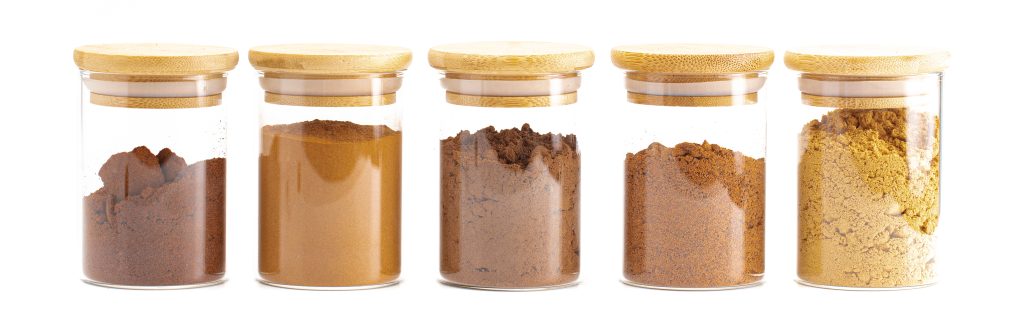
The classic blend consists of four main ingredients: cinnamon providing the warm, sweet base note, nutmeg adding depth and richness, ginger contributing a subtle heat and complexity, and either cloves or allspice delivering the final aromatic punch.
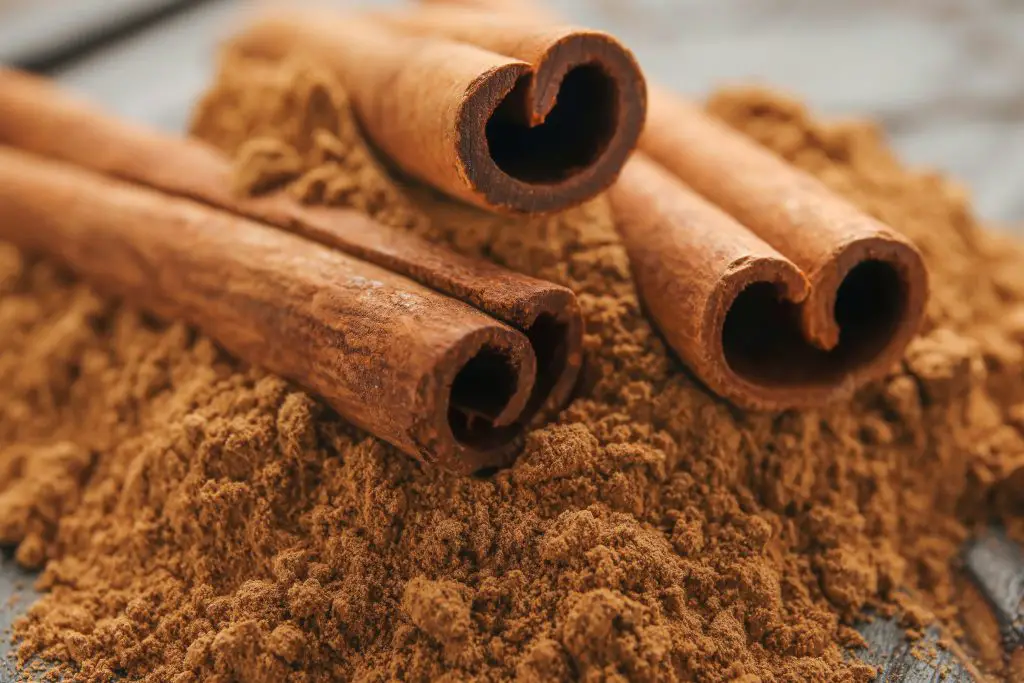
Some variations include vanilla for extra sweetness, and different brands may adjust the ratios to create their signature blend.
McCormick, one of the original commercial producers of pumpkin spice, uses allspice instead of cloves in their famous blend that’s been available since 1934.
Key chemical compounds in these spices include cinnamic aldehyde from cinnamon, eugenol from cloves and allspice, sabinene from nutmeg, and zingiberene from ginger.
Related Article: People Are Only Just Finding Out What Paprika Is Actually Made From
Related Article: People Are Only Just Realizing Why Maple Syrup Bottles Have Tiny Handles
Want more stuff like this?
Get the best viral stories straight into your inbox!
