

Credit: Adobe Stock
Seven Foods You Must Store In Fridge During Heatwaves
There are seven foods you must move to the fridge during a heatwave.
When the thermometer surges past the comfort zone, food that normally sits safely on a pantry shelf can deteriorate with alarming speed.
Public health officials worldwide now advise home cooks to rethink where they store some everyday staples whenever indoor temperatures stay above about 25 °C (77 °F) for extended periods.
“Periods of extreme heat increase the risks associated with improper food handling,” warns Rachael Kiss of the catering‑supply firm Alliance Online, per MailOnline. “Even small lapses in food hygiene can have significant consequences in warm weather.”
With that in mind, here are seven items most vulnerable to summer heat, each with its own cooling‑drawer rationale.
1. Condiments (ketchup, mustard, jam)
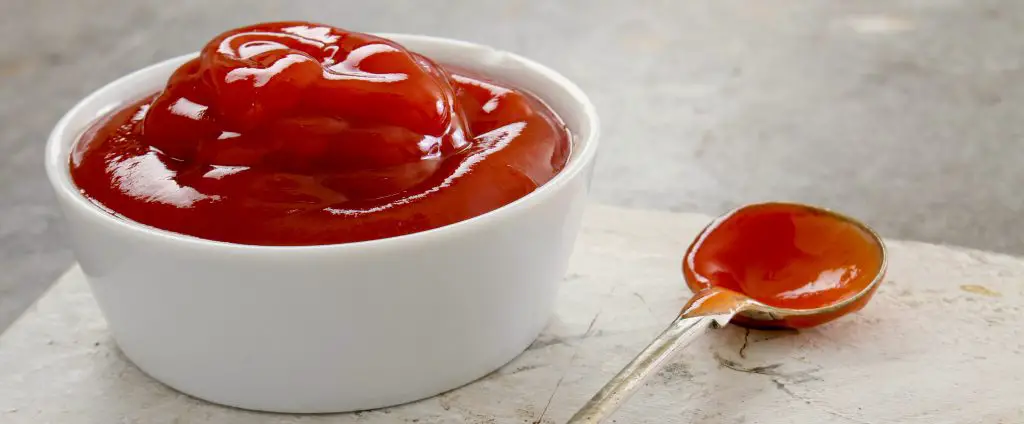
Tomato‑based sauces and sugary fruit preserves contain natural acids or added vinegar that inhibit bacterial growth at normal room temperature.
During a heatwave, however, the cupboard can climb to 30 °C (86 °F) or more, accelerating flavor changes and encouraging mold. Sliding the bottle or jar into the refrigerator slows both processes.
Bonus: ice‑cold ketchup tastes extra refreshing on grilled food.
2. Peanut butter
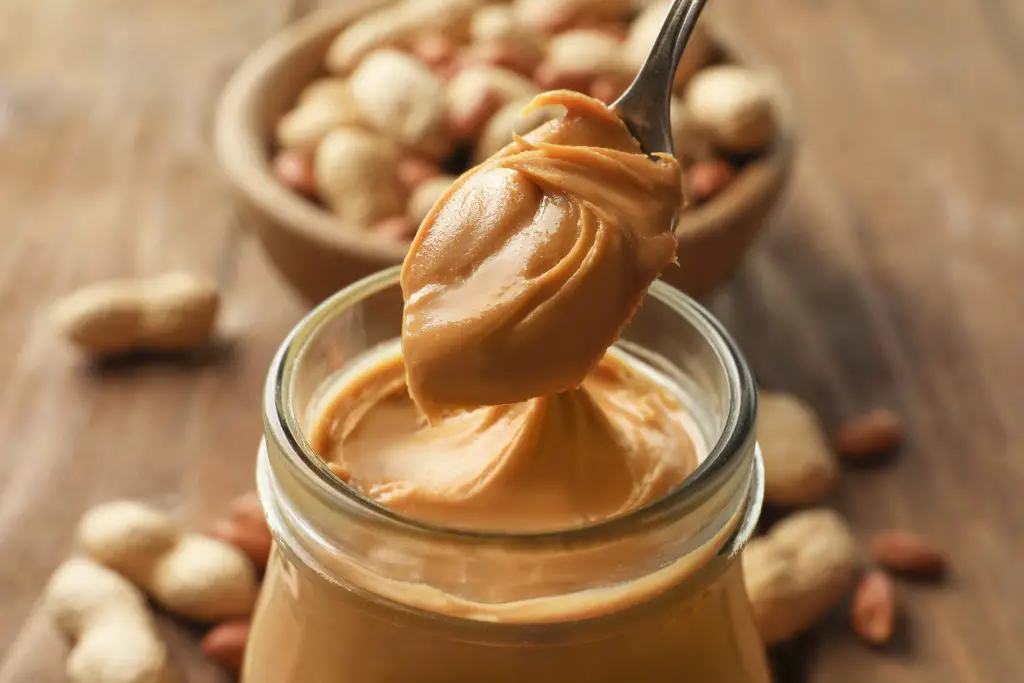
Nut butters are rich in unsaturated fats, the very molecules that turn rancid fastest when exposed to heat and oxygen.
Moving an opened jar to the fridge can double its shelf life and prevent the telltale stale‑oil odor that ruins a morning toast ritual.
Stir natural peanut butter first, then chill, as cold temperatures drastically slow the separation of oil.
3. Chocolate
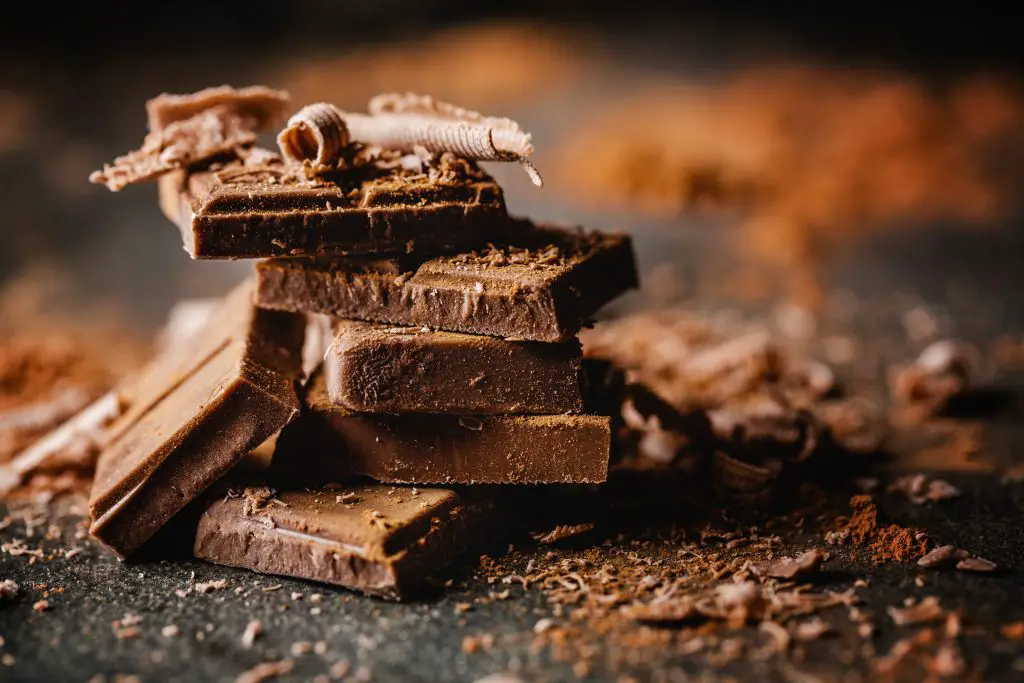
Chocolate melts at roughly human body temperature, so even a warm kitchen counter can leave bars glossy and misshapen.
Worse, once cocoa fat resolidifies, it often forms a whitish ‘bloom’ that looks unappetizing and subtly changes texture.
Refrigeration keeps candy bars and baking squares intact; just seal them in an airtight container to block fridge odors.
4. Bread
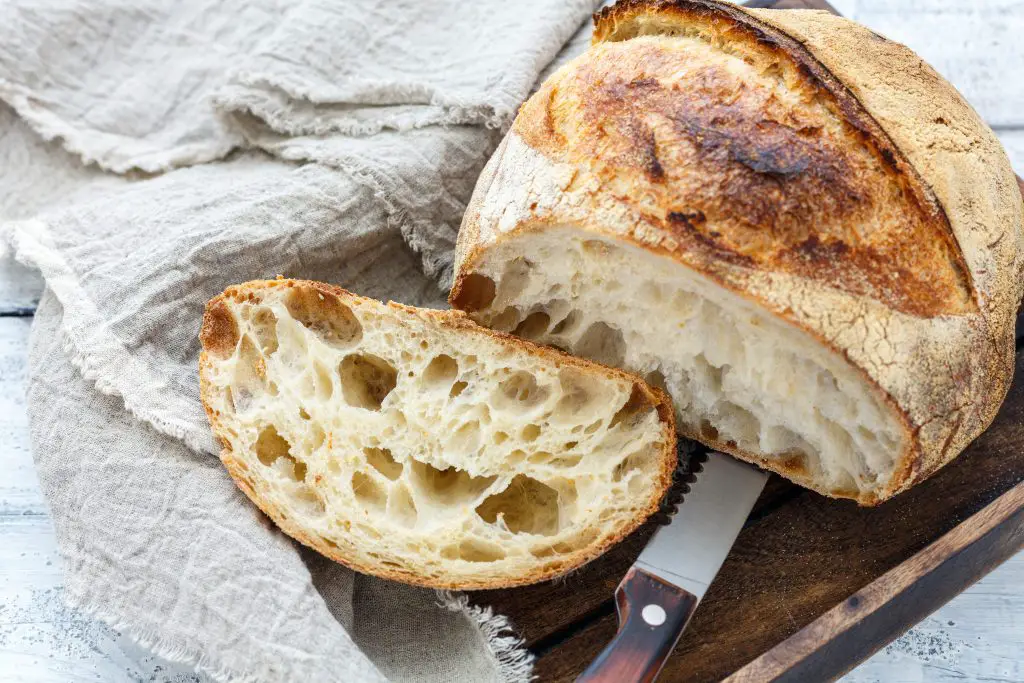
Yes, chilled bread stales faster, but it also resists mold that thrives in a humid heatwave kitchen.
If you plan to toast, grill, or make breadcrumbs, the dryness is a minor trade‑off for avoiding fuzzy green slices.
Otherwise, freeze extra loaves and thaw as needed.
5. Berries and stone fruits
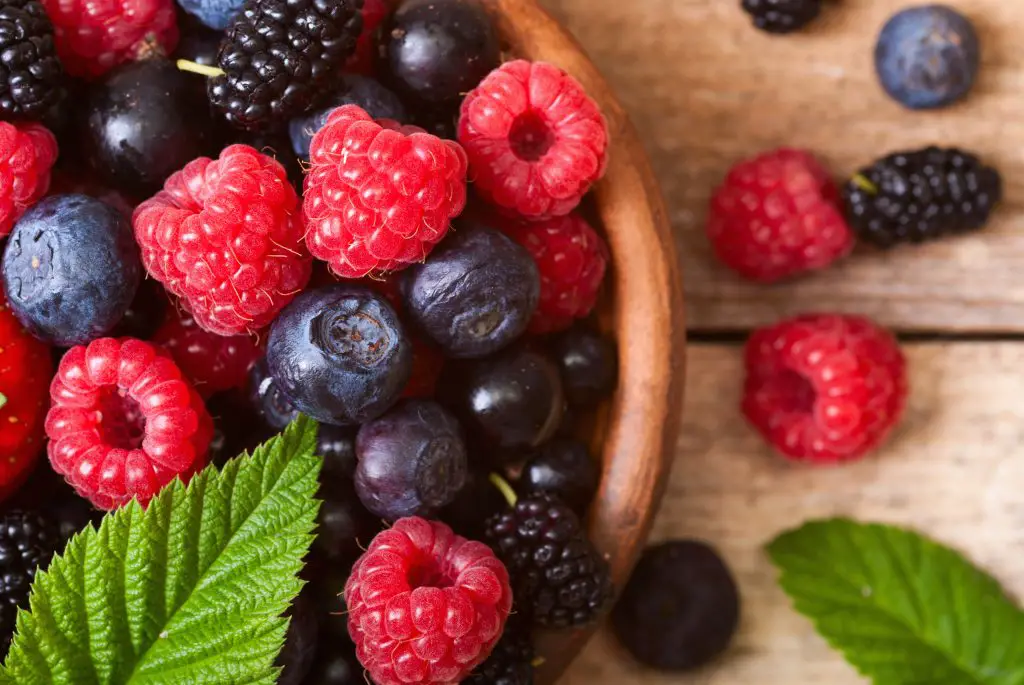
Highly perishable fruit spoils exponentially faster above 25 °C.
Raspberries, strawberries, peaches, and nectarines can lose freshness in mere hours on a warm countertop.
In the crisper drawer, ideally set between 1 °C and 4 °C (34–39 °F), they remain juicy for days, giving you more time to bake a pie or blend a smoothie.
6. Open sauces and spreads
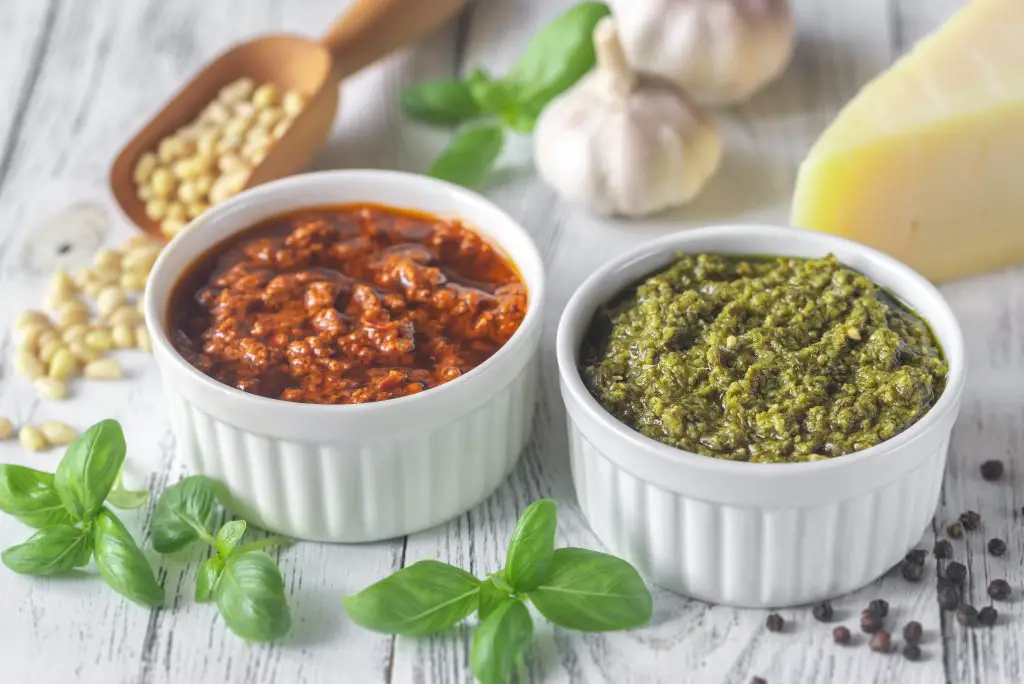
Whether it is pesto, salad dressing, tahini, or chili paste, once the seal is broken, you have introduced airborne microbes.
Heat acts like a growth accelerator. Keeping these jars cold buys extra weeks of safe use and preserves color and aroma.
7. Cakes and pastries with cream or icing
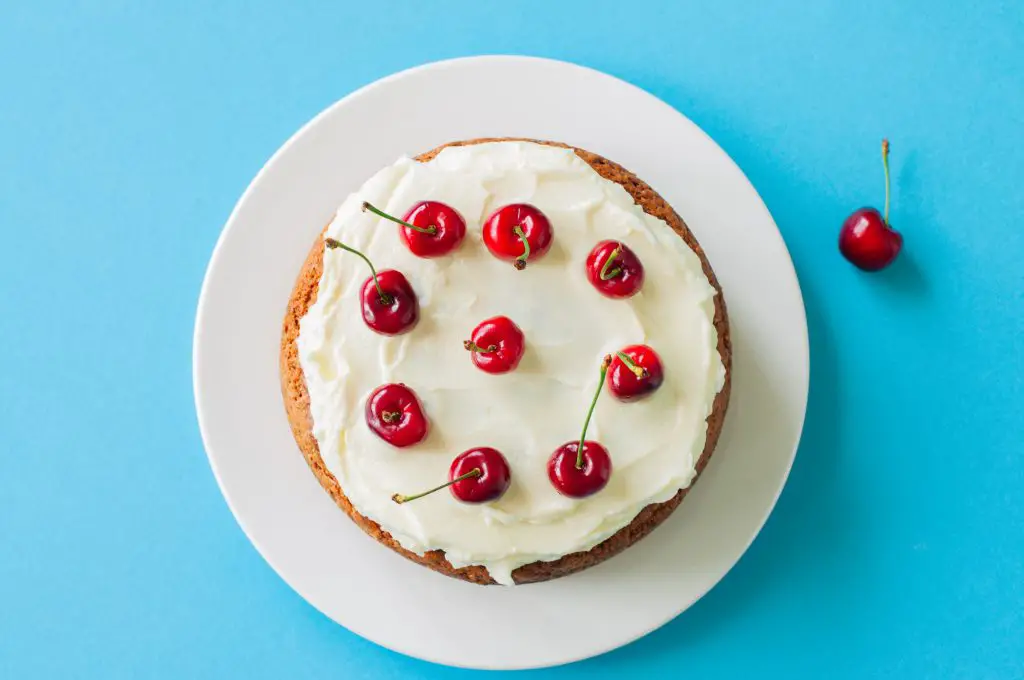
Buttercreams, custards, and whipped toppings are breeding grounds for bacteria when temperatures climb.
A chilled environment prevents the separation and souring that can turn a show‑stopping dessert into a food‑safety hazard.
Related Article: People Are Only Just Realizing What Filling Inside A Cadbury’s Creme Egg Is
Related Article: People Are Just Finding Out They’ve Been Drinking Water Wrong Their Whole Lives
Want more stuff like this?
Get the best viral stories straight into your inbox!
