
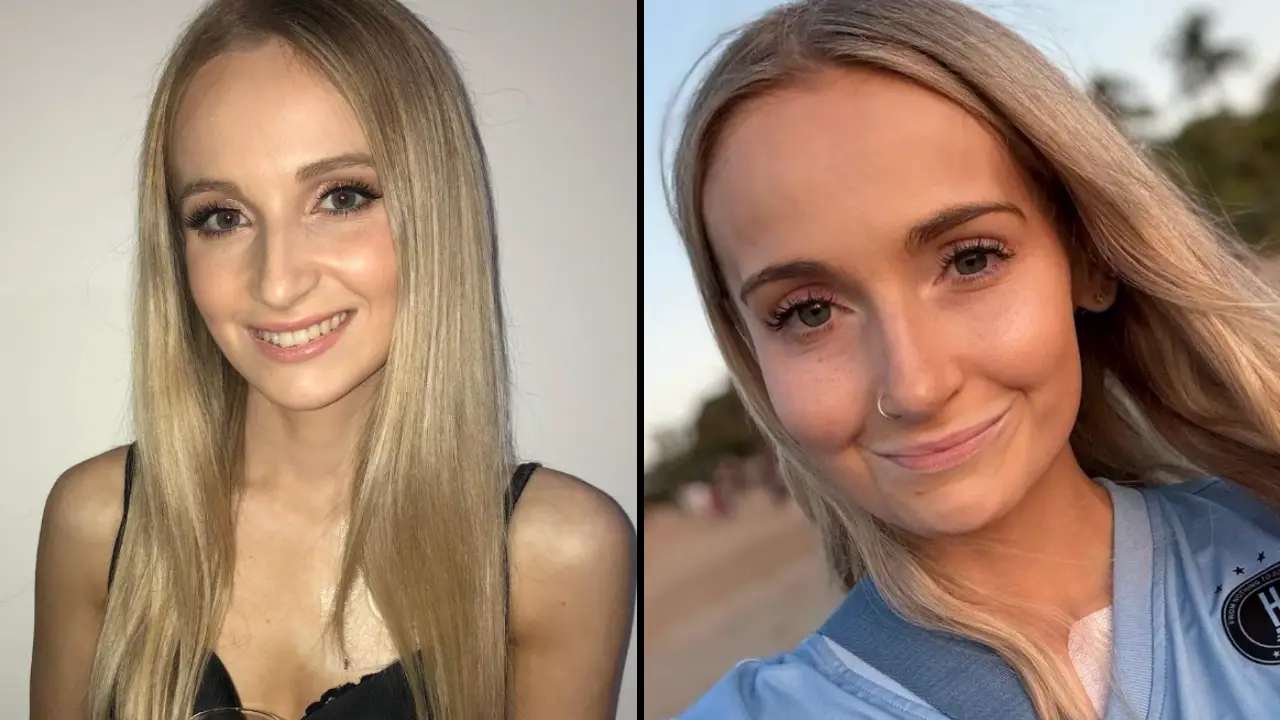
Credit: Annaliese Holland
‘Happy’ 25-Year-Old Woman Explains Her Decision To End Her Life With Medical Assistance
A young woman has explained why she is choosing to end her own life through voluntary assisted dying (VAD).
25-year-old Annaliese ‘Annie’ Holland, from Adelaide, Australia, is aware of the inner turmoil her dad Patrick, mom Armanda, and sister Vickie are experiencing because of her decision to apply for VAD.
In a recent interview with News.com.au, she said: “Dad is still coming to terms with it, it’s hard for all of them.”
Annie was talking to her dad in the kitchen one night and told him: “Dad I have had enough”.
He replied: “So you are giving up?” to which Annie said: “No I’ve just had enough. I’m not giving up. I’ve had enough.”
On a later occasion, after one of Annie’s many near-death nights in hospital, during which she had to be resuscitated, she told her father again: “Dad please let me go, I will not hate you if you let me go.”
Annie’s dad turned to her and said: “I understand. I don’t know how you do it, you’ve had enough. I understand.”

Law on assisted dying
Annie is one of more than 2400 terminally ill Australians who have chosen to die with medical assistance.
VAD is legal in all Australian states and the Australian Capital Territory.
Access is restricted to adults with a terminal illness who have decision-making capacity and are experiencing suffering.
Eligibility typically requires a prognosis of death within six to 12 months and a rigorous process of multiple requests, including a written one, assessed by two independent medical practitioners.
Everyday struggle
Annie has a rare autoimmune disease called Autoimmune Autonomic Ganglionopathy (AAG).
The illness causes her immune system to attack the autonomic nervous system, affecting vital bodily functions such as digestion, heart rate, blood pressure and urination.
The illness causes her immune system to attack the autonomic nervous system, affecting vital bodily functions such as digestion, heart rate, blood pressure and urination.
Annie, who was recently interviewed by News.com.au, experiences chronic pain, repeated infections, and organ failure.
She survives on total parenteral nutrition (TPN) delivered through a chest line and has had more than 25 episodes of sepsis.
Long-term steroid use has also caused severe osteoporosis.
Pain behind her smile
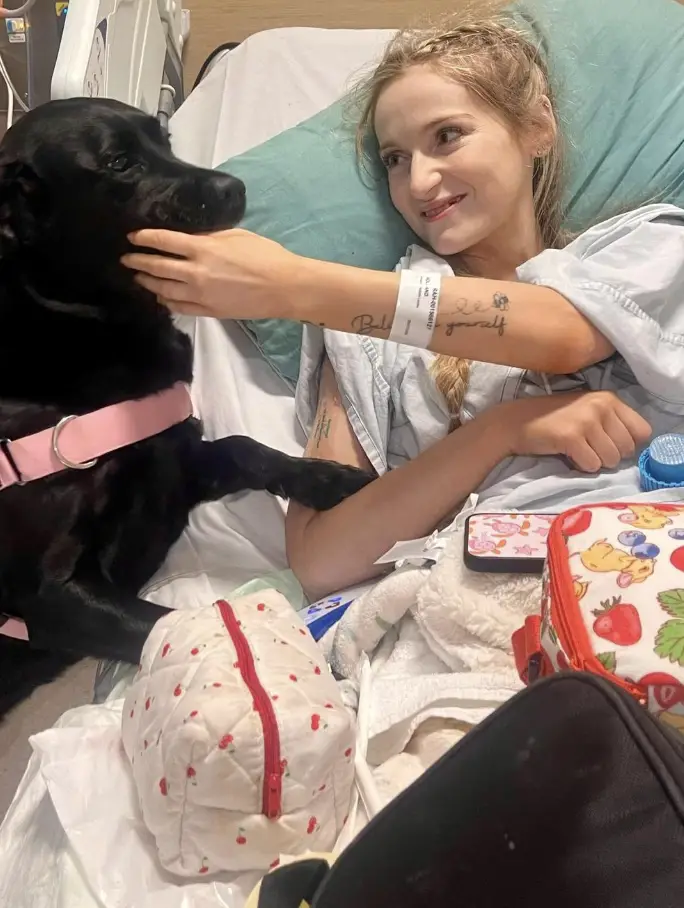
Although she often appears cheerful, Annie said many people don’t realize the extent of her suffering.
She said: “Because I do carry quite a smile and happiness, people don’t understand what I go through and what I have been through.
“My days, even though there’s beautiful moments in my days, they are exhausting and long. I’m in chronic debilitating pain. I experience vomiting and nausea every day.
“I’m just surviving. I don’t have quality of life. And it’s lonely.”
She also described feeling dehumanized by the health system, adding: “At the end of the day it’s my body.
“I’ve spent 12 plus years being part of a system, a number, not a person, and the pain inflicted on me… it’s my turn, it’s my choice, nobody else’s and that’s a conversation we all should be able to have.”
Why she chose VAD
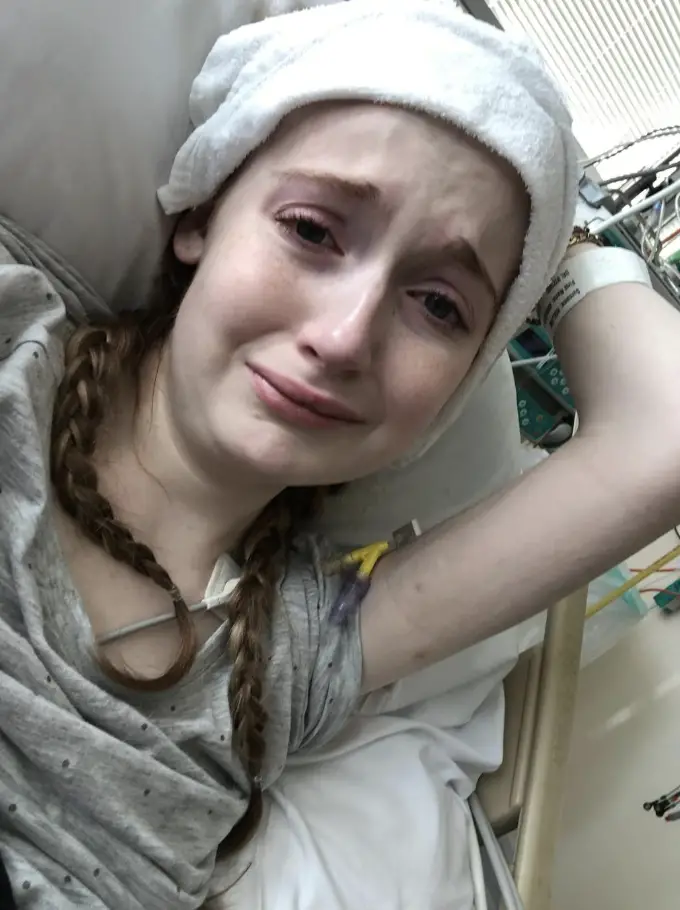
Annie said gaining access to VAD has brought her a sense of control and certainty.
She described the option as a ‘safety blanket,’ saying it means she can make the decision herself if her suffering becomes too great.
The 25-year-old continued: “For me, I don’t want to have to wake up every day with anxiety about the pain that I know is ahead for me. The pain of starving to death when they can’t feed me anymore, or the horror of sepsis.
“Knowing I can go when the time is right is just a huge relief.”
She added: “It’s so weird to be happy about it, but I am so happy and I feel so lucky that I do have this choice.
“It’s controversial and I haven’t really talked about it properly yet. But it’s so important.”
‘Talking about death shouldn’t be taboo’
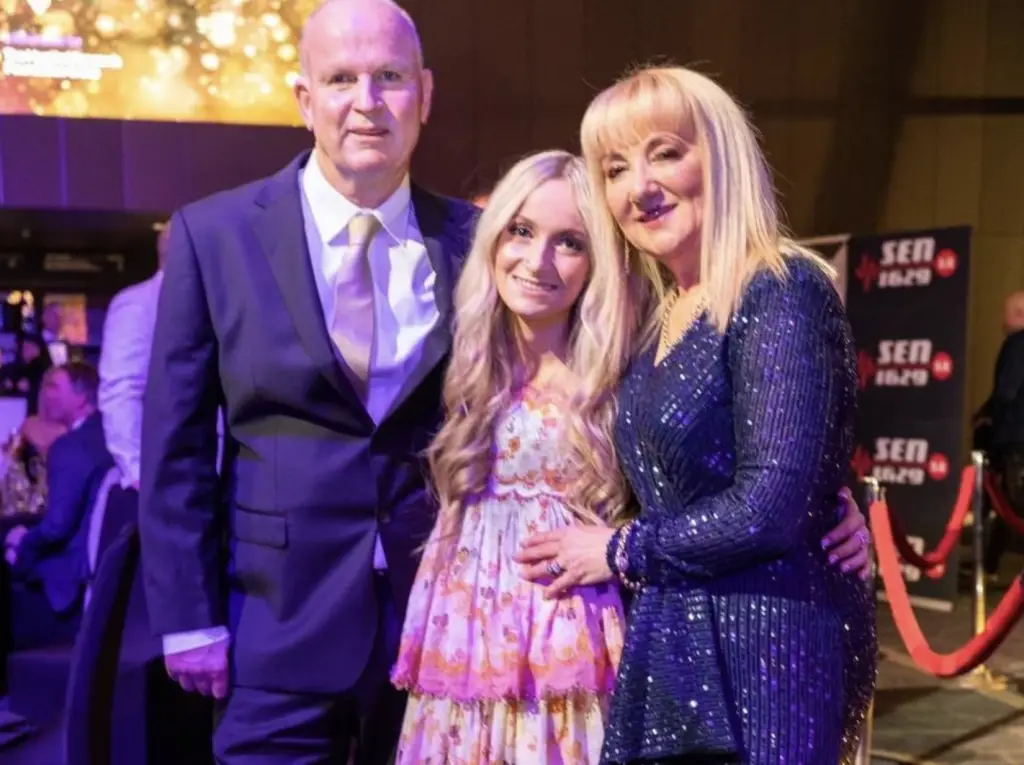
Despite her illness, Annie is focused on using her remaining time meaningfully.
She has created a ‘F***it List,’ which includes goals such as moving into her own home and trying on a wedding dress.
Annie wants to eat coconuts in heaven when she gets there, and all of the foods she has been unable to eat due to her illness.
She knows assisted dying is a controversial subject but she wants to help be a vehicle for change.
She added: “Talking about death and choices shouldn’t be taboo.”
If you or someone you know is affected by any of the issues raised in this story, call the National S**cide Prevention Lifeline in the USA at 800-273-TALK (8255) or text Crisis Text Line at 741741.
In the UK, the Samaritans are available 24/7 if you need to talk. You can contact them for free by calling 116 123, emailing [email protected], or heading to the website to find your nearest branch.
Related Article: Why Physically Healthy 29-Year-Old’s Wish To Be Euthanized Was Granted
Related Article: One Of World’s Most Devastating Diseases Successfully Treated For First Time
Want more stuff like this?
Get the best viral stories straight into your inbox!
