
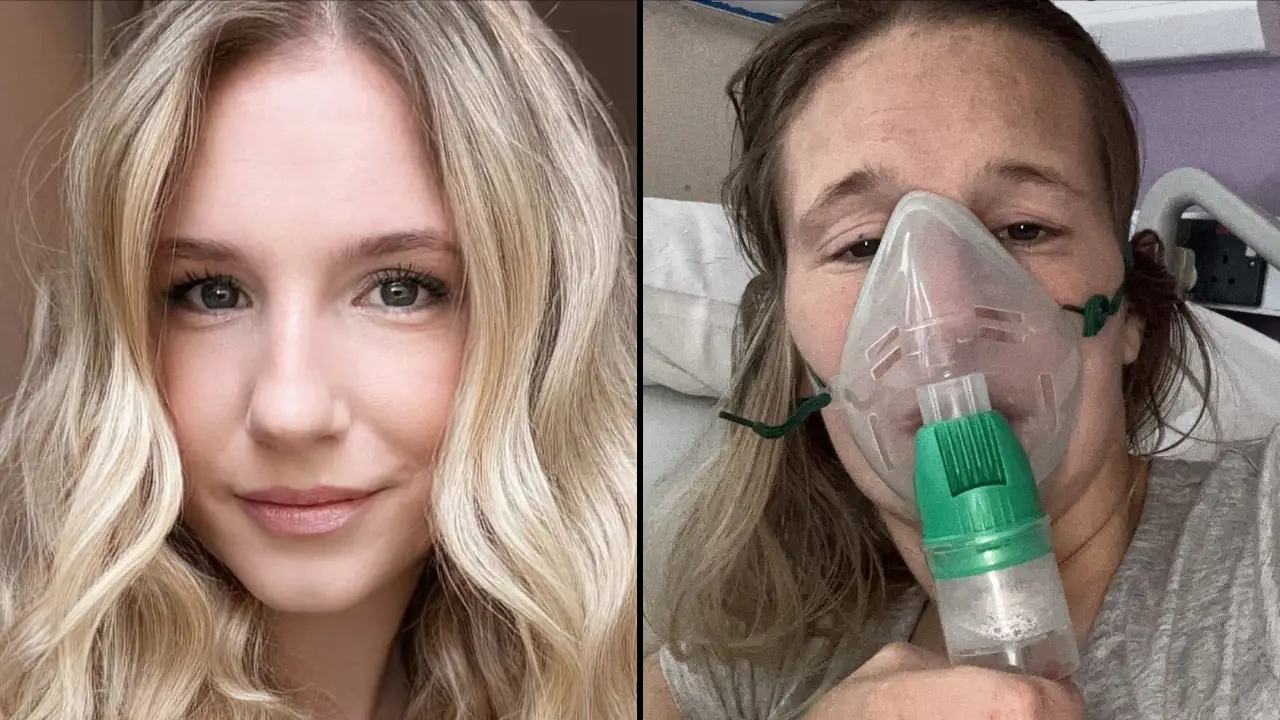
Credit: Kennedy News & Media
Mom Told She Will ‘Never Walk Again’ After Becoming Paralyzed Doing The Laundry
A mom has been told she will ‘never walk again’ after becoming paralyzed while doing the laundry.
Accidents at home often seem minor at first – a tumble down the stairs, or a simple misstep in the kitchen.
Most of us brush them off, thinking they’re nothing more than a momentary shock or a pulled muscle.
But sometimes, these everyday mishaps can have devastating, life-changing consequences.
For Tara Stovold, a routine task like bringing in the washing from the rain turned into a tragedy that left her permanently paralyzed, reshaping not only her life but the lives of her entire family.

Her story is a stark reminder that what seems harmless in the moment can quickly become catastrophic, and highlights the importance of listening to our bodies, recognizing warning signs, and advocating for urgent medical care.
‘Didn’t think much of it’
Stovold, 34, was bringing in washing in July 2025 when the incident occurred, and initially, she ‘didn’t think much of it.’
She said: “It’s shocking that a mundane, everyday chore has led to my whole life changing.
“We’ve done so much stuff as a family and a mundane task like hanging the washing out is what’s caused it.”
The mom explained was bringing in washing when she slipped on the wet decking and landed on her bottom.
She assumed she had only pulled a muscle until she woke up the next morning with numbness in her left leg and saddle area.

Stovold recalled: “It started to rain and I just went outside to bring the washing in and slipped. I landed on my bum and it hurt but I didn’t think much of it.
“The washing line goes over our decking so I slipped on the decking. It was painful and I had a bit of a cry.
“I brushed it off and thought I pulled a muscle and that it’d be bruised in the morning.
“I went to bed that night and had some ibuprofen and paracetamol. I woke up the next day and was totally numb down my left leg and my left foot was swollen as well.
“I had numbness in my saddle area and I couldn’t feel anything between my legs. I was concerned.”
Situation dramatically worsens
Concerned, Stovold rushed to the hospital, where she claims she was told she had a broken coccyx that would take eight to 12 weeks to heal, and she was not given an MRI.
Yet over the next three weeks, her pain worsened, and suddenly the right side of her body went ‘completely numb,’ and she became incontinent.
An MRI scan later showed that the mom had cauda equina syndrome (CES), which required surgery, but tragically left her paralyzed on her left side.
She then underwent two more operations after developing E. coli, sepsis, and Staphylococcus infections in her back wound, resulting in paralysis on her right side due to inflammation.
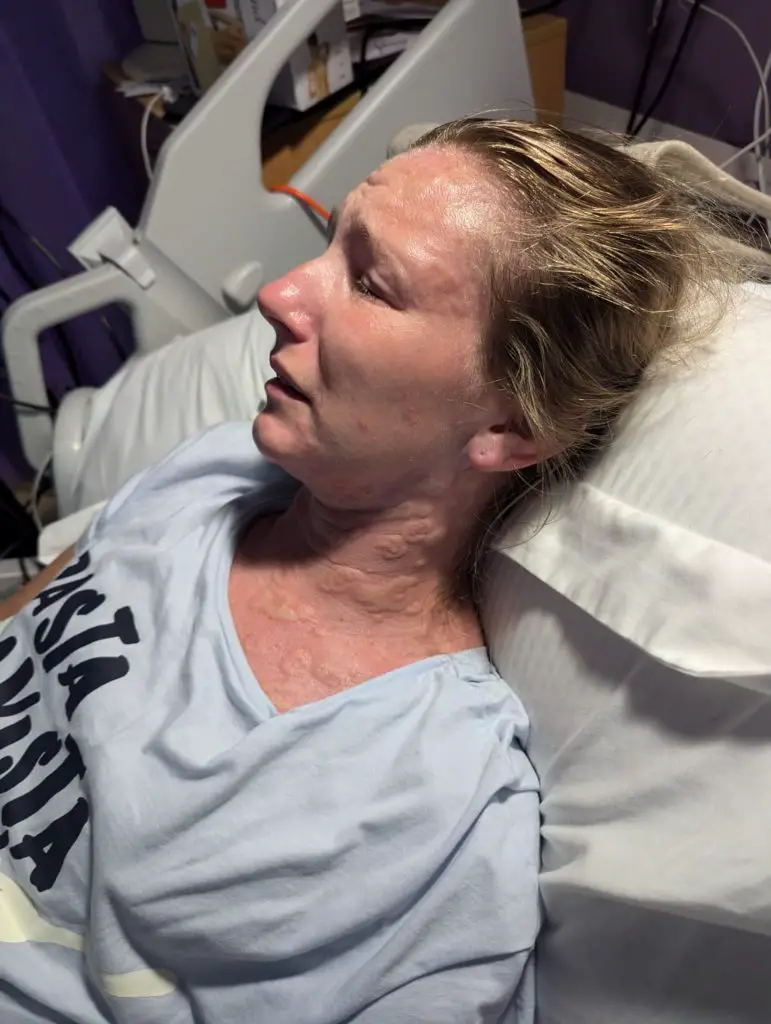
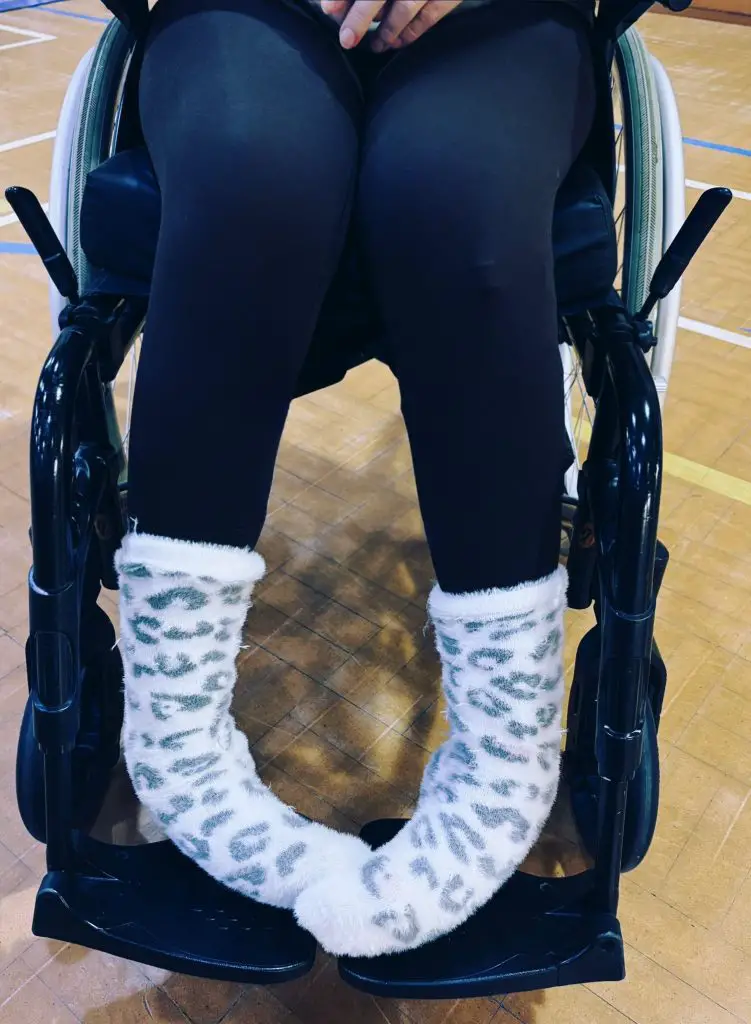
Stovold now needs a catheter, her feet are permanently turned inward, and she has been told she will never walk again.
The 34-year-old said: “It’s not easy being told you’re never going to walk again and not know whether that could have been prevented.
“When I slipped I blew a disc in my back and it crushed the nerves at the cauda equina level so they were crossed for more than the 24 to 48-hour emergency period.
“Because they were crushed for so long it’s caused severe nerve damage that’s left me paralysed. “I felt empty [to be told I’d never walk again], I put a lot of blame on myself.
“In the moment I didn’t think about me, it was how it’s going to affect everyone else’s life around me. “I was in a really bad place emotionally and mentally trying to grieve a life that I had and grieve a life we thought we were going to have.”
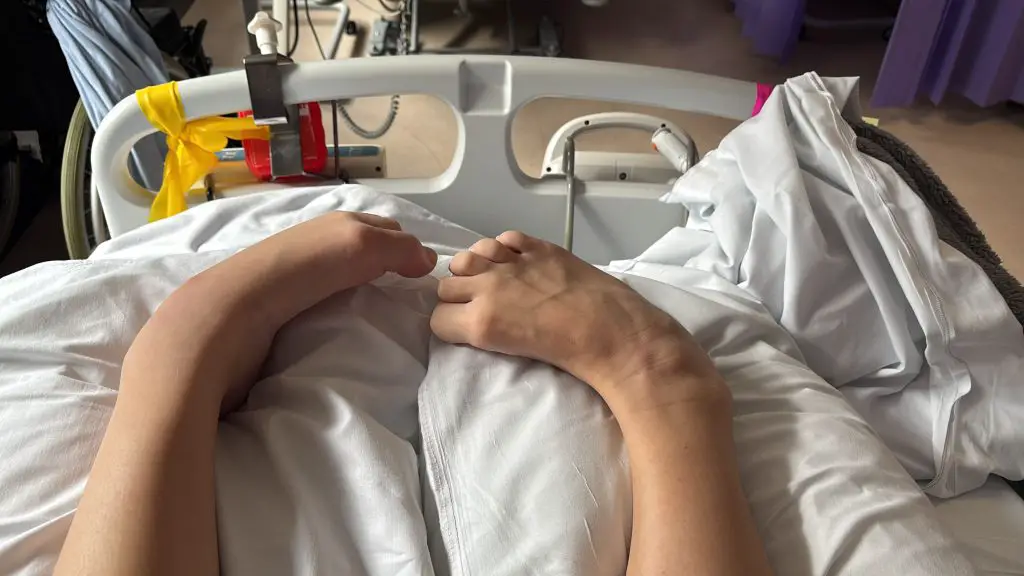
Stovold is currently confined to bed, taking heavy medication that causes constant drowsiness, while experiencing round-the-clock pain.
Emphasising the seriousness of her condition, the mom said: “They’re really worried about my knees locking in place too. If they don’t find treatment for it then they will lock and I’ll end up with straight legs as well for the rest of my life.”
Reflecting on her initial misdiagnosis, Stovold said she ‘should have been given an MRI but unfortunately I was misdiagnosed, which means that the 24 to 48 hour time period was prolonged to two weeks and six days.’
She described the ongoing uncertainty over what could have been done: “No one is going to tell me that [if it was detected early it could have potentially have prevented my paralysis]. However, could it have done? I don’t know and I’m finding that really hard to live with.”
Stovold added: “I just wish if I’d have known what CES was and if I’d have known the red flags I could have advocated for myself a bit the first time I went into hospital.”
What is cauda equina syndrome (CES)?
CES is a medical emergency that occurs when an injury or herniated disc puts pressure on the nerve roots at the base of the spinal cord. These nerves, known as the cauda equina, control movement and sensation in the legs as well as bladder and bowel function.
The condition can cause back pain, leg weakness, and loss of bladder or bowel control. Prompt surgical intervention is crucial to prevent lasting damage.
Immediate medical attention is essential if you notice signs of CES.
While the condition may not be directly life-threatening, it can cause permanent damage, impacting both health and quality of life. Quick surgical intervention can help treat many of the symptoms if performed promptly.
Turning trauma into advocacy and awareness
Following an occupational health review that found her current home unsuitable for her needs, Stovold is fundraising to help her family move into an accessible bungalow.
She is also using her story to raise awareness of CES and encourage others to advocate for themselves.
Tara described the challenges she and her family now face, saying: “It’s difficult and it’s an extra stress put on my family. I’ve got four beautiful children and an amazing partner.
“I was a present mum but if I’d have known it was the last time I was going to walk with my children or the last time I was going to kick a football around I would’ve been more present in life in general. It’s really hard to try and deal with.”
She urged others to trust their instincts when something feels wrong: “If you know there’s something wrong, listen to your gut, it’s always right. Don’t be afraid and don’t be intimidated by medical professionals. I didn’t have the courage to speak up.”

Tara also spoke about the importance of having support: “I’ve found an advocate in my partner. It’s finding that safe person to advocate for you if you don’t feel like you can advocate for yourself.”
She added advice for others in similar situations: “Try and not feel guilty because this happened to you. I didn’t cause this to myself, I just suffered the brunt of it. It’s okay to talk. I shut the world out for six months and I didn’t talk to anybody apart from my partner, mum, sister and dad.
“When I look back there’s so many people out there that wanted to help and support. Accepting that help is hard but it’s necessary.”
A Lancashire Teaching Hospitals spokesperson said: “Whilst we can’t comment on individual patient cases, we would urge anyone with concerns about their care to contact our Patient Advice and Liaison Service so that a full investigation can be instigated and any appropriate action put in place.”
You can donate to Tara Stovold’s GoFundMe here.
Related Article: Man Left In Coma And Given 4% Chance Of Survival After Pulling Out Ingrown Hair
Related Article: Neck-Cracking Habit Leaves Paramedic, 23, Paralyzed After Rupturing Major Artery
Want more stuff like this?
Get the best viral stories straight into your inbox!
