
Credit: Adobe Stock
People Are Coming Out As Orchids**ual – Here’s What It Means
More and more people are coming out as orchids**ual, so here’s what the term means actually means.
In a world where s**uality exists on an increasingly recognized spectrum, new terms continue to emerge that help people find language for their experiences.
One label making waves in LGBTQIA+ communities is orchids**ual, a microlabel that’s sparking both recognition and debate among those exploring their identities.
The expanding universe of identities
Orientation has evolved far beyond the traditional binary.
From demis**ual to grays**ual the spectrum alone encompasses dozens of identities that describe the nuanced ways people experience – or don’t experience – s**ual attraction.
These microlabels aren’t about creating division; they’re about providing language for experiences that many people have felt but couldn’t name.
“I’ve been going through lots of terms that have come up during the conference and educating myself,” one user wrote on the As**ual Visibility and Education Network forums, reflecting a common journey of discovery within the community.
When orchids**ual bloomed into being
Unlike some labels with murky origins, orchids**ual has a clear timeline. The term was coined by FANDOM user Ringotheman on April 6, 2021, through the LGBTQIA+ Wiki.
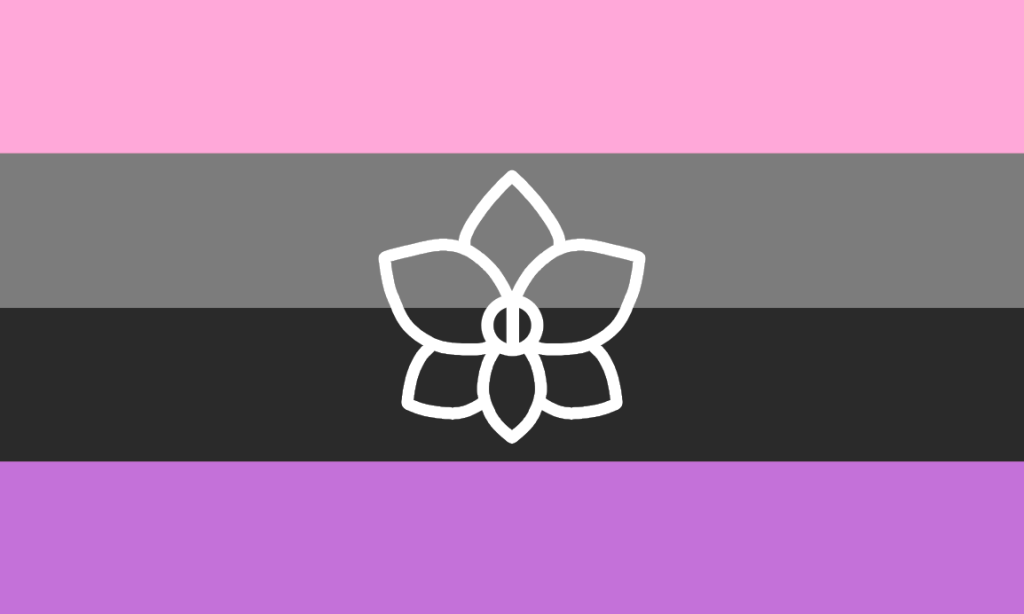
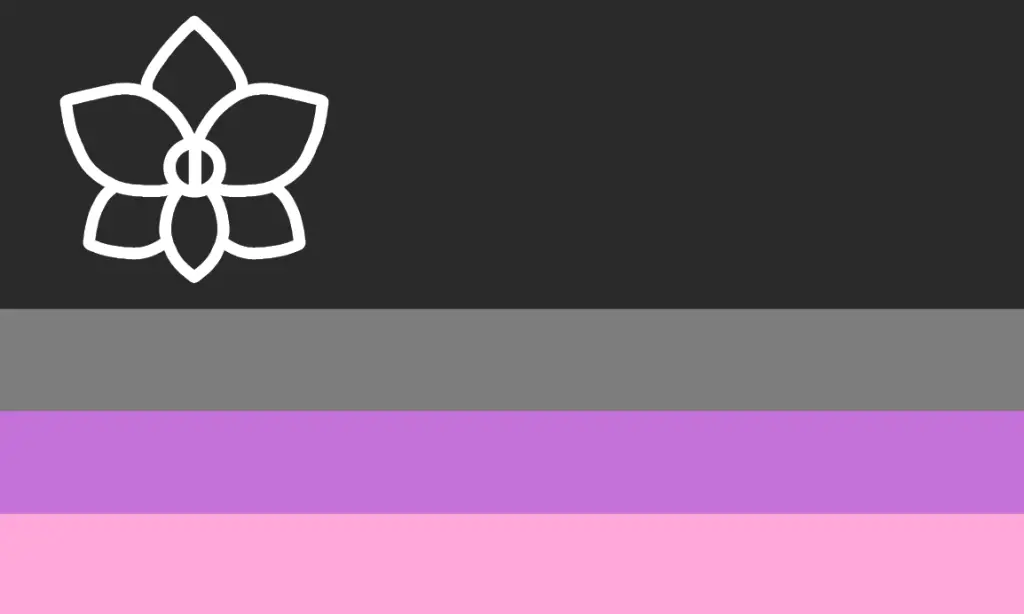
Along with the term, Ringotheman created two flag designs featuring pink (representing attraction), gray (representing the as**ual spectrum), purple (representing s**ual relationships), and black (representing the lack of desire or unwanting). A simplified orchid outline graces both flags, acknowledging the term’s floral etymology.
The orchid flower itself was chosen deliberately, as it’s traditionally used to symbolize love, s**, and fertility, creating an interesting juxtaposition with what the term actually describes.
What orchids**ual actually means
According to the LGBTQIA+ Wiki, orchids**ual describes individuals who experience attraction but don’t desire to act on it or pursue relationships.
It’s positioned as a microlabel on the as**ual spectrum where someone might find others attractive yet lack the desire to engage in s**ual experiences – or actively dislike the idea of them.
“Orchids**ual is when an individual feels s**ual attraction, but does not desire a s**ual relationship,” explains the definition that’s been circulated across various LGBTQIA+ resources. “Someone who identifies with this may consider people attractive, but lacks the want to have or dislikes having s**ual experiences.”
The term is described as the opposite of cupios**ual, people who don’t experience s**ual attraction but still desire s**ual relationships. It also has a romantic counterpart: orchidromantic, for those who experience romantic attraction without desiring romantic relationships.
One community member on the S**uality Wiki forums shared their experience: “I can fantasize about or desire someone but I would never act on it or actually be willing to have s** UNLESS I felt a strong emotional bond with them,” demonstrating how orchids**ual can overlap with other identities like demis**ual.
The ‘contradiction’ at the heart of the label
Here’s where things get complicated, and where the as**ual community finds itself in an ongoing debate: If someone experiences s**ual attraction, can they really be on the as**ual spectrum?
“By definition, you experience s**ual attraction but have no desire to act on that attraction, whereas as**uality means experiencing little to no s**ual attraction, so on that level there is very little overlap between these labels,” one moderator explained on the As**ual-Society Tumblr blog.
The controversy centers on a fundamental question: Is orchids**uality really an orientation, or is it simply describing someone who’s allos**ual (experiences s**ual attraction) but chooses celibacy? This debate has created real tension within as**ual spaces.
“Other people seem to disagree with this and think that the identity is just being voluntarily celibate, making them not a part of the community,” wrote one person questioning whether they fit under the ace umbrella. “This is a slightly controversial topic I think.”
The LGBTQIA+ Wiki itself acknowledges this tension: “It is debated whether or not orchids**uality should be considered under the as**ual umbrella, or if it is technically better categorized as an allos**ual microlabel.”
The key distinction that orchids**ual advocates make is that their lack of desire isn’t an active choice based on external factors like religious beliefs, safety concerns, trauma, or body image issues. Instead, they argue it’s an intrinsic part of their s**uality, they inherently don’t want to act on attraction they may feel.
“For orchids**ual individuals, the lack of s**ual desire is not an active decision nor is it due to a specific reason, but is instead an intrinsic part of their s**uality,” the wiki clarifies.
However, many in the as**ual community remain skeptical. The phrase ‘attraction not action’ has long been a cornerstone of as**ual identity – the idea being that as**uality is defined by lack of s**ual attraction, not whether someone has s**. Orchids**ual seems to flip this on its head, defining an identity based on action (or lack thereof) rather than attraction.
The case for radical inclusion
Despite the definitional contradictions, many within the as**ual community advocate for welcoming orchids**ual individuals into ace spaces. The argument centers on shared experiences rather than strict adherence to definitions.
“Most people consider orchids**ual to be a label underneath the ace umbrella, and anyone who is orchids**ual is welcome to call themselves as**ual too, since functionally there is of course a significant overlap between the experiences of as**ual people and orchids**ual people,” explained one community moderator.
The As**ual-Society blog made an impassioned case for inclusion: “I think orchids**ual people suffer from our allonormative society just as much as any other as**ual person, and I don’t think it makes sense for you to be excluded from a community that you share so many experiences with.”
This perspective emphasizes that living in a s**-obsessed culture while having no desire for relationships, regardless of whether you experience attraction, creates common ground.
The challenges of navigating dating, explaining yourself to potential partners, and resisting societal pressure to be s**ual are experiences that orchids**ual people share with as**uals.
“Functionally speaking there’s no real difference between an as**ual person who, through some level of active decision, never has s**, and anyone else who never has s**,” one blogger noted, suggesting that the rigid boundaries between identities may not serve the community well.
Community in the orchid spectrum
For those who identify with the label, orchids**ual has evolved into its own spectrum.
The ‘orchidspec’ umbrella now includes various combinations such as aro orchid (aromantic and orchids**ual), allo orchid (alloromantic and orchids**ual), ace orchid (as**ual and orchidromantic), and orchidrose (both orchids**ual and orchidromantic).
The spectrum also welcomes related identities like aegos**ual (feeling attraction but disconnected from yourself), liths**ual (experiencing attraction but not wanting it reciprocated), and fictos**ual (exclusive attraction to fictional characters).
One young person on the forums shared their appreciation for finding the label: “As an orchids**ual demiromantic, this is obviously a problem for me,” they wrote about dealing with unwanted romantic attention at school. Having language to describe their experience made it easier to explain themselves to others.
As another community member put it: “Just like how drag performers and trans people are heavily overlapping circles of a venn diagram, that only very recently have been forcibly pried apart… Our position within the community isn’t based on oppression, we don’t need to have struggled the same way to share a label, but sometimes we don’t share a label and experience the same things anyway.”
Related Article: Reason So Many Straight Men Cheat On Their Wives With Other Men
Related Article: Conjoined Twins With Totally Different S**ualities Answer The Questions Everyone’s Always Wanted To Ask
Want more stuff like this?
Get the best viral stories straight into your inbox!
