
Credit: OpenAI
Young People List Names That Are The New ‘Karen’
Young people have come up with a list of names that are the new ‘Karen,’ and people aren’t happy.
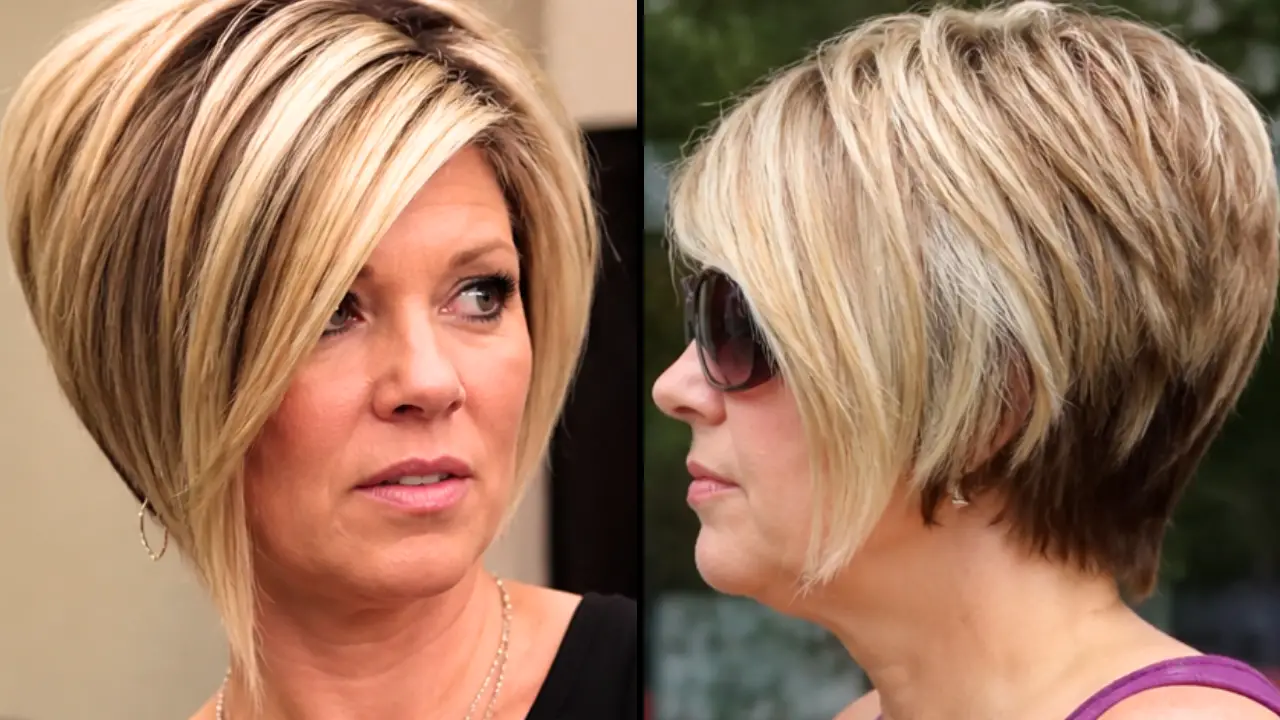
For years, the name ‘Karen’ has been widely used online as shorthand for a very specific type of behavior — someone seen as entitled, confrontational, or quick to demand to ‘speak to the manager.’
The nickname surged in popularity around 2020, quickly becoming a viral meme across social media, TV, and everyday conversation.
While often used humorously, it has also drawn criticism, with many arguing it unfairly stereotypes real people based purely on their name.
The impact has been significant. The name ‘Karen,’ once incredibly popular among Gen X women, has seen a sharp decline in use for newborns. What was once a common and neutral name has, for many, become something to avoid entirely.
But while the label itself may be fading, the personality it represents hasn’t disappeared — and now, a younger generation is stepping in to redefine it.
Gen Z takes control of the narrative
Rather than continuing to use a label coined largely by millennials, Gen Z users on platforms like TikTok have started creating their own version of the ‘Karen’ stereotype.
The shift began as a joke but quickly gained traction, with viral videos sparking debate about what name best represents the modern equivalent. In one clip that gained tens of thousands of likes, a creator explained the thinking behind it.
“Millennials, they are out here trying to decide what’s our generation’s name equivalent for a Karen,” she said. “We will pick our own Karen.”
She added: “We know exactly who the a-holes of our generation are.”
The comments quickly filled with suggestions, disagreements, and strong opinions — proving that while the name may be changing, the stereotype itself is still widely recognized.
Part of the reason behind the shift is generational identity. Just as ‘karen’ became associated with older women, many Gen Z users feel it no longer reflects the people they encounter in their own age group.
There’s also a cultural pattern at play. Names that become shorthand for stereotypes are often ones that were extremely popular in a specific era — meaning they feel familiar, but are no longer tied to younger generations.
For example, ‘Karen’ was a top name in the 1960s and 1970s. In the same way, many of the names now being suggested were hugely popular in the 1980s and 1990s.
The evolution also reflects how humor and criticism spread online. What starts as a meme can quickly become part of everyday language, especially when it resonates with shared experiences — like dealing with someone perceived as entitled or difficult.
However, the trend hasn’t come without backlash. Critics argue that turning real names into insults is unfair and unnecessary, while others say no new name will ever fully replace the cultural impact of ‘Karen’.

The name leading the debate
As the conversation has grown, one name has repeatedly emerged as the frontrunner: ‘Jessica.’
Across TikTok and social media, ‘Jessica’ is increasingly being used in a similar way to ‘Karen,’ with phrases like ‘not today, Jessica’ and ‘thanks, Jessica’ appearing in viral videos and comedic sketches.
Many users seem convinced the name fits the stereotype perfectly.
“I’ve never met a pleasant Jessica,” one person claimed.
Another wrote: “Ashley and Jessica. Been traumatised by both.”
And a third added: “Ashley and Jessica. Haven’t met one that doesn’t fit as a Karen.”
But as expected, not everyone is happy with the label — especially those who actually have the name.
“PLEASE!! I’m a good person,” one Jessica responded, capturing the frustration felt by many caught up in the trend.
Despite the pushback, the association continues to spread, with more and more content creators adopting the name in their posts.
The full list of potential new ‘Karens’
While ‘Jessica’ may be leading the debate, it’s far from the only name being suggested.
In fact, the viral discussion has produced a wider list of contenders, reflecting just how divided opinion remains. One TikTok creator, whose video helped fuel the trend, explained that multiple names kept appearing again and again in the comments.
She suggested potential names should be Ashley, Brittany, Heather, Amber, Tiffany, Jessica, Nicole, Becky or Kelsey.
Each of these names follows a similar pattern — widely used in previous decades and now culturally tied to a particular age group, making them easy shorthand for a recognizable personality type.
Some users have backed multiple names, while others argue that no single replacement fully captures the same meaning as ‘Karen’.
Ultimately, the debate over the ‘new Karen’ says as much about internet culture as it does about names.
It highlights how quickly language evolves online, how generational identity shapes humor, and how shared stereotypes can spread through social media at lightning speed.
But it also raises questions about fairness. While some see the trend as harmless fun, others argue it crosses a line by turning ordinary names into punchlines.
For now, though, the conversation shows no signs of slowing down.
Whether ‘Jessica’ becomes the definitive replacement or just another passing trend, one thing is clear — Gen Z is determined to put its own stamp on the language of the internet.
And just like ‘Karen’ before it, the next name may end up sticking far longer than anyone expects.
Related Article: ‘Free Bleeding’ Trend Is Taking Over Gen Z But Experts Issue Warning
Related Article: Name For America’s Male ‘Karen’ Has Been Decided And People Aren’t Happy
Want more stuff like this?
Get the best viral stories straight into your inbox!
