

Credit: Alamy & Brad Sigmon legal team
Death Row Inmate Chose Most Excruciating Execution Method That’s ‘Banned’ In Nearly All US States
A death row inmate made the unusual decision to be executed in one of the most ‘horrifying’ methods.
When 67-year-old death row inmate Brad Sigmon walked into South Carolina’s execution chamber on March 7, 2025, he’d made a chilling choice: he’d voluntarily picked one of the most violent methods of state-sanctioned killing still technically legal in America.
It’s a choice almost no condemned prisoner has made in decades – not just because of how graphic it is, but because most states have banned or stopped using it entirely.
Sigmon’s decision and the grisly reality of his death are reigniting one of America’s most heated debates.
Death penalty debate
In an era when several US states have abolished capital punishment altogether, the broader ethics of the death penalty remain a fierce national argument.
Supporters argue state execution delivers justice for the worst crimes and closure for victims’ families.
Opponents call it barbaric, arbitrary, and prone to error – especially when states struggle to acquire drugs for lethal injections and turn to older methods instead.
Critics liken any execution method to state-sponsored violence that degrades society, while proponents counter that those convicted of heinous murders deserve the harshest penalties allowed by law.
The standard methods
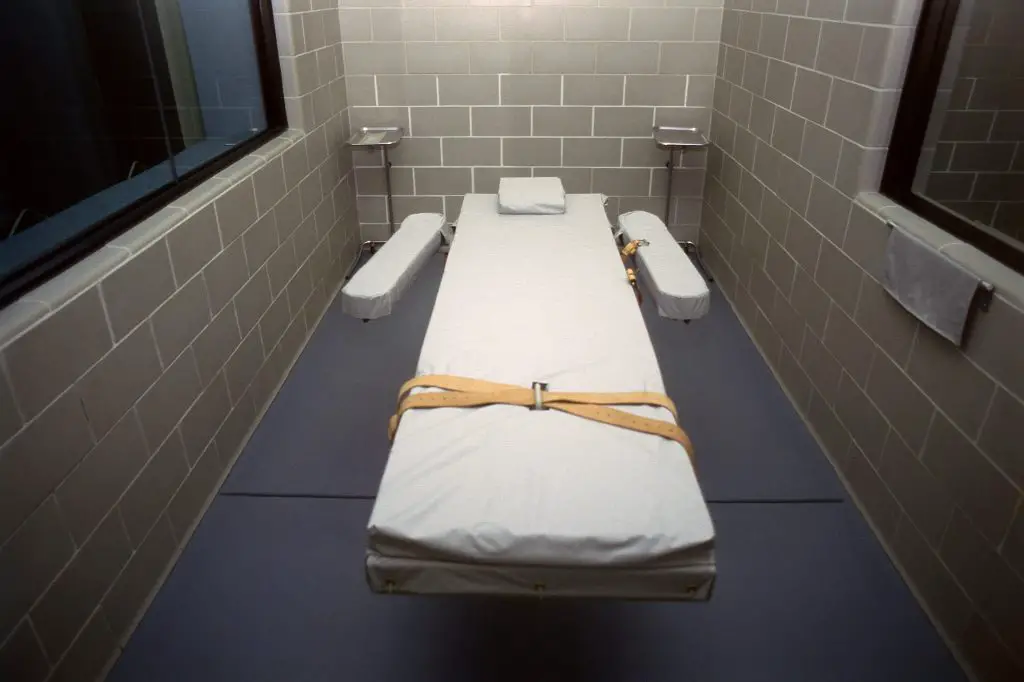
For decades, lethal injection has been the default method of execution in the US because it has been seen as more ‘humane’ than older, more graphic practices.
In many states, it’s the only permitted form of execution.
However, pharmaceutical companies have increasingly refused to supply drugs for lethal injections, citing ethical concerns about their use in death sentences.
That shortage has forced some states to revive or authorize alternative methods purely out of necessity.
These methods have been adopted as backups in places like South Carolina – not because lawmakers prefer them, but because they’ve run out of lethal injection drugs.
Yet those options remain controversial.
Many Americans, even those who support the death penalty, recoil when confronted with methods that look and feel violent.
That visceral reaction is part of what makes Sigmon’s decision so shocking to the broader public.
Who was Brad Sigmon?
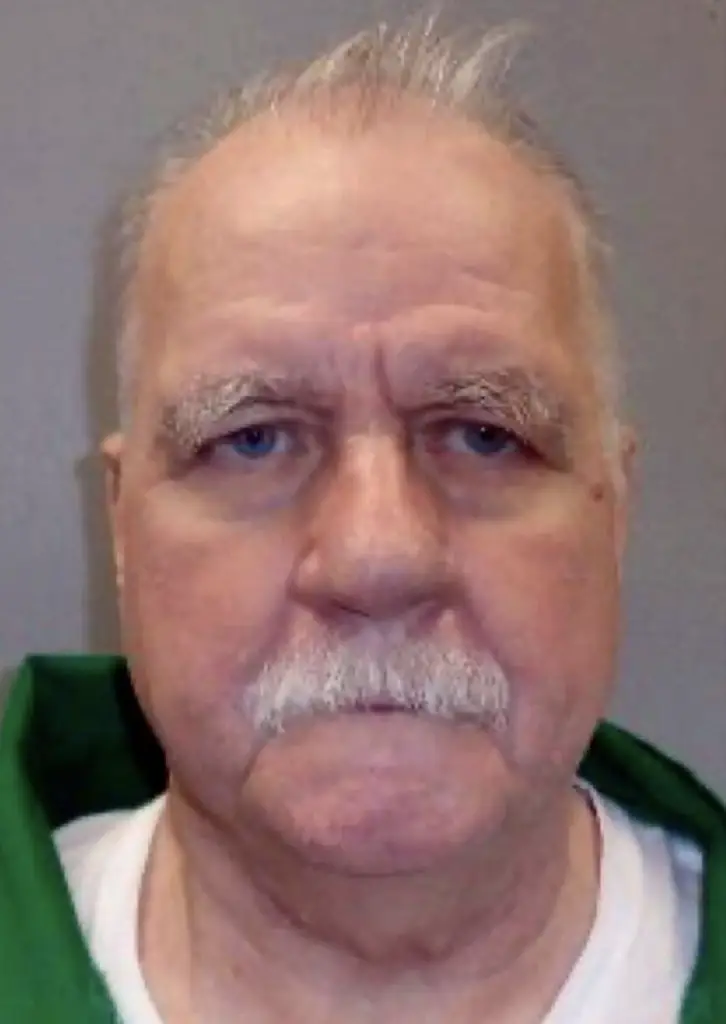
Brad Keith Sigmon was a South Carolina man whose life was marked by violence and tragedy.
Born in 1957, he spent more than two decades on death row after being convicted in 2002 for one of the most brutal crimes imaginable.
According to court records, on April 27, 2001, Sigmon bludgeoned David and Gladys Larke, the parents of his ex-girlfriend, to death with a baseball bat in their Greenville County home.
He then kidnapped the woman he had been obsessed with, forcing her into his car at gunpoint – though she managed to escape during the ordeal.
A jury convicted him of two counts of murder, first-degree burglary, and related charges, sentencing him to death.
For years his appeals and legal efforts to stay the execution focused on his mental health and mitigating factors, but ultimately the courts upheld the sentence.
Controversial method Sigmon chose
Only after exhausting his appeals did Sigmon face the grim choice of how he would die.
South Carolina law allowed him to choose between three methods: lethal injection, the electric chair, or firing squad.
Rather than accept lethal injection – which he feared could lead to a drawn-out, agonizing death – or the electric chair – which he likened to being ‘burned alive’ -Sigmon opted for a firing squad.
It’s a choice so rare that his execution was the first firing squad killing in the US in 15 years, and only the fourth since the death penalty was reinstated in 1976.
Three corrections officers stood about 15 feet away with rifles.
Sigmon was strapped to a chair, hooded, and fitted with a target over his chest.
At 6.05 p.m., they fired, and he was pronounced dead three minutes later.
After witnessing the execution, one of Sigmon’s attorneys, Gerald ‘Bo’ King, described the death as ‘horrifying and violent,’ as per CNN.
Why it’s rare and where it’s still legal
Despite its dramatic nature, execution by firing squad is legal in a handful of US states – though in most it has been abandoned or banned.
According to Newsweek, only five states explicitly allow firing squad executions: South Carolina, Idaho, Mississippi, Oklahoma, and Utah.
In all of them, firing squads are not the primary method – they’re alternatives, typically invoked only if lethal injection drugs are unavailable or if the inmate elects the option.
Utah’s last firing squad execution was in 2010, and other states revived the option mainly due to drug shortages and legal challenges to lethal injections.
Many states have banned the practice outright or removed it from their statutes, viewing it as too violent or antiquated.
In the rest of the country where the death penalty still exists, lethal injection remains the norm – if it can be carried out at all.
Related Article: Chilling Reason Death Row Inmate Chose A Single Olive For His Final Meal
Related Article: Death Row Inmate Suffered ‘Excruciating’ Execution After Making Last Meal ‘Mistake’
Want more stuff like this?
Get the best viral stories straight into your inbox!
