
Credit: Alamy & Adobe Stock
Expert Reveals The Only Two Places You Would Be Safe In A Nuclear War
An expert has revealed the only two places that would keep you safe during a nuclear war.
As global tensions continue to rise concerns over the potential for nuclear conflict have intensified.
The concerns are not hypothetical – escalating conflict, like the Greenland situation, has sparked fears that a broader war involving nuclear-armed countries could be imminent.
And according to investigative journalist Annie Jacobsen, there are only two places on Earth that might offer safety and sustainability in the aftermath of a nuclear war.
WW3 fears
Recent polling and expert analysis suggest that fears of a third world war are no longer fringe concerns but increasingly mainstream across Europe and the United States.
A YouGov survey published in May 2025 found that between 41% and 55% of people in major Western European countries believe another world war is likely within the next five to ten years, a view shared by 45% of Americans.
Most respondents also expect any such conflict to involve nuclear weapons, with 68–76% anticipating nuclear use, and a majority believing casualties would exceed those of the previous world wars.
Despite this anxiety, Europeans show limited confidence in their ability to defend themselves.
Only 16% of Italians and 44% of French respondents believe their militaries could effectively protect their countries in a third world war, compared with 71% of Americans who trust their armed forces.

Russia is widely seen as the principal threat, viewed as a danger to European peace by 72–82% of Western Europeans, but tensions with the United States are also increasingly feared, particularly amid aggressive rhetoric under Donald Trump.
What would happen in nuclear war?
The consequences of nuclear conflict are starkly outlined by the International Campaign to Abolish Nuclear Weapons (ICAN), which warns that nuclear arms are ‘the most destructive, inhumane and indiscriminate weapons ever created.’
ICAN notes that ‘a single nuclear bomb detonated over a large city could kill millions of people,’ while the use of even a small fraction of global arsenals could disrupt the climate and trigger mass starvation.
Physicians estimate that 2.4 million people worldwide will die from cancers linked to past nuclear testing.
Experts argue that while not all major conflicts amount to world war, the risks are real.
Luigi Scazzieri of the Centre for European Reform explained: “The primary pathway to a World War Three scenario remains a direct Western clash with Russia,” particularly if NATO unity weakens or Western forces engage directly in Ukraine.
While global war is not inevitable, public fear, nuclear risk, and geopolitical instability underline how fragile the current international order has become.
According to that research, a full-scale nuclear exchange could result in five billion deaths due to agricultural collapse and mass starvation.
Nuclear winter, a term popularized in 1983 by scientist Carl Sagan, refers to the dramatic global cooling that would result from widespread fires caused by nuclear explosions.
The smoke would rise into the stratosphere, where it could linger for years, blocking sunlight and dropping temperatures drastically, by as much as 40°F in the US, Jacobsen noted.
Where would you be safe from nuclear war?
Speaking on The Diary of a CEO podcast, Jacobsen explained that Southern Hemisphere nations would be among the few regions capable of supporting agriculture following a nuclear catastrophe.
“Places like Iowa and Ukraine would be just snow for 10 years. So agriculture would fail, and when agriculture fails, people just die,” she warned.
The combination of environmental collapse and radiation poisoning would make life uninhabitable across most of the Northern Hemisphere.
Jacobsen described a bleak scenario, explaining that due to the destruction of the ozone layer, ‘you can’t be outside in the sunlight.’
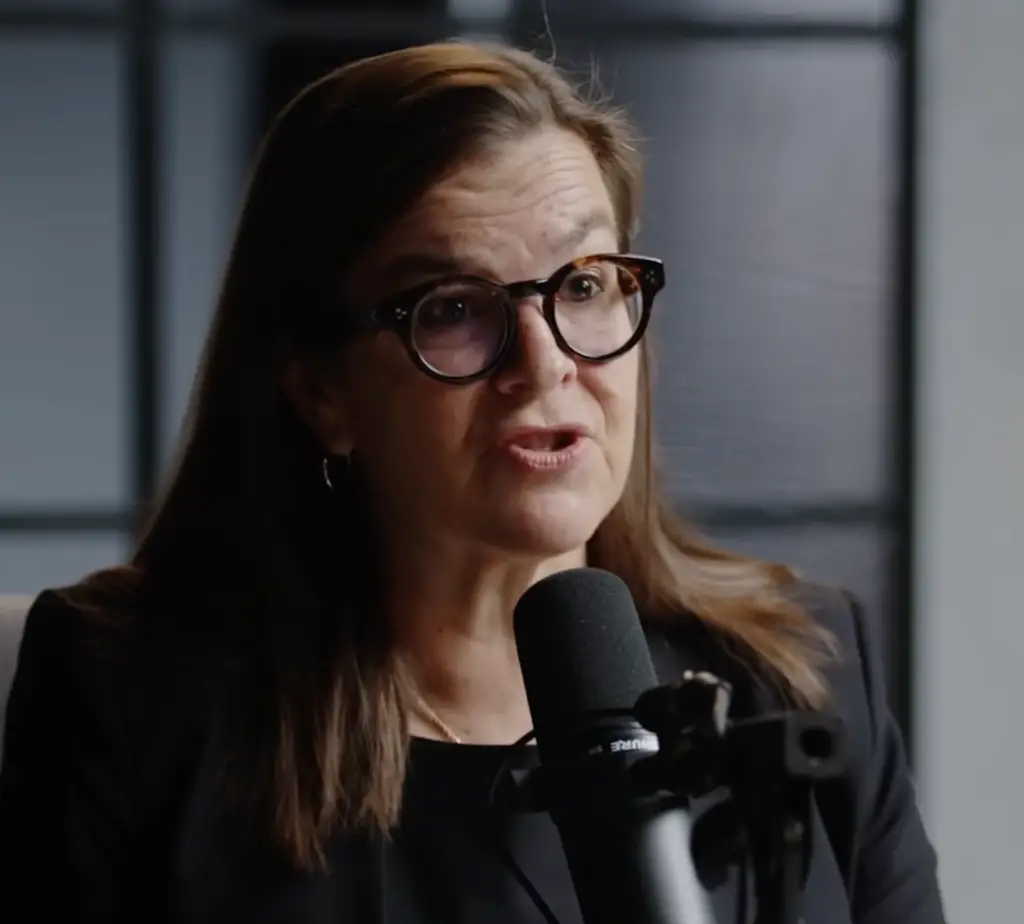
Jacobsen’s book, ‘Nuclear War: A Scenario,’ explores this possibility in detail.
“Hundreds of millions of people die in the fireballs, no question,” she said during her podcast appearance.
She also referenced a 2022 study by Professor Owen Toon, published in Nature Food, which updated the concept of nuclear winter, per MailOnline.
The surviving population would likely be ‘forced to live underground, fighting for food everywhere except for in New Zealand and Australia,’ she explained.
Podcast host Steven Bartlett reflected on a recent visit to Australia, saying: “So there’d be three billion people still alive. Where shall I go to be one of the three billion? I was just in New Zealand and Australia.”
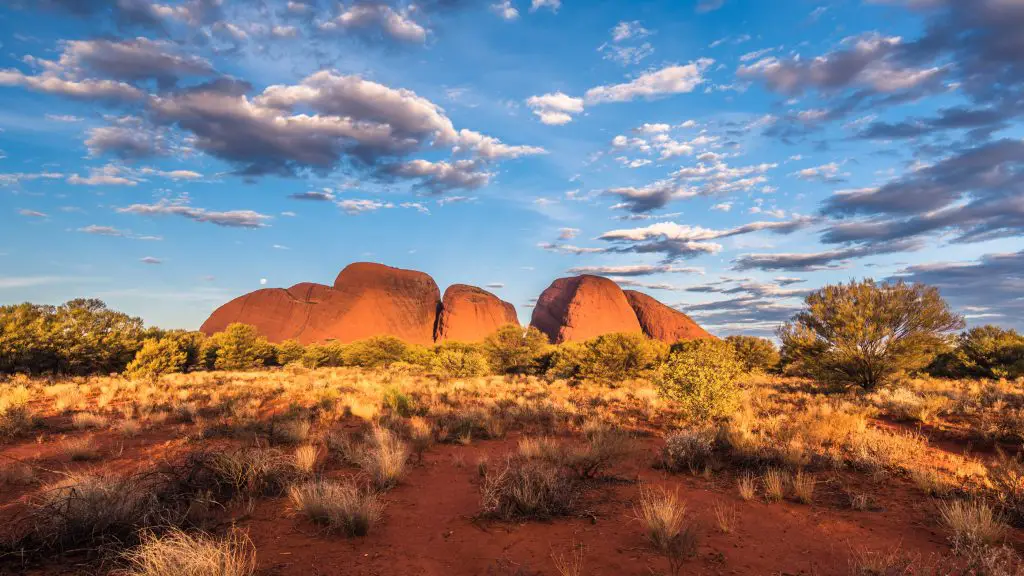
Jacobsen responded: “That’s exactly where you’d go. According to Toon, those are the only places that could actually sustain agriculture.”
Australia and New Zealand’s geographical isolation, distance from major nuclear powers, and protective oceanic currents position them as potential refuges from radioactive fallout.
For those unable to relocate, however, the renewed threat of nuclear conflict has sparked interest in fallout shelters across the US – structures that, while not blast-proof, can offer some protection from radiation.
To be effective, they must feature thick, protective walls, proper ventilation systems, and sufficient supplies to support survivors for extended periods.
Related Article: Every Citizen Who Would Be Drafted If The US Went to War
Related Article: Donald Trump Urged To Invade UK Next As Top Five Countries At Risk Of US Takeover Revealed
Want more stuff like this?
Get the best viral stories straight into your inbox!
