
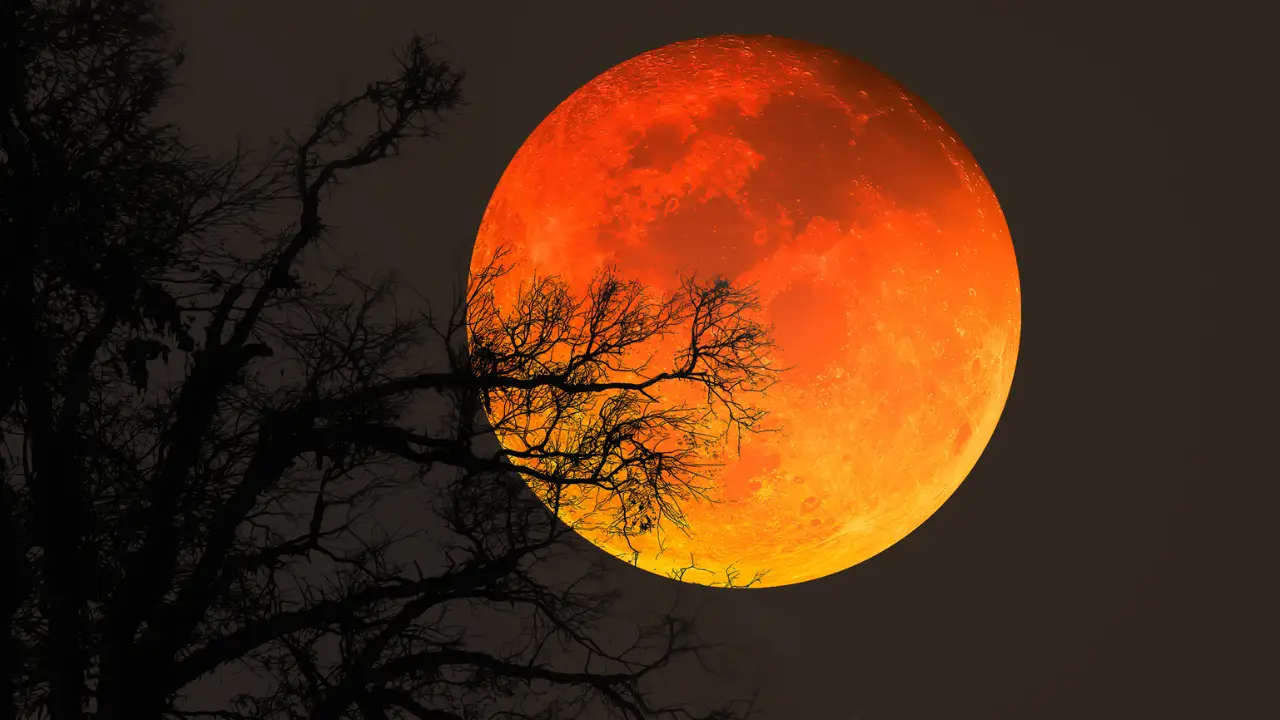
Credit: Adobe Stock
Here’s Where Tomorrow’s Rare Blood Moon Will Be Visible
Tomorrow, a rare ‘blood moon’ will dominate the sky, so here’s where and how to see it.
Space enthusiasts and casual stargazers alike are preparing for a celestial masterpiece.
Tomorrow, the night sky will play host to a blood moon, a total lunar eclipse that transforms our planet’s satellite into a haunting shade of crimson.
While lunar eclipses occur roughly every six months, this particular event carries a heavy weight of urgency: according to Weather.com, this is the last total lunar eclipse that will be visible from the United States until 2029.
If you miss this one, you’ll be waiting nearly four years for the next opportunity to see the moon fully submerged in Earth’s shadow.
What is a blood moon, and why does it turn red?
A blood moon is a popular name for a total lunar eclipse, a phenomenon that occurs when the Earth moves directly between the sun and the moon, casting its shadow, the umbra, across the lunar surface.
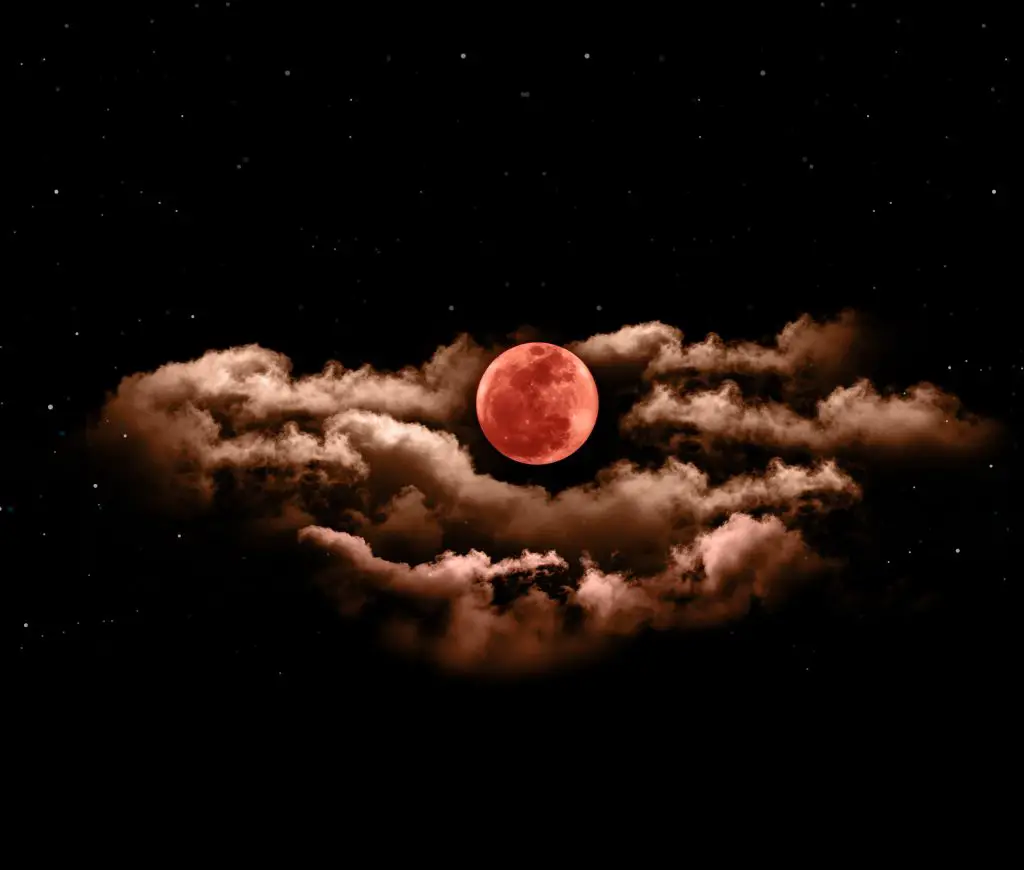
One might expect the moon to go completely pitch black as it enters Earth’s shadow, but instead, it glows with a deep, rusty orange or blood-red hue due to the Earth’s atmosphere.
As sunlight passes through our atmosphere, the shorter blue wavelengths of light are scattered away, while the longer red wavelengths are refracted inward toward the moon.
Essentially, a Blood Moon is lit by the glow of every sunrise and sunset happening on Earth at that exact moment; if you were standing on the moon during the eclipse, you would see a bright red ring around a black Earth.
A rare opportunity
While partial and penumbral eclipses occur more frequently, the ‘total’ phase, where the moon is completely swallowed by the dark red shadow, is more elusive.
Tomorrow’s event is particularly significant for North Americans because, after the final shadows recede tomorrow morning, the US will enter a ‘lunar eclipse drought.’
While the world saw a total lunar eclipse as recently as September 2025, the celestial mechanics are shifting, and the next total lunar eclipse won’t grace the skies of the United States until June 26, 2029.
This four-year gap makes tomorrow a ‘must-see’ event for anyone with even a passing interest in the cosmos.
When to set your alarm
Timing is everything when it comes to eclipse watching, and unlike a solar eclipse which lasts only minutes, a lunar eclipse is a slow, majestic burn that unfolds over several hours.
You need to know when ‘totality’ (the period when the moon is fully red) begins, which may require an early wake-up call or staying up very late, depending on your time zone.
For most of the Western Hemisphere, the eclipse will occur in the early morning hours of tomorrow, beginning when the first ‘bite’ is taken out of the moon.
This is followed by the moment the moon is fully inside the Earth’s umbra to turn red, reaching the deepest point of the eclipse before finally emerging to return to its normal pearly white.
Where will tomorrow’s blood moon be visible?
The path of a lunar eclipse is much wider than a solar one, meaning if you can see the moon, you can see the eclipse.
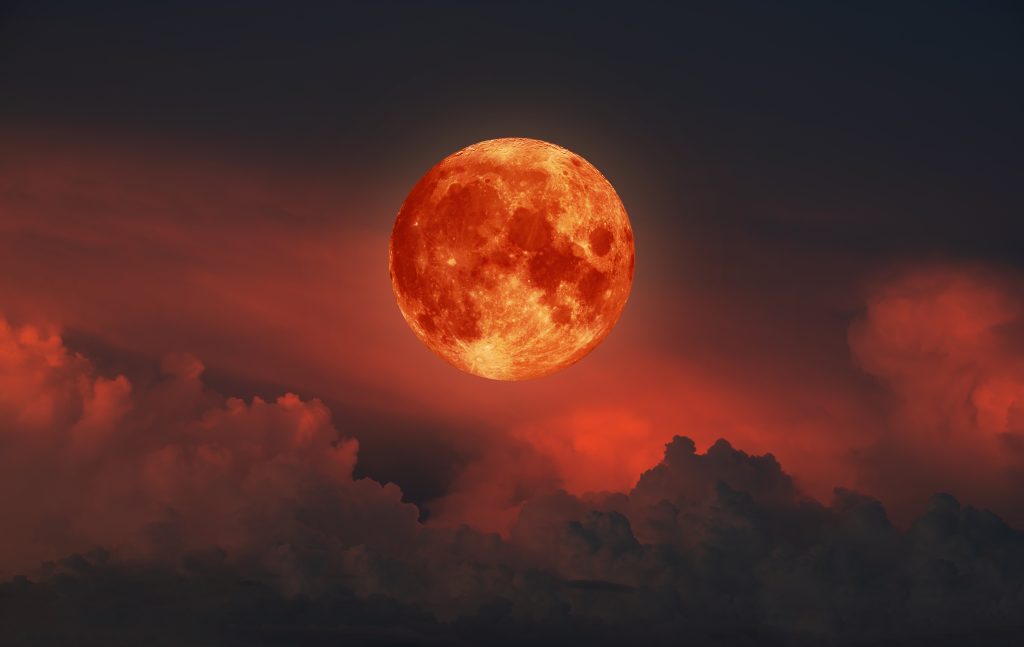
Tomorrow’s event will be most visible for observers in North America, where most of the continent will have a front-row seat, though East Coast viewers may see the moon set while it is still in totality.
The Pacific and Hawaii will have the best view with the moon high in the sky during the peak, while observers in Eastern Asia and Australia will see the eclipse during moonrise on the following evening.
To get the best view, find an area with a clear horizon toward the west or northwest, away from tall buildings or dense tree lines, as the moon will be hanging lower in the sky as morning approaches.
Capturing the moment
If you want to move beyond a blurry white dot on your smartphone, NASA Science offers several tips for lunar photography to account for the moon becoming significantly dimmer during totality.
Because your camera has to work harder to see the moon, using a tripod is essential to avoid the blur caused by the long shutter speeds required in low light.
You should turn off your flash entirely, as it cannot reach the moon and will only illuminate local dust, and use a remote timer to avoid the vibration of physically pressing the button.
For smartphone users, try using Night Mode, locking the focus on the moon by holding your finger on the screen, and manually lowering the exposure slider so the moon doesn’t look like a blown-out white bulb.
Related Article: NASA Astronaut Reveals The Shocking Truth He Learned After Seeing Earth From Space
Related Article: Astronaut Who Spent 178 Days In Space Shares The Big ‘Lie’ He Realized After Seeing Earth
Want more stuff like this?
Get the best viral stories straight into your inbox!
