
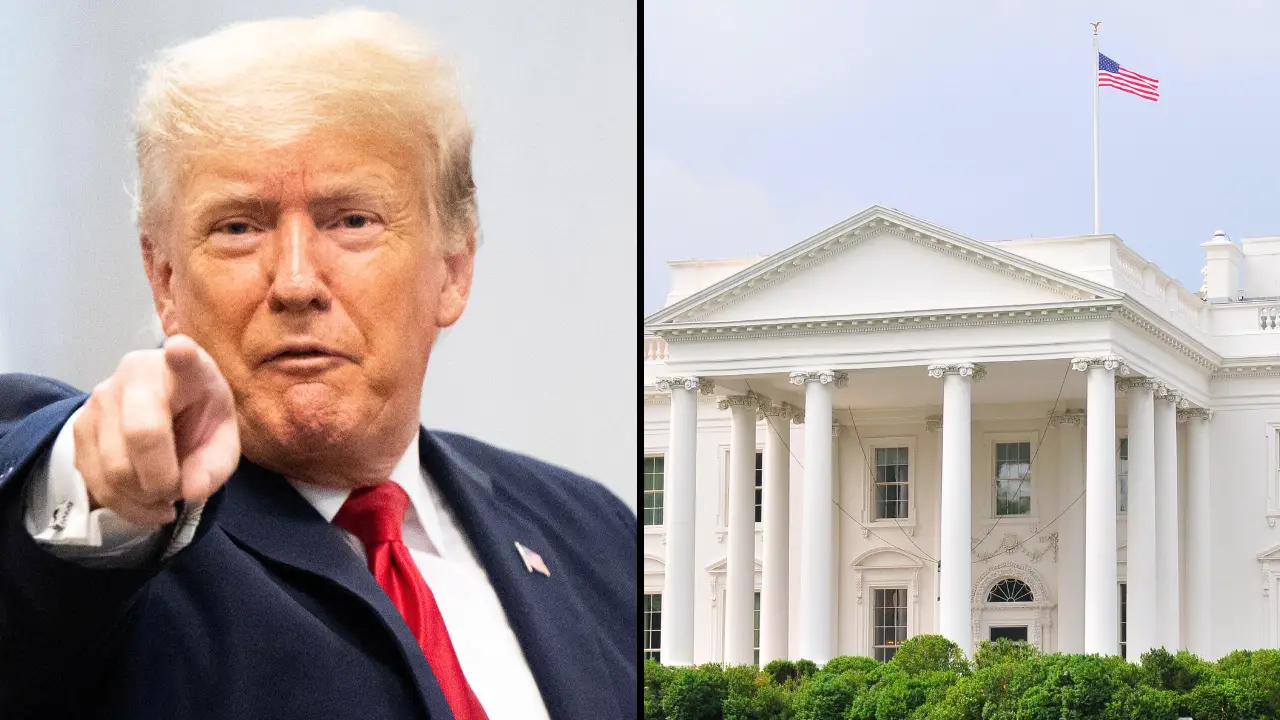
Credit: Alamy
U.S. Government Shutdown Is Tomorrow – Here’s What It Means
The U.S. government is set to shut down for the first time in seven years tomorrow, and here’s what it means.
The federal government is on the verge of shutting down if Congress does not come to a particular decision by tomorrow (October 1).
Both republicans and democrats are dug in on their positions, increasing the chances of an imminent shutdown.
Despite leaders meeting with President Trump at the White House just yesterday (September 29) to search for a path forward, they walked away in the same position.
But what is the decision they simply can’t agree on, what is a government shutdown, and how long would it last?
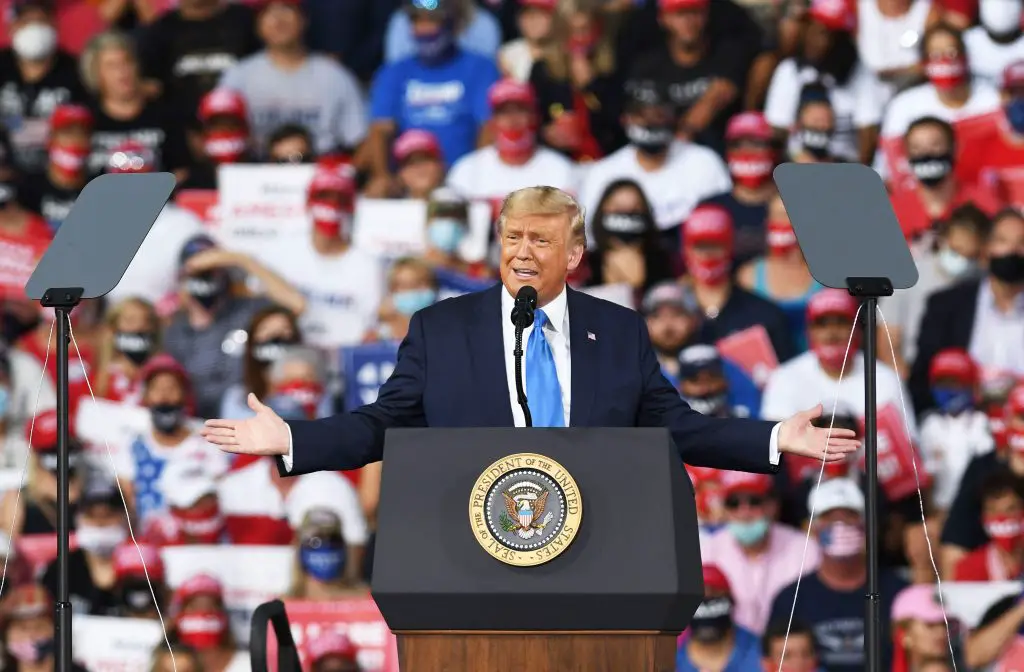
Here’s everything we know…
When would the shutdown happen?
If no deal is struck, at 00:01 EDT on Wednesday (05:01 BST), the U.S. will have its first shutdown in seven years.
The last time this happened was during Trump’s first term as president in 2018, and all sides of the debate are doing everything they can to ensure there isn’t a repeat.
But it seems little progress has actually been made.
What is a government shutdown?
A government shutdown happens when the U.S. government runs out of approved money to pay for its normal operations.
Congress has to pass laws that give the government permission to spend money.
If they can’t agree on a budget or temporary funding in time, many government offices and services stop or slow down.
Simply put: a shutdown will be the result of an inability of the two parties to come together and pass a bill funding government services into October and beyond.
What happens during a government shutdown, and who is affected?
In a shutdown, the federal government must stop all non-essential functions until funding is approved by Congress and signed into law.
However, there are three exceptions, which are defined by the Antideficiency Act.
They allow the government to fund operations to protect life and property, and keep officials involved in the constitutional process on the job, like the president, his staff and members of Congress.
Essential employees, such as military members, air traffic controllers, and and employees at federally funded hospitals, continue to work during the shutdown, but don’t get paid until funding is restored to their agency.
How common are shutdowns in the U.S.?
Over the last fifty years, they have become quite common.
In fact, during Trump’s first term alone, there were three shutdowns.
This included the longest in history at 36 days, which ended in January 2019.
Related Article: Experts Speak Out On Donald Trump’s ‘Link’ Between Tylenol And Autism
Related Article: Donald Trump Issues Three-Word Warning During National Address
Want more stuff like this?
Get the best viral stories straight into your inbox!
