
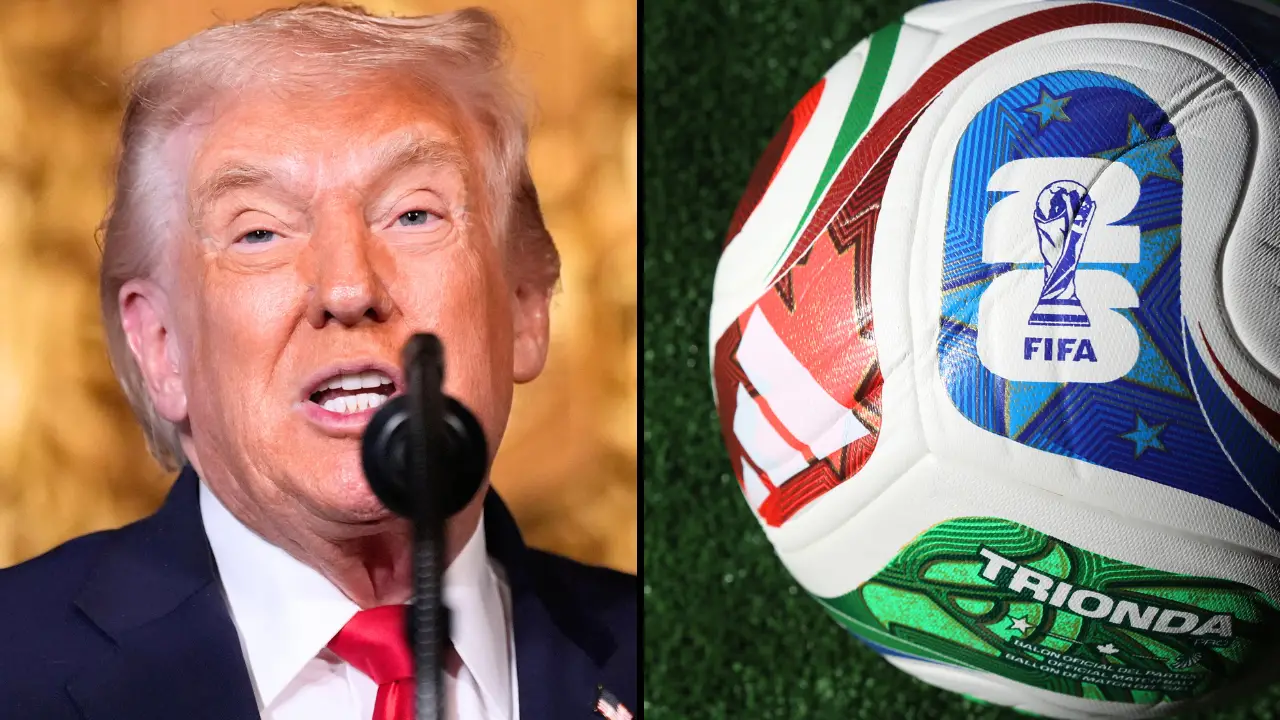
Credit: Alamy & Adobe Stock
15 Countries That Qualified For FIFA World Cup Are Banned From US
15 countries that qualified for the FIFA World Cup are banned from entering the US.
The 2026 FIFA World Cup is shaping up to be one of the biggest sporting events in history, with the United States, Canada, and Mexico jointly hosting the tournament for the first time.
With 48 teams set to compete and matches spread across North America, anticipation has been building among fans worldwide.
But what should be a celebration of global football has instead been clouded by controversy, after sweeping changes to U.S. immigration policy raised concerns about who will actually be able to attend.
In a move that has sparked international debate, the US government introduced travel restrictions affecting dozens of countries—some of which have already qualified for the tournament.
The decision has left supporters, officials, and organizers scrambling for clarity just weeks before kickoff.
The travel ban that sparked concern
The policy, introduced under the Trump administration, placed restrictions on nationals from a wide range of countries, citing national security concerns and immigration control.
In total, dozens of nations were impacted in different ways, with some facing full bans and others partial restrictions depending on visa type. The measures include limits on immigrant visas and, in some cases, nonimmigrant travel such as tourism.
The timing has raised eyebrows, with the World Cup set to begin in June 2026. With the US hosting the majority of matches, questions quickly emerged about how the restrictions would affect fans hoping to travel and support their teams.
Critics argue the move risks undermining the spirit of the World Cup, an event built on international unity and cultural exchange. Supporters of the policy, meanwhile, say it is part of broader efforts to strengthen border control.
Fans caught in the middle
The biggest concern centers not on the players, but on the fans, per the American Immigration Council.
While athletes, coaches, and essential personnel are generally exempt from travel restrictions for major sporting events, supporters from affected countries may face significant hurdles when trying to enter the United States.
Even where outright bans do not apply, additional requirements, delays, or uncertainty around visa approvals could make it far more difficult for fans to attend matches.
This has left many supporters questioning whether they will be able to witness their national teams compete on football’s biggest stage—especially those from countries with passionate fan bases and long World Cup histories.
The US State Department has attempted to reassure the public by clarifying that some restrictions apply specifically to immigrant visas, meaning short-term travel for tourism may still be possible.
However, confusion remains, particularly as policies differ depending on the country.
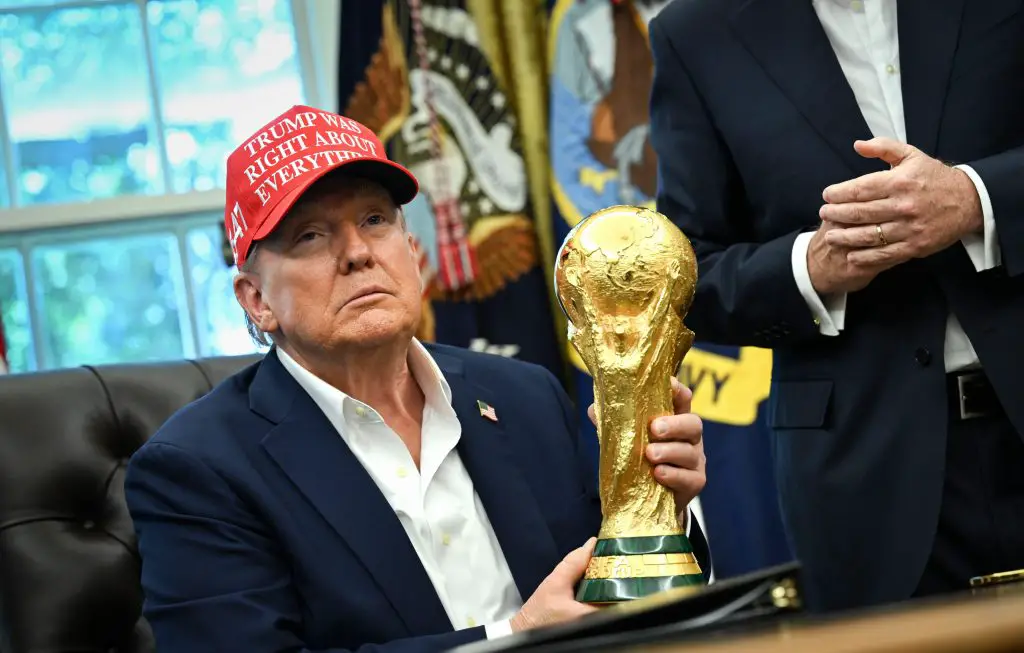
FIFA steps in with urgent measures
In response to growing concern, FIFA has acknowledged the situation and urged fans to act early when making travel plans, the BBC reports.
The organization has reminded ticket holders that purchasing a match ticket does not guarantee entry into a host country. Instead, fans must still meet all immigration requirements set by the respective governments of the US, Canada, and Mexico.
To ease pressure on the system, US officials have introduced a new initiative known as the FIFA Priority Appointment Scheduling System, or FIFA PASS.
Secretary of State Marco Rubio explained: “We’re going to do the same vetting as anybody else would get. The only difference here is we’re moving them up in the queue.”
The system is designed to fast-track visa applications for World Cup attendees, though details about how it will operate remain limited.
Behind the scenes, reports suggest FIFA officials are increasingly uneasy about the situation, with concerns that travel restrictions could impact attendance, atmosphere, and the tournament’s global image.
What this all means for the tournament
Amid the wider list of countries facing restrictions, 15 nations that have already qualified for the 2026 FIFA World Cup are among those affected, including Uzbekistan, Algeria, Brazil, Cape Verde, Colombia, Egypt, Ghana, Haiti, Iran, Ivory Coast, Jordan, Morocco, Senegal, Tunisia, and Uruguay.
Some of these countries—such as Brazil and Uruguay—are among the most successful and historically significant teams in World Cup history, while others represent emerging football nations with rapidly growing global followings.
Despite the controversy, the tournament itself is expected to proceed as planned. Players and official delegations will still be allowed to enter the U.S. under exemptions for major sporting events.
However, the absence—or reduced presence—of international fans could have a noticeable impact.
The World Cup is known not just for what happens on the pitch, but for the atmosphere in the stands, where fans from across the globe come together to celebrate their teams and cultures.
Any barriers to that experience risk changing the character of the tournament.
With 78 of the 104 matches scheduled to take place in the United States, ensuring smooth entry for supporters will be crucial to the event’s success.
For now, officials continue to stress that the situation is evolving, and fans from affected countries are being encouraged to apply for visas as early as possible.
Whether those efforts will be enough to avoid disruption remains to be seen—but as the countdown to kickoff continues, the intersection of sport and politics has rarely been more visible.
Related Article: One Rule Never Used Before Could See Donald Trump Removed As US President
Related Article: Trump’s Allies Demand He’s Removed As President Under Rule That’s Never Been Used Before
Want more stuff like this?
Get the best viral stories straight into your inbox!
