
Credit: Alamy & Adobe Stock
Iran Issues Chilling Threat To Americans As Tourist Spots ‘Will No Longer Be Safe’
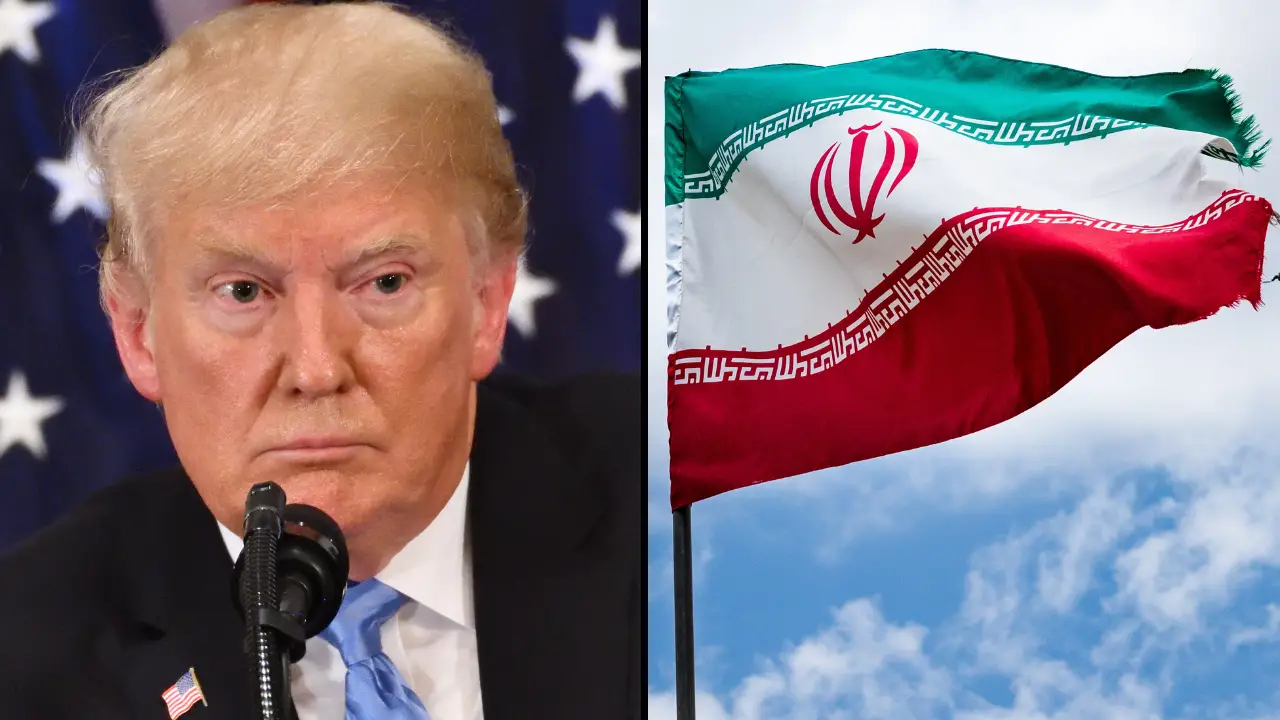
Iran has issued a chilling threat to the US, claiming that certain tourist spots will ‘no longer be safe.’
Just under a month ago, the Middle East was plunged into a conflict that has already claimed thousands of lives, rattled the global economy, and left millions of Americans anxiously watching the news.
On February 28, the United States and Israel launched coordinated strikes against Iran, targeting its nuclear capabilities, missile production facilities, and energy infrastructure.
What followed has been nearly four weeks of relentless back-and-forth bombardment, with no clear end in sight and a death toll that rights groups now estimate could be as high as 3,230 people as of March 21.
The human cost is staggering. At least 13 American service members have already lost their lives in the conflict, and gas prices across the United States have spiked sharply as Iran’s pressure on the Strait of Hormuz severely restricts global oil supplies.
The economic shockwaves are being felt far beyond the battlefield — food costs are rising, fuel prices are climbing, and anxiety is spreading well beyond the Middle East.
Trump’s peace claims meet Iranian denial
In recent days, President Donald Trump appeared to soften his tone, stepping back from earlier threats to ‘hit and obliterate’ power stations in Tehran and instead offering what he called ‘one more chance at peace.’
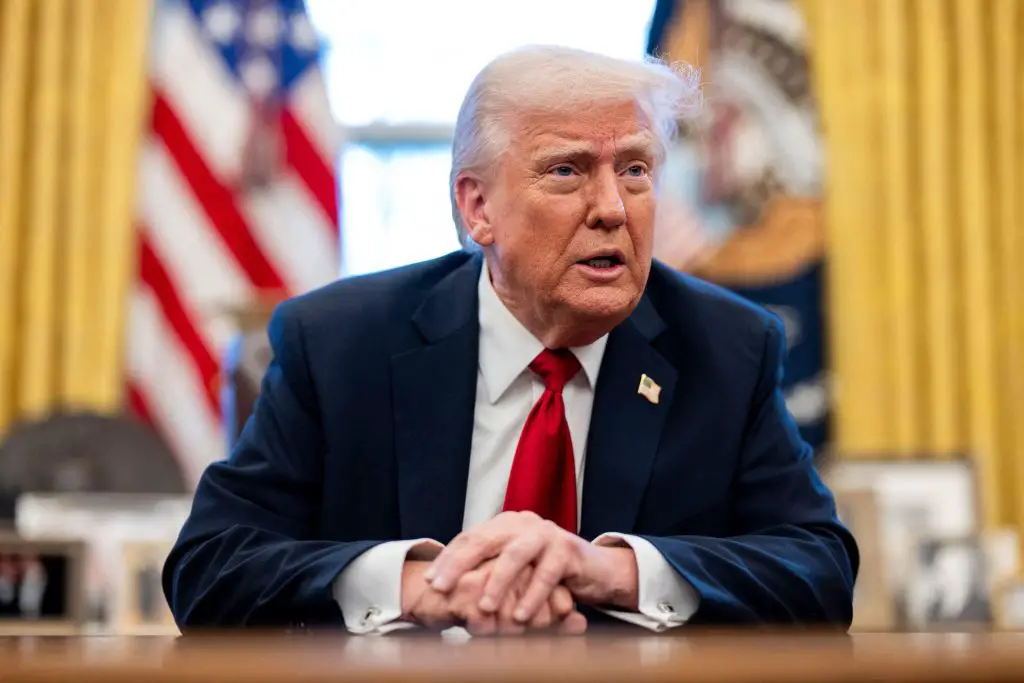
Speaking to reporters in Palm Beach, Florida, Trump declared that there had been ‘productive talks’ with Iranian officials, citing ‘major points of agreement’ and suggesting a deal could be struck within days.
“We’re giving it five days, and then we’re going to see where that takes us,” Trump said, adding that he believed it could ‘very well end up being a very good deal for everybody.’
Those comments were quickly and flatly rejected by Tehran. Iran’s foreign ministry spokesperson went further than simply disputing Trump’s characterization of the talks — the spokesperson claimed that no direct talks whatsoever had taken place between Iran and the Trump administration since the war began.
Iran’s state-run Fars News Agency was even more emphatic, with informed officials stating that until the United States completely withdrew from the region, evacuated its bases, paid compensation, and provided guarantees against future aggression, neither the war nor the closure of the Strait of Hormuz would end.
The indirect diplomatic channels that do exist, routed through Egypt, Pakistan, and Gulf states, appear fragile at best.
Vice President JD Vance is expected to join Middle East envoy Steve Witkoff and Jared Kushner for meetings with Iranian officials in Islamabad, though the White House has been careful to caution that nothing should be considered final until formally announced.
Bombs while talking peace
Whatever diplomatic activity may or may not be occurring behind the scenes, the fighting on the ground has shown no signs of slowing.
On the night of March 23, Israel launched a fresh assault on Tehran even as Trump was publicly speaking about a potential ceasefire window.
The Israeli Defense Forces stated that energy infrastructure would not be targeted in those particular strikes, but Iran’s Revolutionary Guard retaliated swiftly with its own attacks on Israeli territory.
Powerful explosions were reported in Jerusalem, and strikes were carried out on the cities of Dimona and Yeruham. Meanwhile, massive blasts shook Dubai as air defense systems intercepted incoming fire over a city where countless residents had been observing Eid al-Fitr, the celebration marking the end of Ramadan.
Iran has shown, repeatedly and deliberately, that its reach extends well beyond its own borders.
Strikes have hit energy infrastructure across Gulf Arab nations. NATO has pulled several hundred personnel from Iraq and repositioned them to Europe following a series of Iranian attacks on British, French, and Italian installations.
The alliance’s supreme commander, Gen. Alexus Grynkewich, confirmed the redeployment, underlining just how broadly this conflict has already spread.
Fear comes home to America
Back in the United States, the psychological toll is mounting alongside the economic one.
A recent YouGov poll revealed a deeply unsettled public: 36 percent of Americans surveyed expect another civil war to erupt within the country, while 25 percent believe the nation is already on a path toward dictatorship.
Thirty-one percent said they believe the United States will fail to exist as a democracy within their lifetime.
The FBI has already warned police forces in California that Iran could be planning a retaliatory domestic attack on American soil.
The Department of Homeland Security has been on red alert since the conflict began. With each passing week, the sense that the war could reach ordinary Americans in their daily lives has grown stronger.
Security analysts in the United Kingdom have warned that Iranian-linked individuals with ties to the Basij — the regime’s notorious paramilitary militia — may already be operating on Western soil.
Dr. Andreas Krieg of King’s College London described it as ‘plausible,’ noting that ‘periods of heightened confrontation create incentives for Tehran to demonstrate reach.’
His colleague Kasra Aarabi went further, calling on Prime Minister Keir Starmer to be transparent with British citizens about the direct threat Iran poses to domestic security.
The threat that has Spring Breakers on edge
This brings us to the warning that has sent a fresh chill through Western nations at the worst possible time.
On March 20, as spring break got underway across the United States and Easter holiday travel began ramping up in the United Kingdom, Iran’s chief military spokesman, Gen. Abolfazl Shekarchi, issued a stark and sweeping threat on state television, the New York Post reports.
Parks, recreational areas, and tourist destinations around the world, he declared, would no longer be safe for Tehran’s enemies, per the Sun.
He stopped short of naming specific locations, but the message was deliberately broad and deliberately timed.
Iran’s missile arsenal gives the threat genuine geographic teeth. The Shahab-3 has a range of 1,300 kilometers, the Daily Record reports.
The Khorramshahr can reach up to 3,000 kilometers. Shahed suicide drones extend that reach to 2,000 kilometers, putting Greece, Turkey, Cyprus, and other popular European vacation destinations well within range.
The UK’s National Cyber Security Centre had already warned British businesses earlier in March to prepare for attacks from Iran-linked hacktivists, and Western intelligence agencies have long harbored fears about sleeper cells that could be activated with devastating results.
For the millions of Americans and Britons currently on spring break, or planning Easter getaways in the coming weeks, the message from Tehran is as unsettling as it is clear: the conflict has no borders, and no corner of the world should be assumed safe.
Related Article: Shocking Poll Reveals How Many Americans Would Want Barron Trump As Future President
Related Article: If Donald Trump Dies While In Office, This Is The First Thing You Will Hear
Want more stuff like this?
Get the best viral stories straight into your inbox!
