
Credit: Adobe Stock
Nuclear Expert Reveals US Cities That Would Be First Targets If WW3 Breaks Out
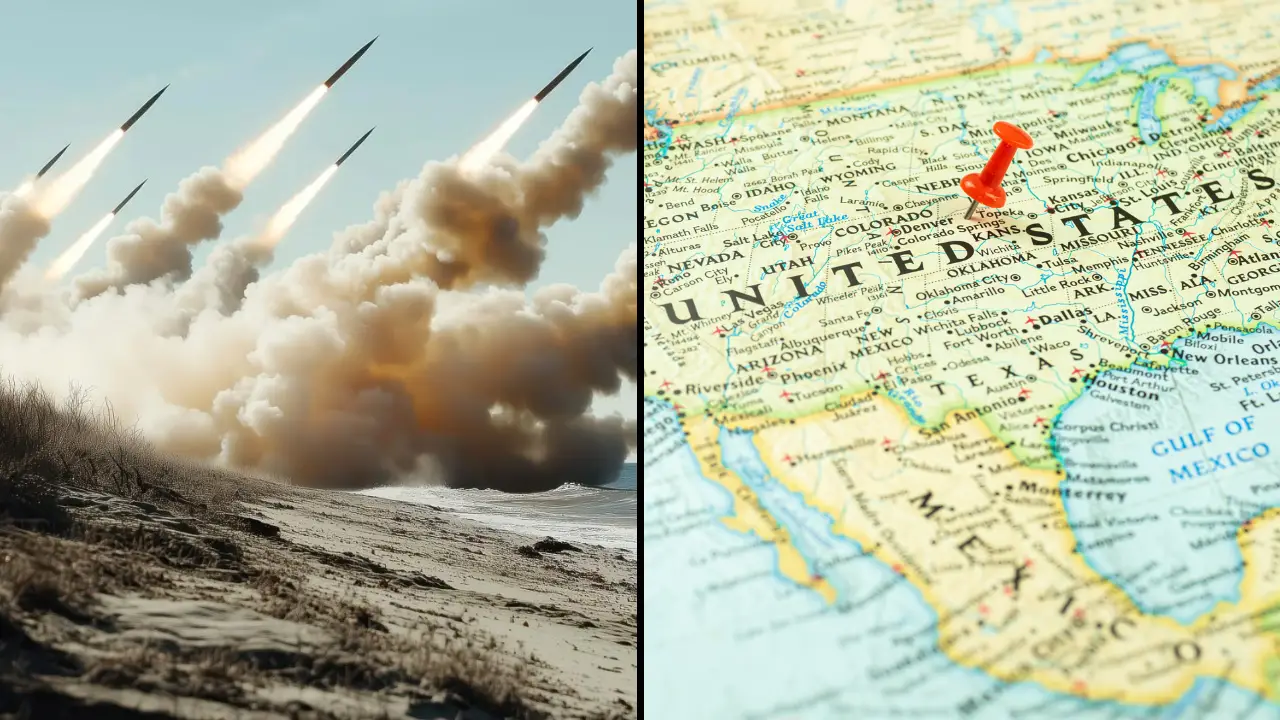
A nuclear expert has revealed the US cities that would be most at risk if WW3 breaks out.
The question keeping many Americans awake at night isn’t whether global tensions are rising: it’s whether they’re living in a potential strike zone without even realizing it.
As the situation intensifies, nuclear security experts are revisiting scenarios most people would prefer to ignore.
Professor Alex Wellerstein, a nuclear historian at Stevens Institute of Technology and creator of the widely-used NUKEMAP weapons effects simulator, recently outlined the American cities most vulnerable to attack if global conflict escalates.
While nuclear war remains highly unlikely due to its catastrophic consequences for all parties involved, the locations identified may surprise many Americans who’ve never considered their proximity to priority targets.
Donald Trump’s Greenland obsession
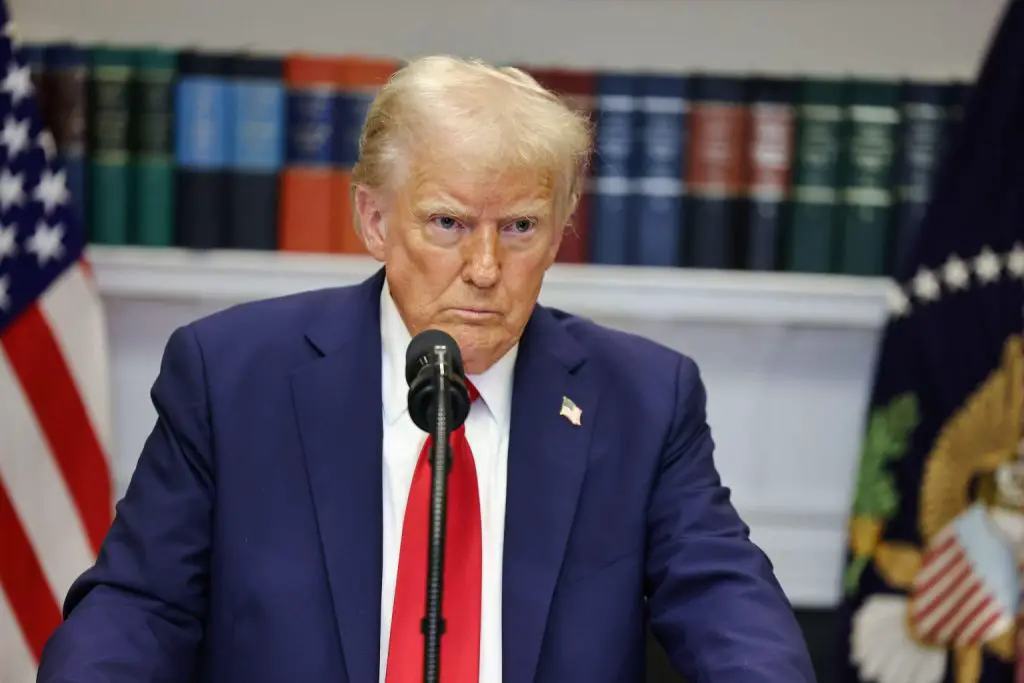
Recent weeks have seen an unprecedented surge in geopolitical anxiety, largely driven by President Donald Trump‘s aggressive rhetoric on multiple fronts.
His renewed interest in annexing Greenland, the autonomous Danish territory with strategic Arctic positioning, has sparked serious diplomatic friction with Denmark and other European allies.
Trump’s desire for Greenland isn’t merely symbolic – the island’s geographic location offers critical advantages for military positioning, rare earth minerals essential for modern technology, and control over increasingly accessible Arctic shipping routes as ice caps recede.
Denmark has firmly rejected any notion of ceding the territory, leading Trump to announce proposed tariffs on the UK and other European nations over the dispute.
These tensions arrive alongside Trump’s seizure of Venezuelan leader Nicolas Maduro and continuing threats about potential intervention in Iran, creating a volatile mix of international flashpoints.
Combined with Russia’s ongoing invasion of Ukraine and simmering conflicts in Syria, the confluence of crises has prompted serious discussions about conscription in several nations.
Who would face the draft?
Should conflict escalate to the point of requiring conscription, specific demographic groups would likely receive call-ups first.
Military experts suggest that individuals with prior service experience, those in reserve components, and young adults aged 18-26 would top the list.
Specialized skills in technology, medicine, and engineering could also make certain civilians priority recruits.
However, certain height requirements might exempt some individuals from service, as military standards typically require recruits to meet minimum and maximum height thresholds for equipment compatibility and operational effectiveness, and there are certain categories of people who are likely to remain safe.
Safer areas
Contrary to popular assumption, America’s largest cities aren’t necessarily the most dangerous locations in a nuclear scenario.
Remote rural areas far from military installations, major population centers, and critical infrastructure would offer the best chances of avoiding direct strikes.
The Pacific Northwest’s inland regions, parts of the Appalachian Mountains, and scattered rural communities across the Great Plains lacking nearby military facilities represent safer zones.
However, even these areas wouldn’t escape the broader consequences of nuclear conflict, including radioactive fallout, supply chain collapse, and long-term environmental catastrophe.
Most vulnerable locations
Wellerstein’s analysis for MailOnline reveals that approximately 22 million Americans live in the 15 cities facing the highest risk: a figure that balloons when considering surrounding metropolitan areas.
The targeting strategy depends heavily on the adversary’s objectives: Russia would likely prioritize disabling America’s retaliatory capabilities by striking command centers and ICBM sites first, while a rogue actor might focus on symbolic or densely populated areas.
The most counterintuitive findings involve smaller cities that few would consider high-value targets.
Great Falls, Montana, with just over 60,000 residents, ranks among America’s most vulnerable locations due to Malmstrom Air Force Base controlling 150 Minuteman III intercontinental ballistic missile silos spread across 13,800 square miles.
Similarly, Cheyenne, Wyoming, population 65,168, faces extreme risk from Francis E Warren Air Force Base’s nuclear missile command infrastructure.
These remote western communities essentially function as ‘nuclear sponges,’ designed to absorb strikes that might otherwise target major population centers, a strategic burden their residents may not fully comprehend.
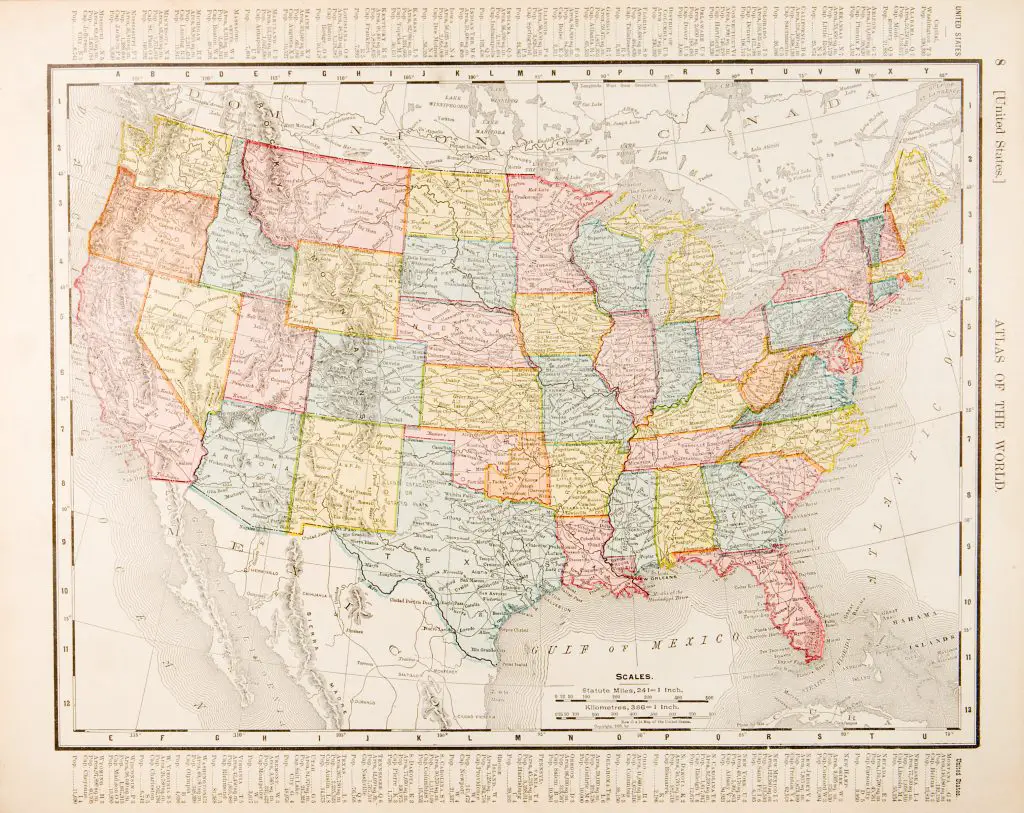
The complete vulnerability list includes Great Falls, Montana; Cheyenne, Wyoming; Ogden/Clearfield, Utah (near Hill Air Force Base); and Shreveport, Louisiana, located just six miles from B-52 bombers capable of delivering nuclear payloads.
Honolulu’s Pacific naval and air operations make it a prime target, while Omaha, Nebraska hosts Offutt Air Force Base, a former Cold War command hub.
Colorado Springs faces unique risks as home to NORAD headquarters, while Albuquerque sits near Kirtland Air Force Base and what experts believe is the world‘s largest nuclear weapons stockpile.
Washington, DC’s federal government infrastructure makes it an obvious target, as does Seattle’s Naval Base Kitsap.
Seattle presents additional challenges, surrounded by mountains and waterways, the city offers limited land-based evacuation routes that could trap residents during a crisis.
The nation’s major population and economic centers round out the list: San Francisco, Houston (America’s energy capital with 2.3 million residents), Chicago, Los Angeles, and New York City, whose 8.8 million inhabitants make it the country’s largest potential casualty zone.
Dr. Irwin Redlener, founding director of Columbia University’s National Center for Disaster Preparedness, told the International Business Times that these cities face elevated risks due to their combined economic, governmental, and symbolic importance. Targeting them would devastate not only lives but American morale and infrastructure.
Related Article: List Of 75 Countries That Have Been Banned From Entering The US
Related Article: Donald Trump Issues Bombshell Update On When Americans Will Receive $2,000 Payment He Promised
Want more stuff like this?
Get the best viral stories straight into your inbox!
