
Credit: Adobe Stock
Saying This Six-Word Phrase Could Land You In Jail For Two Years
A controversial new law could make saying a particular six-word phrase punishable by up to two years in jail.
Supporters of the proposed legislation insist the crackdown is necessary to combat extremism and stop hateful rhetoric from spreading further.
Critics, however, argue the move risks criminalizing political speech and setting a dangerous precedent around freedom of expression.
The debate has exploded across social media, with many people stunned that words alone could potentially result in prison time.
And while governments around the world have increasingly introduced tougher hate speech laws in recent years, this particular proposal has become especially divisive because of the phrase at the center of it.
Other controversial phrases have sparked backlash before
Arguments surrounding language are nothing new.
Over the last decade, countless words and phrases once considered completely ordinary have faced criticism after people learned more about their origins or historical context.
Terms like ‘blacklist,’ ‘grandfathered in,’ ‘spirit animal,’ and ‘sold down the river’ have all sparked debate because of links to racism, exclusion, or cultural appropriation.
Experts say many people often use controversial phrases without realizing the deeper meanings attached to them.
Linguist Ai Taniguchi previously explained that simply speaking English does not automatically mean someone understands the history behind every expression they use.
“Being an English speaker doesn’t entail that you necessarily know the racist etymology automatically,” she said.
At the same time, experts stress that intent and impact are not always the same thing.
“The fact that you said it doesn’t automatically make you a bad person,” Taniguchi added, while also noting that words can still hurt people regardless of whether offense was intended.
Others argue that language evolves constantly and that society has become far more aware of the ways phrases can affect marginalized groups.
But while debates about terminology are usually limited to social criticism or workplace policies, the latest controversy goes far beyond awkward conversations or internet backlash.
This time, prison sentences are involved.
New hate speech laws are dividing opinion
What began as a controversial proposal has now officially become law.
Queensland recently passed sweeping new hate speech reforms through parliament, making it the first Australian state to criminalize certain political slogans and extremist phrases, as per ABC News.
Under the legislation, people can face prison sentences for publicly displaying banned extremist symbols, harassing worshippers, vandalizing religious sites, or using outlawed chants in ways authorities believe could cause fear, intimidation, or offense.
The reforms also ban public displays of symbols linked to groups, including ISIS, Hezbollah, Hamas, and Nazi organizations.
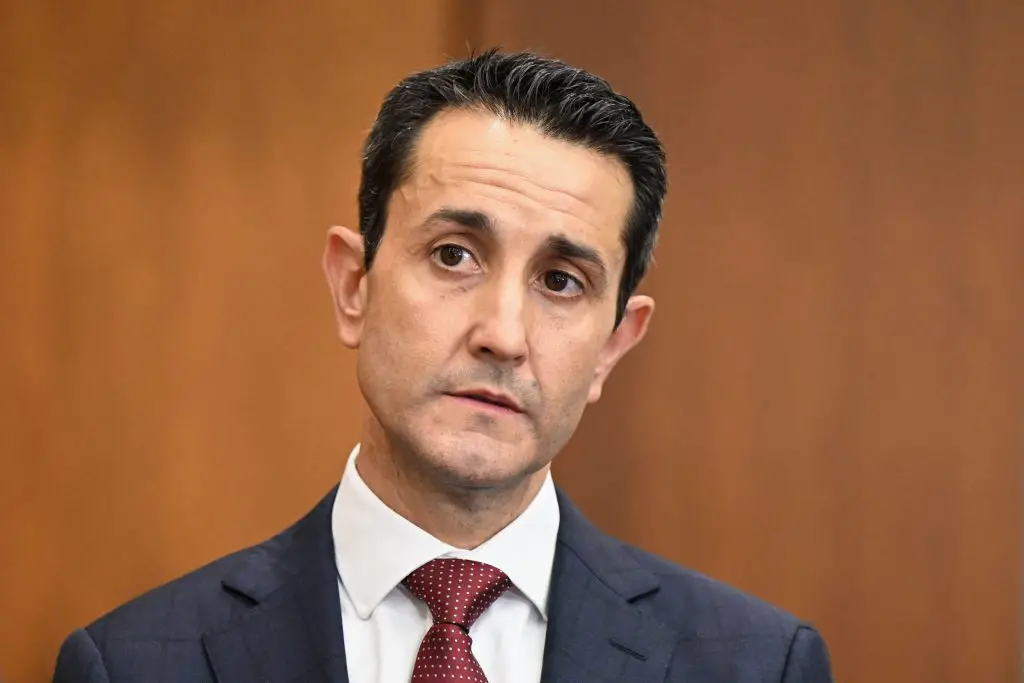
Queensland Premier David Crisafulli defended the crackdown while announcing the legislation, insisting the government needed to take stronger action against extremism and hatred.
“This is about drawing a clear line,” Crisafulli said.
Supporters argue the laws became necessary following months of heightened tensions, rising antisemitism concerns, and politically motivated violence across Australia.
Queensland’s Jewish Board of Deputies welcomed the reforms, with president Jason Steinberg saying the legislation delivers “real, practical protections” for Jewish Australians, as per The Independent.
But backlash quickly followed.
Civil liberties groups, pro-Palestinian activists, and free speech campaigners accused the government of criminalizing political protest and limiting freedom of expression.
Some legal experts have also warned that the laws could eventually face constitutional challenges in Australia’s High Court, arguing the definitions surrounding ‘offensive’ or ‘menacing’ speech are too broad, as per Brit Brief.
The controversy intensified further after reports emerged that arrests had already been made under the new legislation.
According to the Kangaroo Court of Australia, activist Liam Parry became one of the first people charged after allegedly chanting one of the banned slogans during a protest outside Queensland Parliament.
Parry reportedly plans to fight the charges by arguing his comments were political speech made in the public interest.
Violent attacks intensified tensions even further
The reforms come after months of rising tensions following extremist attacks and growing unrest linked to the ongoing war in Gaza and the wider Israeli-Palestinian conflict.
One of the deadliest incidents occurred during the Bondi Beach terror attack in December last year, when 15 people were killed after gunmen opened fire on crowds attending a Hanukkah celebration.
The massacre was later described as antisemitic terrorism and became one of the deadliest attacks in modern Australian history.
Authorities also discovered homemade explosive devices during the investigation.
The tragedy sparked nationwide discussions surrounding extremism, antisemitism, radicalization, and public safety.
Political leaders responded with tougher gun laws, expanded security measures, and eventually stronger hate speech reforms.
Officials argued that increasingly aggressive rhetoric both online and at public demonstrations had contributed to rising fear and division within communities.
Supporters of the crackdown believe harsher penalties are necessary to prevent extremist language from escalating into real-world violence.
Critics, however, fear governments are responding too aggressively and risking free speech protections in the process.
As debate intensified online, social media users became increasingly curious about which exact slogan could now potentially lead to prison time.
The six-word phrase now carrying possible prison time
At the center of the controversy is one of the most divisive political slogans in the world.
The phrase now carrying possible prison sentences in Queensland is: “From the river to the sea, Palestine will be free.”
The slogan refers to the territory stretching from the Jordan River to the Mediterranean Sea.
Supporters argue the chant represents freedom, equality, and liberation for Palestinians living under occupation and conflict.
Critics, however, claim the phrase implies the destruction of Israel and therefore constitutes antisemitic rhetoric.
That disagreement is exactly why the slogan has become one of the most fiercely debated chants in global politics.
Under Queensland’s new legislation, publicly chanting or displaying the phrase in a way deemed threatening, offensive, or intimidating could result in penalties of up to two years in prison, as per ABC News.
Another phrase reportedly targeted under the reforms is: “Globalize the intifada.”
Activists opposing the laws argue the slogans are political statements supporting Palestinian rights rather than incitements to violence.
Supporters of the legislation insist the phrases have increasingly been used in extremist or threatening contexts and therefore justify legal restrictions.
If legal challenges against the reforms fail, Queensland will remain the first Australian state to officially outlaw the phrase “From the river to the sea, Palestine will be free.”
Related Article: Vaping In These Popular Locations Could Land You In Jail For 10 Years
Related Article: Family Responds After Dad’s Gravestone Sparks Outrage With Hidden Message
Want more stuff like this?
Get the best viral stories straight into your inbox!
