
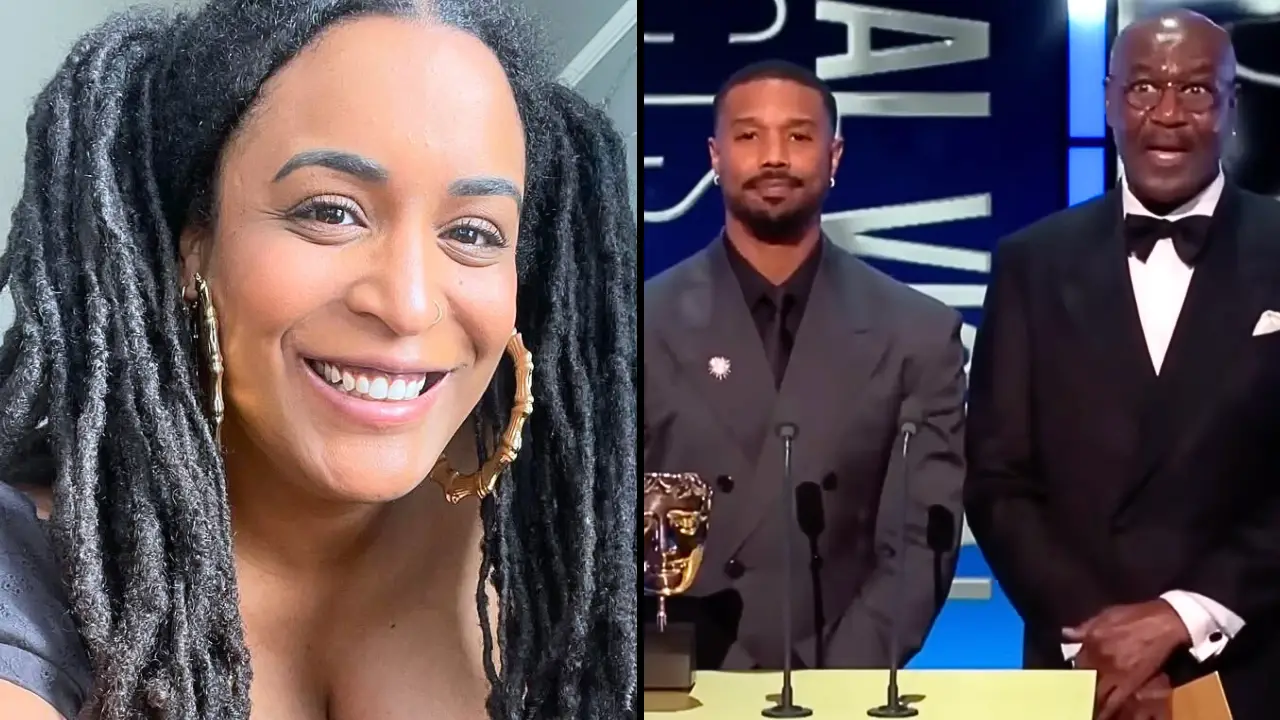
Credit: locdblackswan/Instagram & BBC
‘I’m A Black Person With Tourette’s – What The BAFTAs Debate Got Right And Wrong’
A Black person living with Tourette’s has shared their opinion on the fallout after a racial slur was involuntarily shouted at two Black actors during this year’s British Academy Film Awards.
The 2026 BAFTA Film Awards, often described as the UK’s version of the Oscars, celebrates the best in film from Hollywood and around the world.
During the ceremony, John Davidson, who has Tourette’s syndrome, involuntarily shouted the N-slur while Sinners actors Michael B. Jordan and Delroy Lindo were on stage.
The BBC (British Broadcasting Corporation) aired the event on a delay and later apologized for the language being broadcast.
The BBC is the UK’s publicly funded national broadcaster, producing mainstream television, radio and news, and covering live music events and major awards ceremonies.
It is also the force behind internationally recognized TV shows such as Peaky Blinders, Sherlock and Doctor Who.
The moment sparked widespread outrage and debate across social media, particularly within Black communities and among disabled people.
Conversations about intent, impact and accountability – and how these discussions are handled in public – have unfolded in real time.
At IGV Opinion, when complex cultural moments go viral and spark debate, we believe the people most directly affected should be heard.
Our aim is to pass the mic and amplify the voices that matter, giving them the opportunity to share their lived experiences.
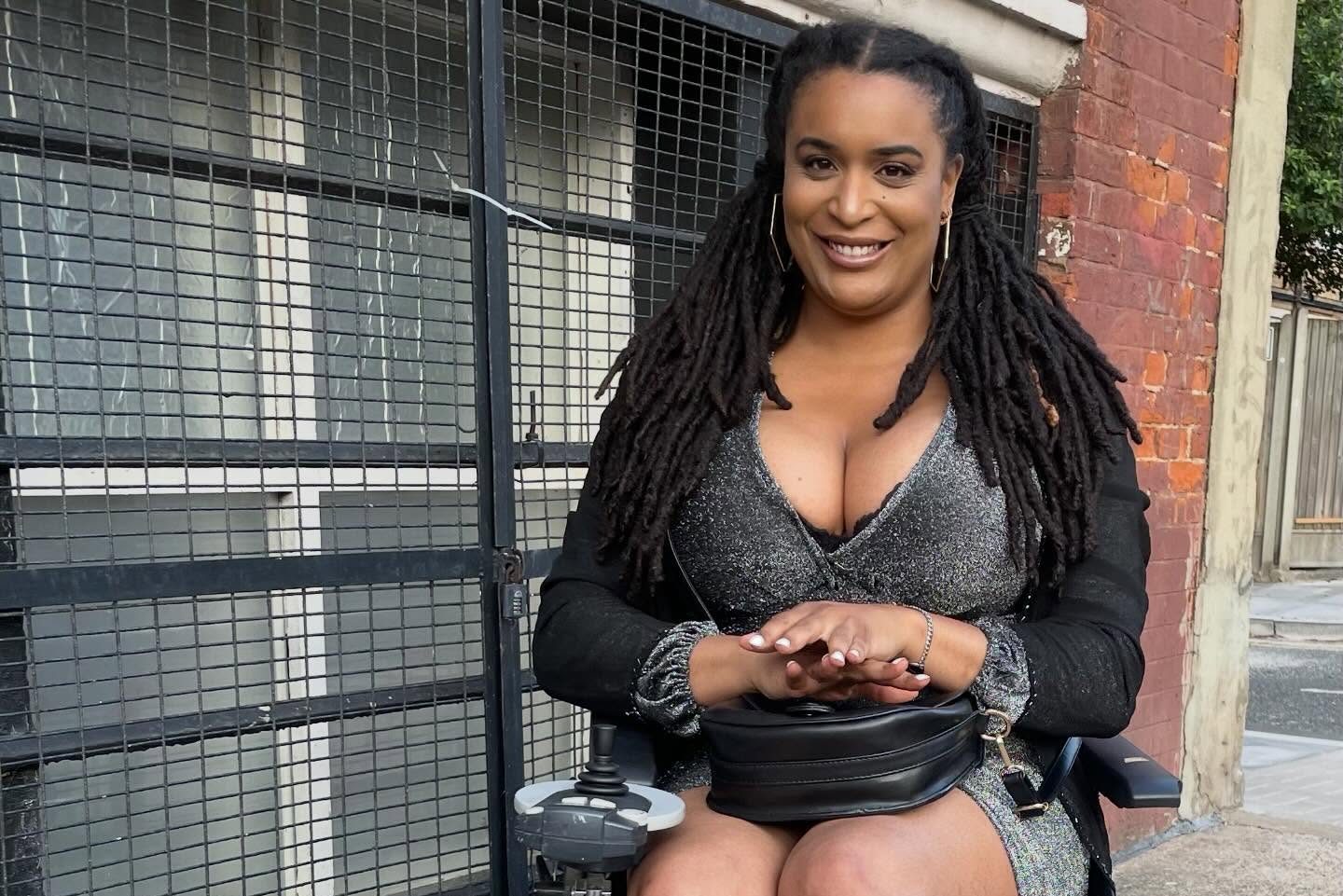
In the piece below, writer Phoenix Gray shares their perspective as someone who is both Black and lives with Tourette’s.
They reflect on their personal journey and explore what the BAFTAs incident revealed about misunderstanding, harm, apology and the balance between compassion and accountability.
Existing at the crossroads of race and Tourette’s
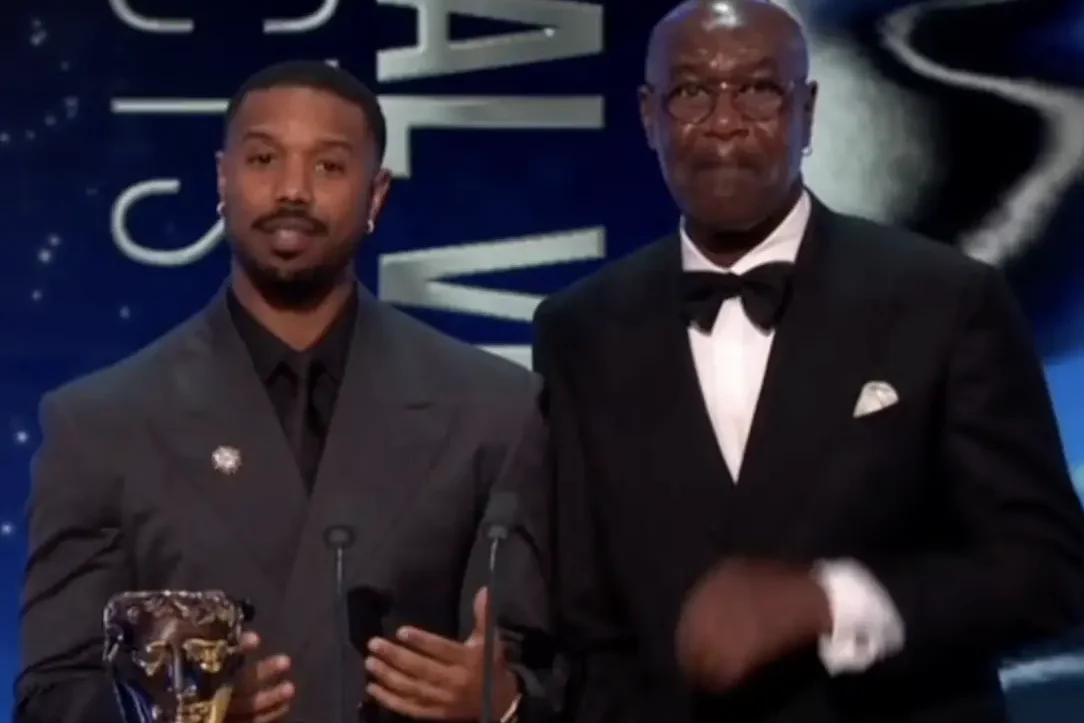
My name is Nix, and I exist at a virtual crossroads, occupying multiple online communities simultaneously. I am both Black and I am a Touretter.
As you can imagine, online conversation regarding the BAFTAs has had my phone pinging multiple times a minute this week.
I have been fielding comments on Instagram’s Threads, answering questions, correcting misinformation and sometimes tearing up in sheer frustration over the harm that has emerged in my communities.
We live in a world which pushes binaries as a way of life, but the reality is that when we think in this polarised and dialectic way, humans and our beautiful, highly complex experiences lose their incredible detail and texture.
I feel an urgency to remind people that multiple truths can – and must – be held concurrently.
I have a voice. My Tourette’s, autism and other neurodivergences may make that voice complicated, but perhaps that is why it matters here.
Tourette’s is not what people think it is
I will use my voice to say this: Tourette’s is wildly misunderstood. Even by Touretters themselves at times.
The notion that tics are voluntary is ableism (discrimination or prejudice against disabled people, rooted in the belief that they are lesser, not normal, or in need of being ‘fixed’).
The assertion that Tourette’s is a condition where we say what we’re secretly thinking is nonsense.
Saturday Night Live’s latest skit on the BAFTAs controversy left me shaking with anger and incredibly emotional.
Making jokes that equate people with Tourette’s, a neurological condition that causes involuntary outbursts and movements, with celebrities who knowingly express harmful views or carry out harmful actions is an utter disgrace.
It further compounds the terrible culture of misinformation about Tourette’s and punches down at an already highly misunderstood and vulnerable group of people.
Disappointingly, comedian Deon Cole, host of the NAACP Image Awards, also made a joke at the expense of people with Tourette’s.
During Saturday’s ceremony, he said: “Lord, before we go, if there are any white men out here in the audience with Tourette’s, I advise you to tell them they better read the room tonight, Lord.
“It might not go the way they thinketh. Whatever medicine they’re on, they better double up on it, Lord.”
My Tourette’s medication doesn’t work like that, as taking two doses of it would put my heart at risk, amongst other complications.
It also doesn’t mean that I don’t experience tics, and in times of stress I tic regardless of my medication.
Never in my life have I decided that I’m David Attenborough, but if you listened to my tics you’d certainly think I was the presenter of Blue Planet.
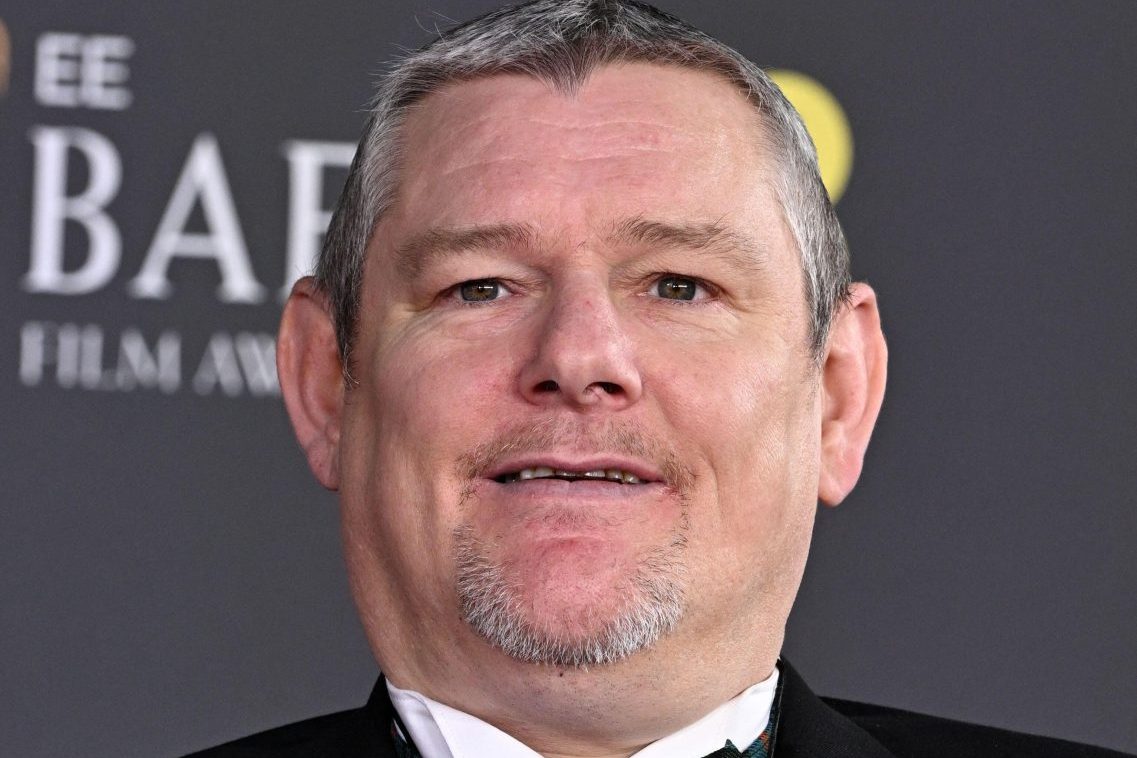
John Davidson’s activism and story has and will continue to have ripple effects in the Tourette’s community for years to come.
The film based on his life, I Swear, was so acutely painful for me to watch that I had to leave the cinema ten minutes into the film.
Make no mistake, there are things about Davidson’s life that feel very similar to my own. However, he is a white man who doesn’t identify himself as disabled.
This is where it gets tricky. It’s for Davidson to decide how he describes himself, of course, but let me be clear with you: Tourette’s is absolutely a disabling condition.
And disabled is not a dirty word, or a negative identity.
Tourette’s is a neurological condition that requires at least one phonic (vocal) tic and two motor (movement or gesture) tics and onset before the age of 18 for diagnosis.
The condition can wax and wane for many people, something I have come to terms with since the decade and a half since I was diagnosed.
The true cost of my tics
There have been periods of my life where it has been incredibly intense and life-altering, impacting my mobility, safety and communication in ways that might surprise you.
I have hurt myself in so many different ways over the years due to my tics: repetitive strain injuries, tense muscles akin to whiplash, falling over, punching myself, hurting myself with items I am holding, and severe tic storms and tic seizure-like episodes.
Other than the motor tics that I experience, my phonic tics can be painful.
Many times, clearing my throat so often as a tic means that I have a constant taste of blood from the back of my painfully raw throat.
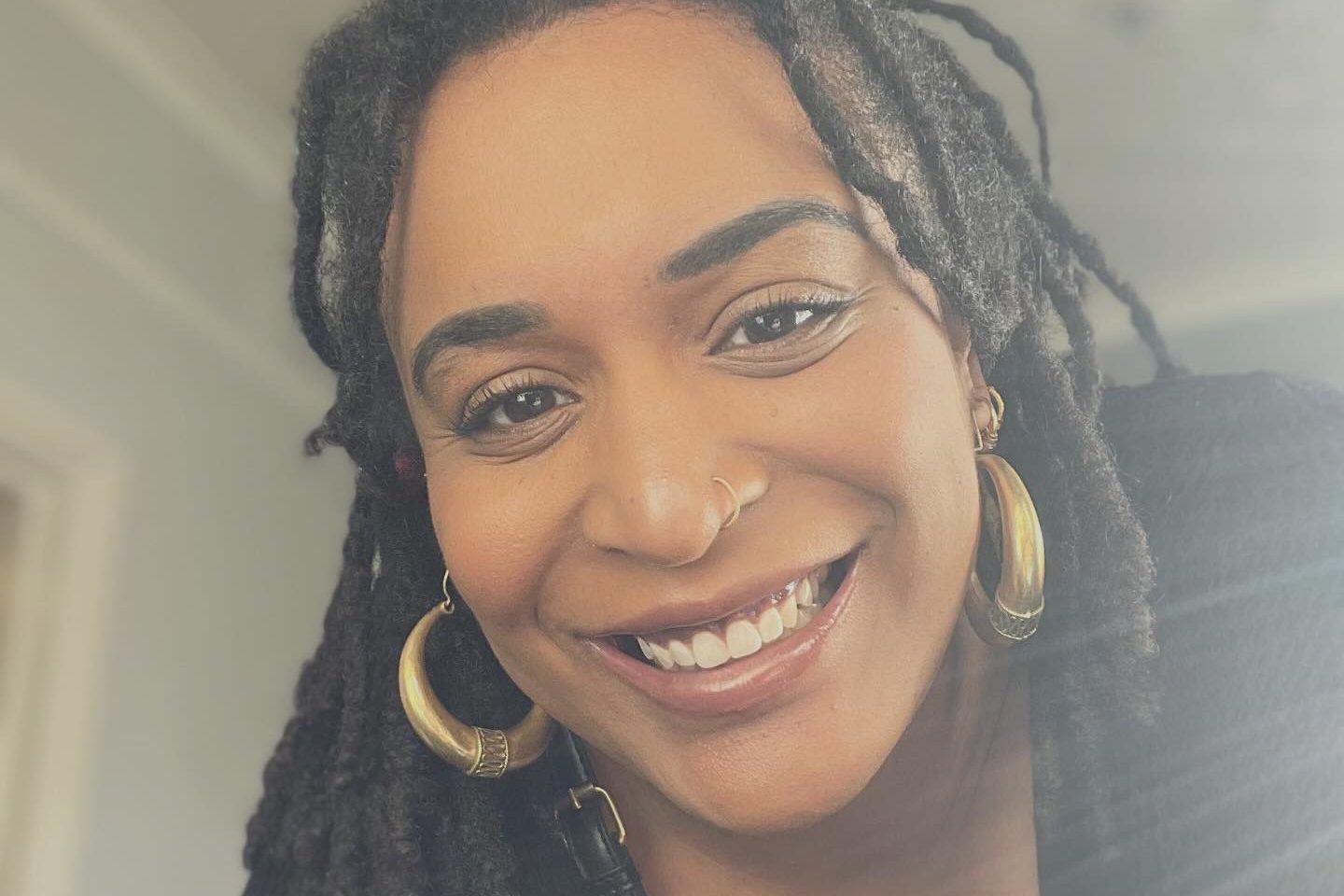
I’ve bruised my face and scraped and grazed skin. I’ve fractured my ankle falling down the stairs due to leg tics.
Additionally, and perhaps in some ways more woundingly, the social harm caused by people misunderstanding the involuntary nature of my tics has been incredibly difficult.
I’ve had people shouting at me to shut up on buses and trains, laughing and pointing at me, telling me that I’m a disgrace, and otherwise verbally attacking me. I’ve been refused services.
One time I called the police during a serious emergency involving someone close to me. The call handler thought I was a prank caller and almost disconnected the call.
What happened at the BAFTAs
I know what it is like to be misunderstood by those who do not know about Tourette’s, but also people who know about the syndrome but assume I do not have it.
All this to say: I understand how complex living as a Touretter can be.
I understand the judgement, the embarrassment, the fears about meeting new people or being in public just simply existing as myself.
I started this piece by stating that multiple truths can be held at once.
I’ll be honest with you. I’ve been angry, apoplectic even, for the past several days.
I’m deeply annoyed with the BBC and the BAFTAs for what occurred on what ought to have been a celebration of individual achievement and the arts.
I’m so sad for Delroy Lindo and Michael B. Jordan. My heart dropped to my stomach when I saw Lindo’s face as he registered the slur being ticced.
What I believe the BBC got wrong
I feel that the BBC’s management of the situation was incredibly flawed, and the situation raises serious questions about editorial judgment and safeguarding.
The program was aired with a two-hour delay, thus allowing for the BBC to edit the program.
Crucially, elsewhere in the ceremony, it edited out a political statement made during an acceptance speech that expressed support for people living under oppressive regimes.
In a public follow-up statement, Davidson revealed he was placed next to a microphone despite being seated some forty rows back from the stage.
Davidson also reports that he was assured by the BAFTAs that his three vocalized tics of the N-slur would be edited out of the aired show.
It is mind boggling that having edited out many of Davidson’s coprolalia tics, the one tic that was left in the show was, at least to me, the most offensive term in the English language.
Remorse, impact and what was missing
Yes, I’m angry at the BBC, but I must return to what I said earlier about holding truths and responses simultaneously.
As much as I admire the work that he and Tourette’s Action have done for the Tourette’s community, I am also disappointed in the initial response of Davidson and the statement issued by Emma McNally, CEO of Tourette’s Action.
Davidson’s first public statement regarding this mentioned how mortified he was that people thought he had intentionally said this slur.
It was here that I felt something was missing on Davidson’s part, because he did not address the impact that hearing this language would have on the targeted group.
For many people across Black communities, this didn’t land like an adequate apology, or an apology at all.
Specifically, in his public statement, he didn’t use the word ‘sorry’ or ‘apologize’.
Moreover, his response focused largely on his own feelings of embarrassment and being misunderstood, rather than directly addressing the harm experienced by the presenters on stage.
When your body says the worst possible thing
I’m not unused to hearing or vocalizing offensive language, being one of approximately 10-20% of Touretters who experience coprolalia.
Translated from the Latin, coprolalia literally means ‘s*** talking’.
I’m also someone who has ticced the N-slur myself, directed to myself in the mirror. I don’t use the word at all in my voluntary speech, and the first time I did it I cried for hours.
When Jamie Foxx stated in reference to Davidson’s tic ‘he meant that s***’ I wanted to scream at a man I’ve never met ‘and me?’.
‘When I ticced the N-slur and the C-word in the mirror to myself, did I mean it?’
Misinformation about Tourette’s doesn’t help anyone. It leads to a culture of shame and misunderstanding about the complexities of the condition.
Excluding us from public spaces is not the answer
The idea that we should not be allowed in public or should be beaten for ticcing offensive things is discriminatory and oppressive.
I’ve ticced words and phrases that could be considered culturally harmful but not necessarily swear words.
For instance, yelling ‘bacon’ in parts of London where there are Muslim communities existing peacefully alongside communities of all faiths and none.
Some of my tics feel really mean, such as ‘cut your wrists and die!’. Hurtfully, I’ve ticced about pregnancy around friends with fertility issues.
Whenever I am around uniformed police officers I tic ‘f*** the police’.
That said (and here I believe I diverge from the current think pieces about this topic) it has never sat with me that I shouldn’t apologise when I tic what activist Jess Thom of Touretteshero has coined ‘oppositional tics’.
These are tics that are the exact opposite of what you’d like to say or do – the very worst thing to do in the moment.
We must hold more than one truth at once
Though I know it is not my fault that I tic these phrases.
I know how deeply difficult it must feel to be desperately trying for a baby or in the process of an active miscarriage and hear me repeatedly tic ‘I’m pregnant, you’re pregnant, we’re all pregnant together!’ in a sing-song tone that belies the painfulness of the situation.
Here comes my plea for texture and nuance: while I try to make people aware of my condition and the involuntary nature of it, I also apologize for the pain caused to the people around me.
Because accidentally elbowing someone in the face and breaking their nose doesn’t come without dire consequences for the injured party.
Apologizing for a painful or violent tic is not an apology for my condition, but rather an acknowledgment of harm, however unintentional and unwilling I was in the process of executing it.
Follow Phoenix on Instagram’s Threads at @locdblackswan for more reflections and commentary.
Read More: Black People With Tourette’s Speak Out After N-Word Shouted At BAFTAs
Read More: James Van Der Beek And Eric Dane Fans Outraged After They Were ‘Disrespected’ At BAFTAs
Want more stuff like this?
Get the best viral stories straight into your inbox!
