
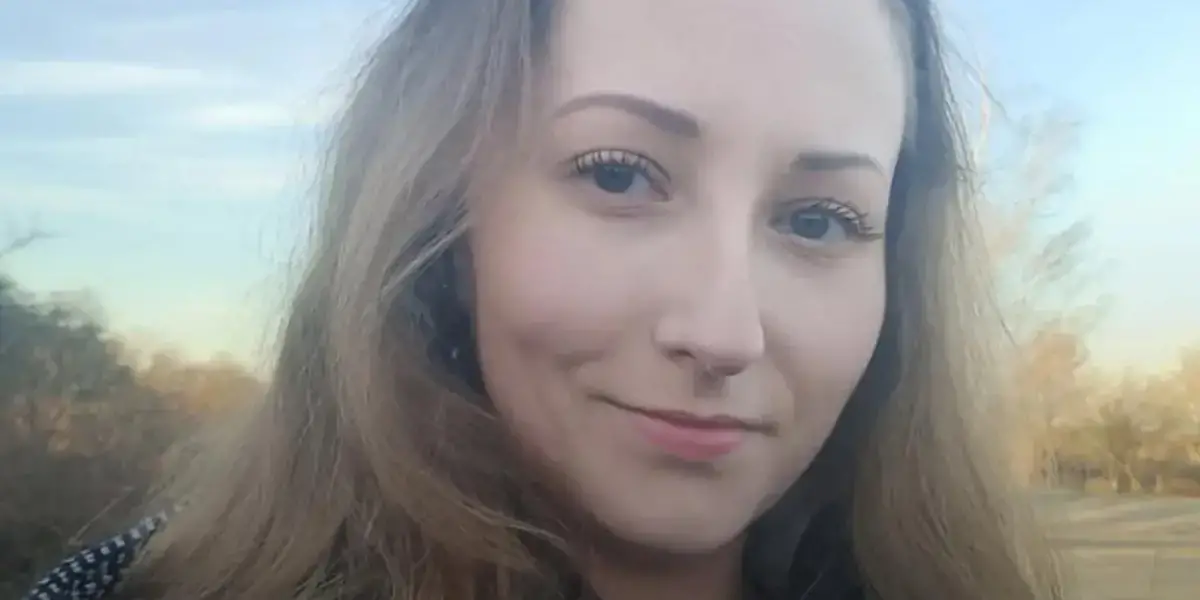
Credit: Zoraya ter Beek
Why Physically Healthy 29-Year-Old’s Wish To Be Euthanized Was Granted
It’s been revealed why a physically healthy woman’s wish to be euthanized was granted at age 29.
Euthanasia, the deliberate act of ending a life to alleviate pain and suffering, remains a highly contentious issue, evoking diverse and deeply held opinions among individuals.
Zoraya ter Beek’s story, however, is truly unique.
She had her request for euthanasia approved at the age of 29, despite being physically healthy.
Ter Beek, who previously resided in a quaint Dutch town close to the German border, garnered attention for her decision to end her own life, despite being in good physical health.
And people were left divided by her controversial decision.
In reaction to ter Beek’s decision, one individual expressed: “Her choice, undoubtedly a difficult one, resonates with dignity.”
Another said: “It’s baffling that some would prefer to witness someone endure prolonged suffering rather than allowing a dignified exit.
“Assisted death grants the opportunity to bid farewell.”
Another added: “I stand behind this decision.
“It’s heartbreaking to witness her enduring such immense suffering. Criticising her choice as selfish is, in itself, an act of selfishness. May she find peace at last.”
Euthanasia in the Netherlands is regulated by the Termination of Life on Request and Assisted Suicide (Review Procedures) Act, which was passed in 2001 and took effect in 2002, as per Alliance VITA.
Ter Beek struggled with autism, depression, anxiety, trauma, and an unspecified personality disorder, as reported by The Free Press, and was granted permission for assisted dying on the grounds of her profound mental suffering.
She died on May 22, 2024.
The young woman’s recent approval for assisted suicide comes after a prolonged three-and-a-half-year process, governed by a law established in the Netherlands in 2002.
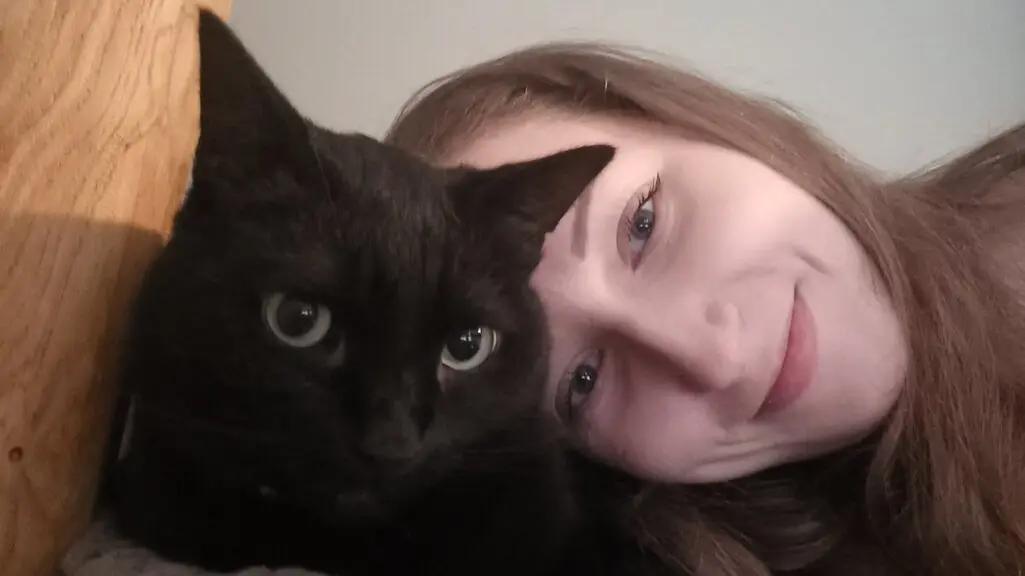
While assisted dying for individuals with psychiatric conditions remains uncommon in the Netherlands, there has been a gradual rise in cases, with 1.5% of euthanasia deaths in 2023 attributed to mental suffering, up from just two cases in 2010 out of 9,068 total deaths, per The Guardian.
Ter Beek’s case has stirred controversy, drawing attention internationally and triggering a wave of responses, some supportive and others critical.
The 29-year-old herself acknowledged the contentious nature of assisted dying, especially when it involves mental illness.
However, she emphasised the stringent regulations in the Netherlands, ensuring that only those facing unbearable suffering with no hope of improvement are eligible for assisted death.
“People think that when you’re mentally ill, you can’t think straight, which is insulting,” she told The Guardian.
“I understand the fears that some disabled people have about assisted dying, and worries about people being under pressure to die.
“But in the Netherlands, we’ve had this law for more than 20 years. There are really strict rules, and it’s really safe.”
Ter Beek’s struggle with mental health issues began early in life and persisted despite various treatments, including therapy, medication, and electroconvulsive therapy (ECT).

Despite her efforts, she found herself in a place where further treatment seemed futile, prompting her decision to seek assisted dying.
“In therapy, I learned a lot about myself and coping mechanisms, but it didn’t fix the main issues. At the beginning of treatment, you start out hopeful. I thought I’d get better. But the longer the treatment goes on, you start losing hope,” ter Beek shared.
“I finished ECT in August 2020, and after a period of accepting there was no more treatment, I applied for assisted dying in December of that year. It’s a long and complicated process. It’s not like you ask for assisted dying on a Monday and you’re dead by Friday.”
Ter Beek explained that she was on a waiting list for an assessment for a long time as so few doctors were willing to be involved in the process.
She revealed that she’s never second-guessed her decision, adding: “I have felt guilt – I have a partner, family, and friends and I’m not blind to their pain. And I’ve felt scared. But I’m absolutely determined to go through with it.
“Every doctor at every stage says: ‘Are you sure? You can stop at any point’. My partner has been in the room for most conversations in order to support me, but several times he has been asked to leave so the doctors can be sure I’m speaking freely.”
Throughout her journey, ter Beek encountered both support and opposition, particularly amplified after media coverage brought her case to international attention.
“I feel relief. It’s been such a long fight,” ter Beek concluded.
If you or someone you know is affected by any of the issues raised in this story, call the National Suicide Prevention Lifeline in the US at 800-273-TALK (8255) or text Crisis Text Line at 741741.
In the UK, the Samaritans is available 24/7 if you need to talk. You can contact them for free by calling 116 123, emailing [email protected] or heading to the website to find your nearest branch.
Related Article: Physically Healthy Woman, 28, Set To Be Euthanised Shares Heartbreaking Reason She Won’t Have A Funeral
Related Article: Inventor ‘Dr Death’ Says His ‘Suicide Capsules’ Will Ask Users Three Questions Before They Die
Want more stuff like this?
Get the best viral stories straight into your inbox!
