
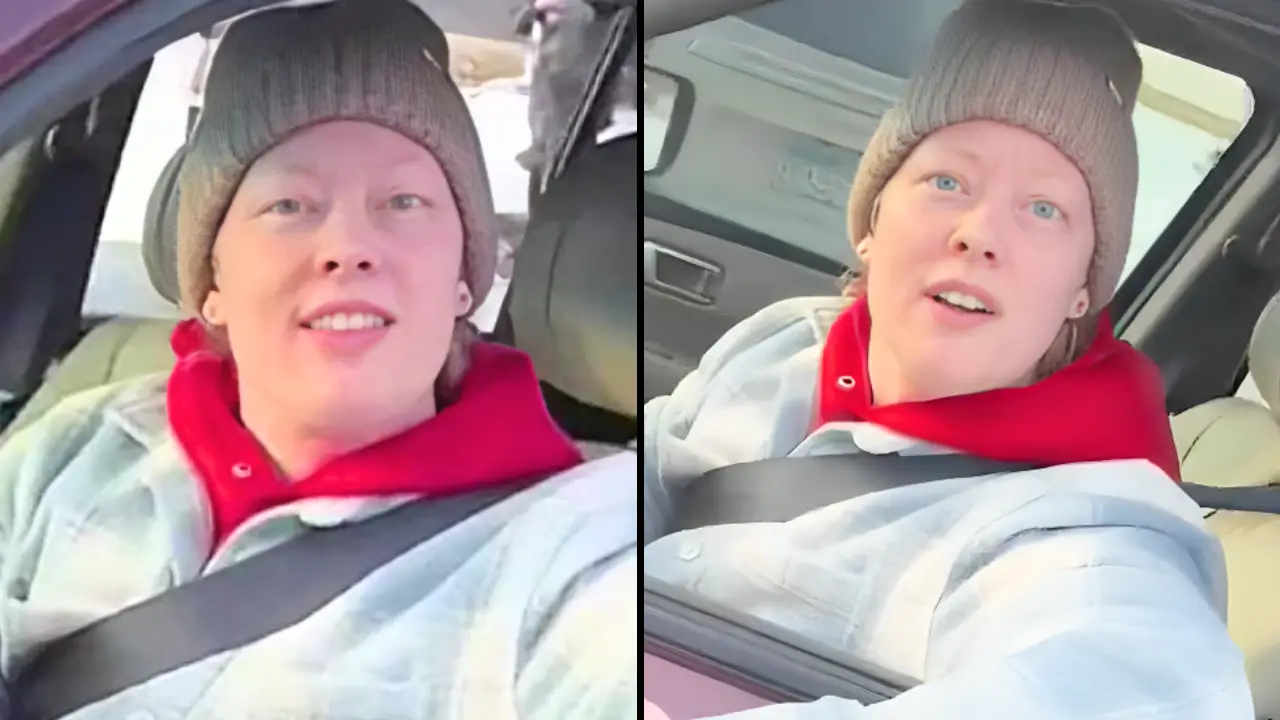
Credit: X
Bombshell Twist Emerges In ICE Killing Of Renee Nicole Good
A bombshell twist has emerged weeks on from the ICE killing of Renee Good.
The fatal shooting of the 37-year-old mother of three by federal immigration agents in Minneapolis has ignited a national firestorm, with new revelations raising profound questions.
As investigations continue and her family seeks justice, a bombshell finding has added a stunning new dimension to an already controversial case.
The shooting that divided a nation
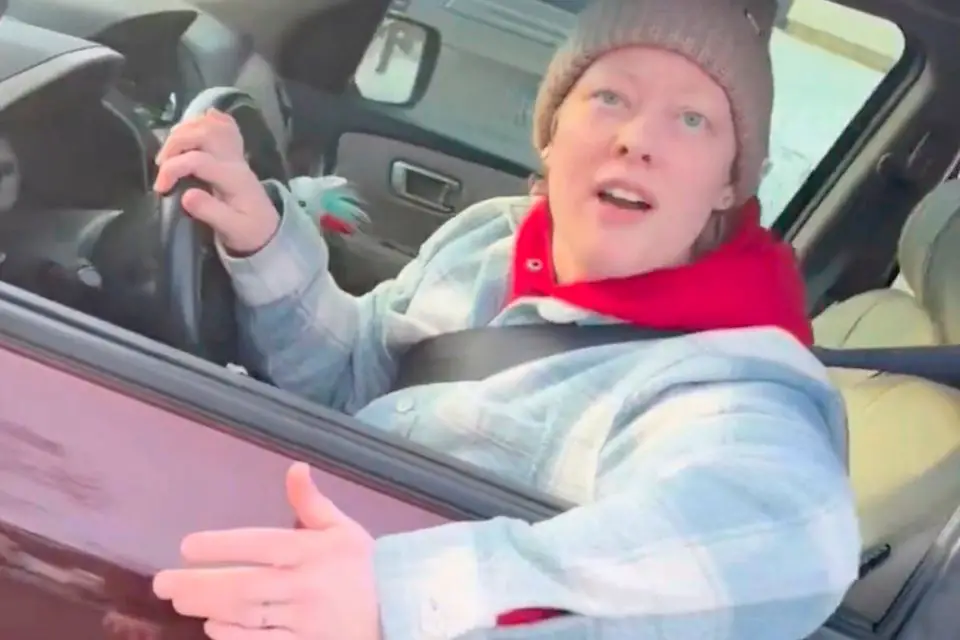
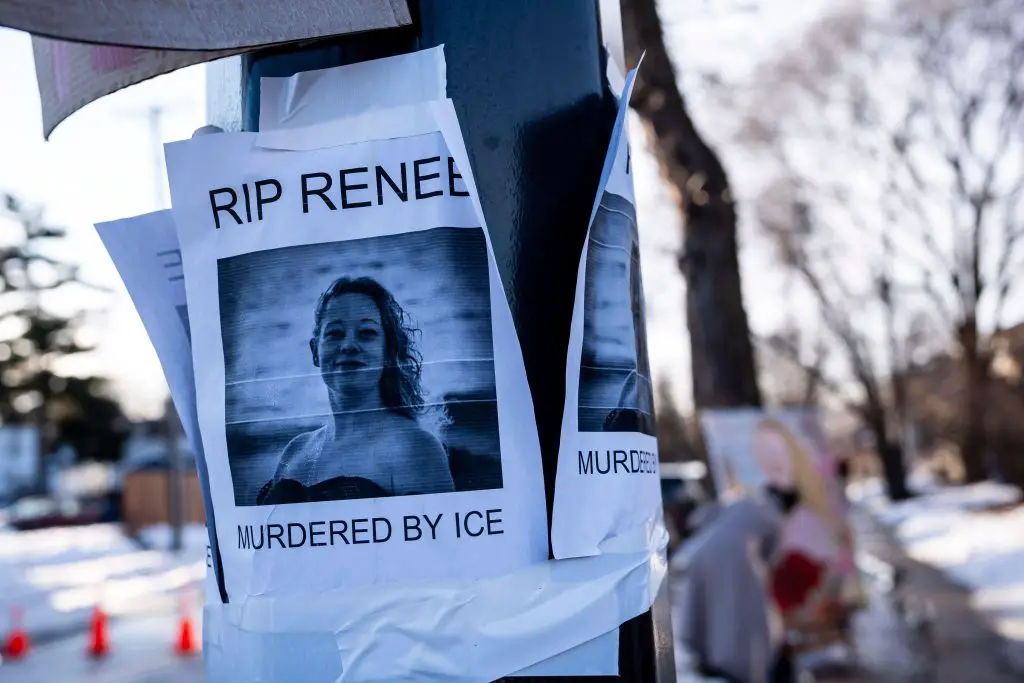
On January 7, 2026, Good was shot and killed by ICE agent Jonathan Ross after dropping her six-year-old child off at school.
The incident occurred during heightened ICE enforcement operations in Minneapolis under the Trump administration’s immigration crackdown, with over 2,000 immigration officers deployed to Minnesota as part of President Donald Trump‘s aggressive approach to illegal immigration.

According to Michelle Gross, president of the Minnesota-based Community United Against Police Brutality, Good was a volunteer in a network of ‘neighborhood patrols’ tracking and recording ICE operations in Minneapolis when she encountered Ross.
Online videos of the shooting, verified by Reuters, show an officer approaching Good’s Honda Pilot SUV and ordering her out while grabbing at the door handle. Another officer appeared in front of the vehicle.
As Good’s car moved forward while turning away from the officers, the agent in front pulled his weapon, stepped back, and fired three shots.
Video evidence suggests at least one shot was fired after the vehicle had already passed the officer, and it remains unclear whether the car made contact with him.
The Trump administration has staunchly defended the shooting, with Department of Homeland Security Secretary Kristi Noem claiming Good had been ‘stalking’ ICE officers and attempting to run them over in ‘an act of domestic terrorism.’
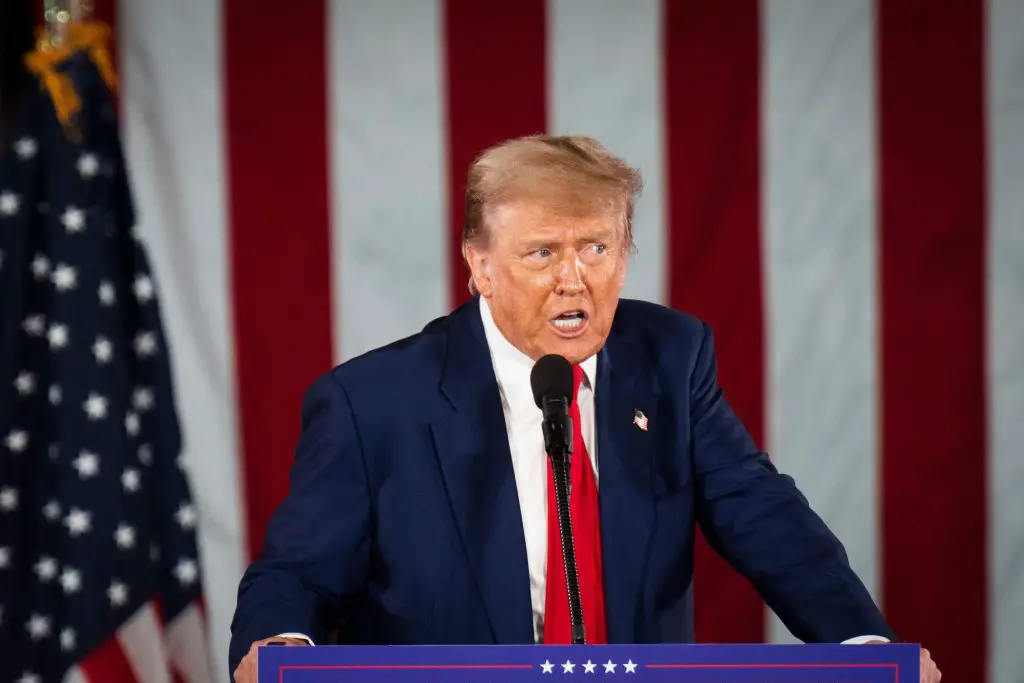
President Trump described Good and her wife, Becca, as ‘professional agitators,’ while Vice President JD Vance claimed the agent’s life was endangered and he fired in self-defense, adding that Ross has ‘absolute immunity’ from prosecution.
However, Minneapolis Mayor Jacob Frey forcefully rejected these characterizations, calling the domestic terrorism claims ‘bulls***.’
Governor Tim Walz took an equally strong stance, stating: “This was an agent recklessly using power that resulted in somebody dying. It was totally avoidable.”
Public opinion reflects deep national divisions.
A YouGov poll found that 61 percent of Republicans believe the shooting was justified, while 88 percent of Democrats think it was unjustified. Among independents, 58 percent felt the shooting was not justified.
The timeline
Beyond the shooting itself, what happened in the minutes and hours that followed has become the subject of mounting controversy.
A detailed timeline analysis by MPR News and APM Reports, which examined videos, 911 calls, fire department records, and dispatch logs, reveals troubling gaps in emergency response that raise serious questions about whether agents did enough to save Good’s life.
It reportedly took more than 10 minutes after Good was shot before anyone performed CPR on her. During that crucial window, ICE agents, who are trained in basic cardiopulmonary resuscitation, did not administer the lifesaving technique.
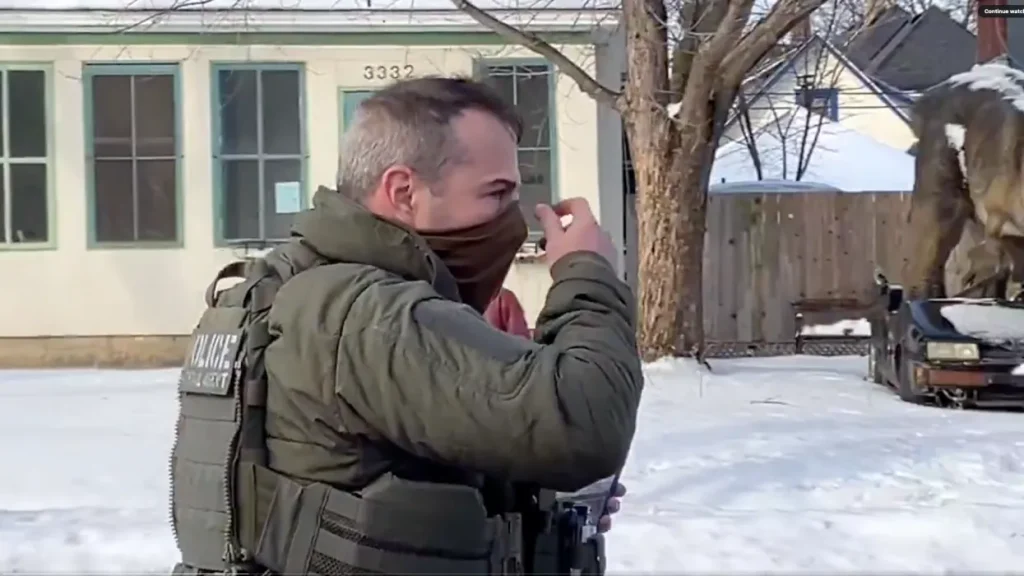
The delays began almost immediately. Federal immigration officials waited nearly three minutes to contact Minneapolis emergency services following the shooting.
By that point, bystanders had already called 911, and police, ambulance, and fire crews were en route. However, they faced significant difficulty reaching the scene because Portland Avenue was clogged with vehicles, many belonging to ICE.
Medical intervention
Perhaps most disturbing was what happened at 9:40 a.m., roughly three minutes after the shooting.
A man across the street identified himself as a doctor and offered to help. ICE agents prevented him from approaching Good.
“Stop the bleeding!” he shouted, according to witness video footage.
When the man persisted in trying to assist, asking: “Is somebody that’s medically trained pronouncing this woman dead?” multiple ICE agents responded by yelling profanities and moving aggressively toward him.
The would-be helper put his hands in the air and backed away.
Wade Watson, a paramedic who trains paramedics at Century College in White Bear Lake, was baffled by the decision.
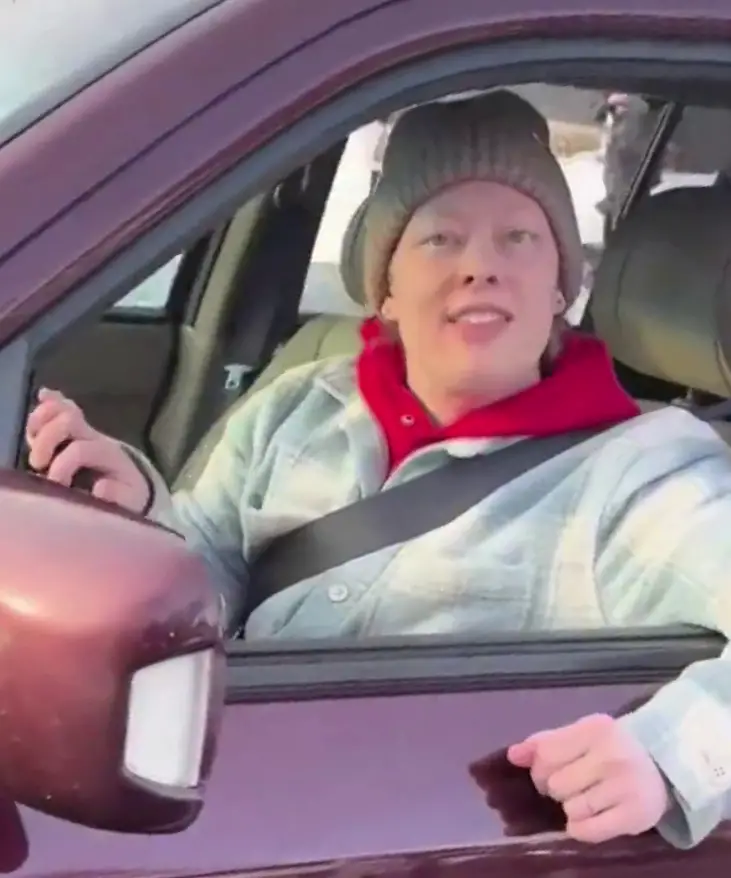
“I don’t care if he’s a podiatrist or whatever, most of the time we would welcome them in until they become a hazard,” he said.
After what appeared to be a brief medical assessment, two ICE agents carrying bags approached Good’s vehicle at 9:38 a.m.
They opened the door and seemed to evaluate her condition. But less than two minutes later, they closed the car door and walked away, leaving Good bleeding and alone in the driver’s seat.
“I don’t know why you’d ever just shut the door unless it’s a safety issue,” Watson said. “We basically say, if the patient is warm, that we would try to do any sort of lifesaving measures.”
When firefighters finally reached Good more than six minutes after the shooting, they found her with wounds to her head, chest, and arm.

Critically, while she wasn’t breathing, she still had what responders described as a ‘thready and irregular’ pulse.
Dr. Adam Armbruster, a family medicine doctor who works in the emergency room at Sleepy Eye Medical Center in southern Minnesota, found this detail particularly significant.
“Somebody with a thready or diminished pulse is not deceased, and to walk away from an individual at that point is somewhat mind-boggling,” he said.
Protocol ignored
The Department of Homeland Security defended the agents’ actions, with assistant secretary Tricia McLaughlin stating that Good didn’t have a pulse when agents assessed her.
However, medical professionals noted that if this were true, CPR should have been initiated immediately.
“CPR needs to be initiated immediately upon loss of pulse, if possible,” Armbruster explained.
According to Mayo Clinic guidelines, CPR should be performed when a patient isn’t breathing or doesn’t have a pulse, exactly the condition DHS claimed Good was in.
ICE’s own use of force policy requires agents to obtain medical assistance ‘as soon as practicable.’
All ICE candidates undergo rigorous training at the Federal Law Enforcement Training Center, including medical training and CPR certification.
“I’m just appalled by the lack of immediate first aid and initial resuscitation attempts,” Armbruster said. “That’s the part that is, I would say, most inadequate to me.”
By the time paramedics began CPR on Good, more than 10 minutes after she was shot, she no longer had a pulse. She was transported to Hennepin County Medical Center roughly 21 minutes after the shooting.
Nearly an hour after Ross fired into her vehicle, hospital staff stopped lifesaving efforts.
The legal battle
Good’s family has retained Chicago-based law firm Romanucci & Blandin, the same firm that represented George Floyd’s family and secured a $27 million settlement from the City of Minneapolis.
The firm is representing Good’s partner Becca Good, as well as her parents and siblings.
“What happened to Renee is wrong, contrary to established policing practices and procedures, and should never happen in today’s America,” the firm stated.
Despite ongoing FBI and federal investigations, sources familiar with the case said that criminal charges against Ross appear ‘increasingly unlikely,’ though they cautioned this could change as more information emerges.
Federal agents generally enjoy immunity from state prosecution for actions taken as part of their official duties, and federal prosecution presents an extremely high legal bar.
The bomshell revelation
On Wednesday, a shocking development emerged, adding a new dimension to the controversy.
An independent autopsy commissioned by Good’s family revealed the full extent of her injuries: she had been shot three times, including once in the head, the Mirror reports.
According to the family’s attorneys, Good suffered gunshot wounds to her left forearm, her right breast, and the left side of her head near the temple, where the bullet entered and exited on the right side.
The head wound appeared to be a graze, scraping off the top layer of skin.
In a stunning conclusion, lead attorney Antonio M. Romanucci revealed that the family’s legal team believes none of the wounds were immediately life-threatening.
“The video evidence depicting the events of January 7, 2026, is clear, particularly when viewed through the standards of reasonable policing and totality of circumstances,” Romanucci wrote.
The revelation that Good may have survived with prompt medical intervention makes the delays in emergency response all the more tragic, and raises profound questions about whether the very agents who shot her then failed to provide the care that could have saved her life.
Related Article: Expert Points Out ‘Significant’ Detail In Renee Good Video Before She Was Fatally Shot By ICE Agent
Related Article: Donald Trump Issues Bombshell Update On When Americans Will Receive $2,000 Payment He Promised
Want more stuff like this?
Get the best viral stories straight into your inbox!
