

Credit: Facebook and X
Renee Good’s Autopsy Report Sheds New Light On Her Death As Tragic New Details Emerge
Renee Good’s autopsy report has shed devastating new light on her death following the controversial ICE shooting.
The fatal shooting of the 37-year-old mother of three by a federal immigration agent has become one of the most controversial law enforcement incidents in recent memory, sparking national debate and raising profound questions about the use of force and accountability.
Now, a newly released independent autopsy report has shed devastating new light on the tragedy that claimed Good’s life.
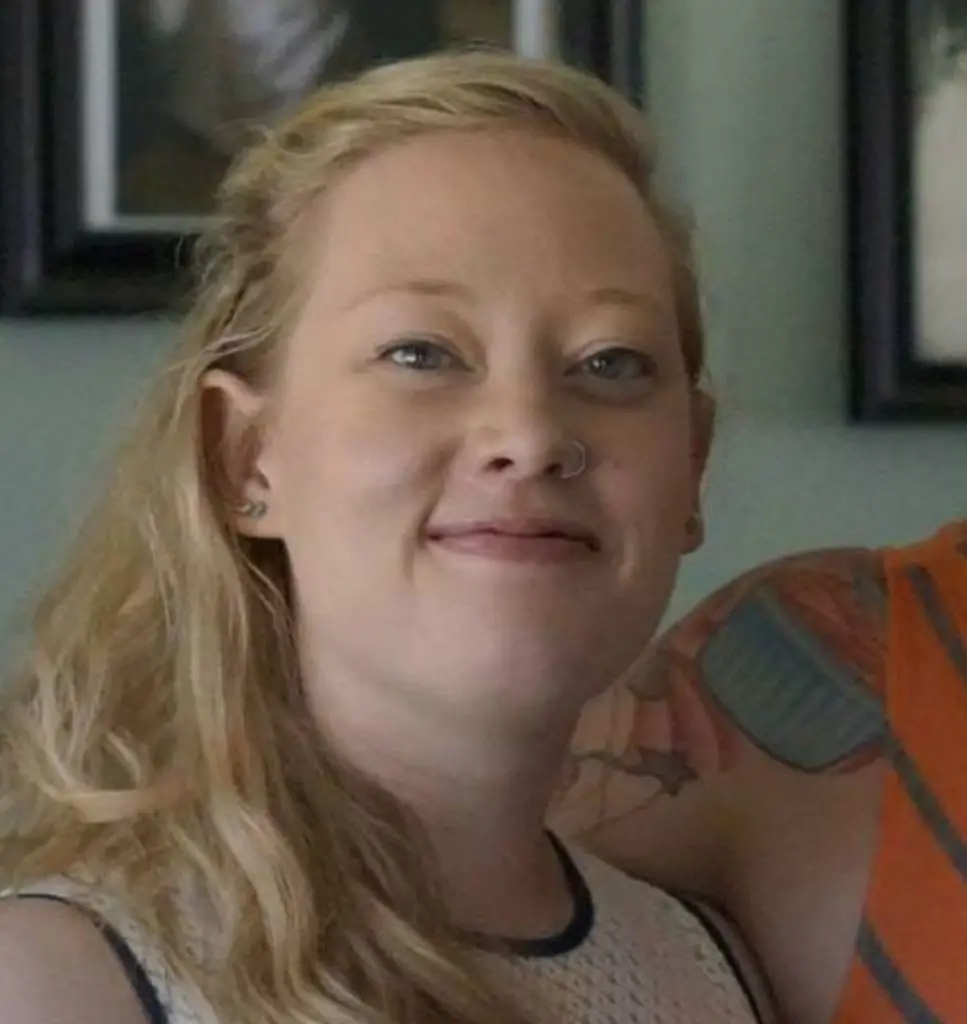
The shooting
On January 7, 2026, Good was shot and killed by ICE agent Jonathan Ross after dropping her six-year-old child off at school in Minneapolis.
According to witnesses and community advocates, the 37-year-old was a volunteer in a network of neighborhood patrols that tracked and recorded ICE operations in Minneapolis when she encountered Ross that morning.
News‑verified video footage shows an officer reaching for the door handle of Good’s Honda Pilot SUV and commanding her to step out.
Another officer positioned himself in front of the vehicle. As Good’s car advanced while turning away, the agent drew his weapon, stepped back, and fired three shots.
The incident has sharply polarized the country, with political leaders presenting vastly different accounts of the events – and an AI bot providing an unexpected reaction.
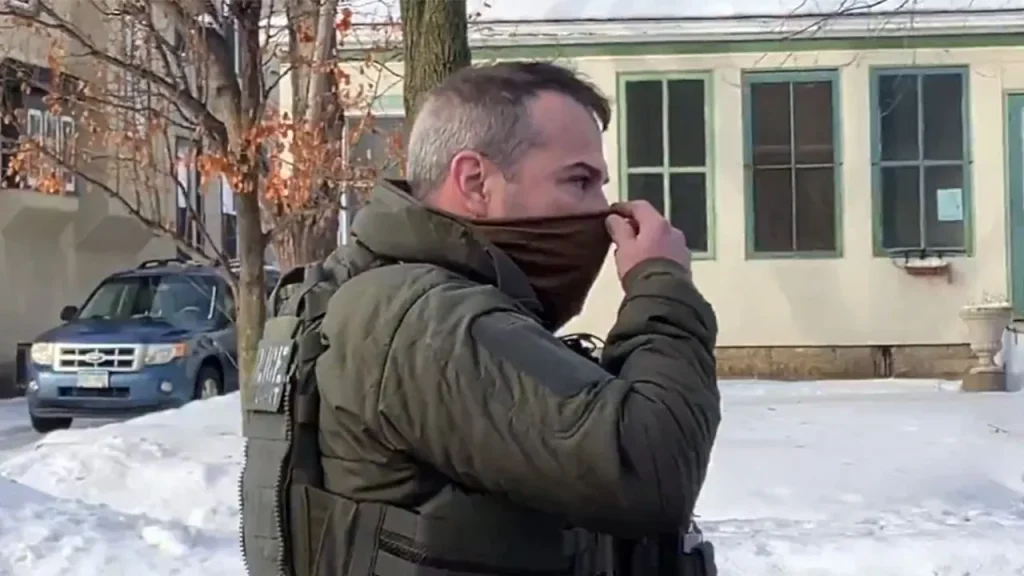
A nation divided
The shooting occurred during an intensified federal immigration enforcement operation in Minneapolis under the Trump administration, which had deployed over 2,000 agents to the area.
The administration has staunchly defended the fatal shooting.
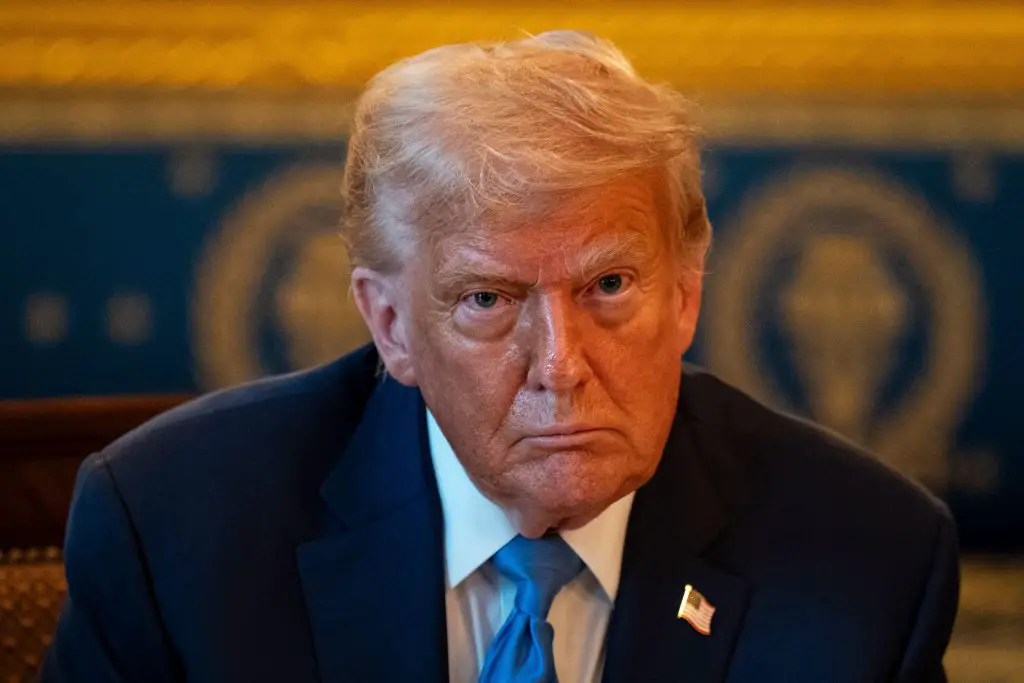
President Trump labeled Good and her wife, Becca, as professional agitators, while Vice President JD Vance maintained that the agent’s life was at risk and that he acted in self‑defense.
Department of Homeland Security Secretary Kristi Noem asserted that Good had been following and interfering with ICE agents throughout the day and tried to use her vehicle against them, characterizing that behavior as an act of domestic terrorism.
Minneapolis Mayor Jacob Frey strongly disputed those claims, denouncing the characterization of the incident as domestic terrorism as offensive.
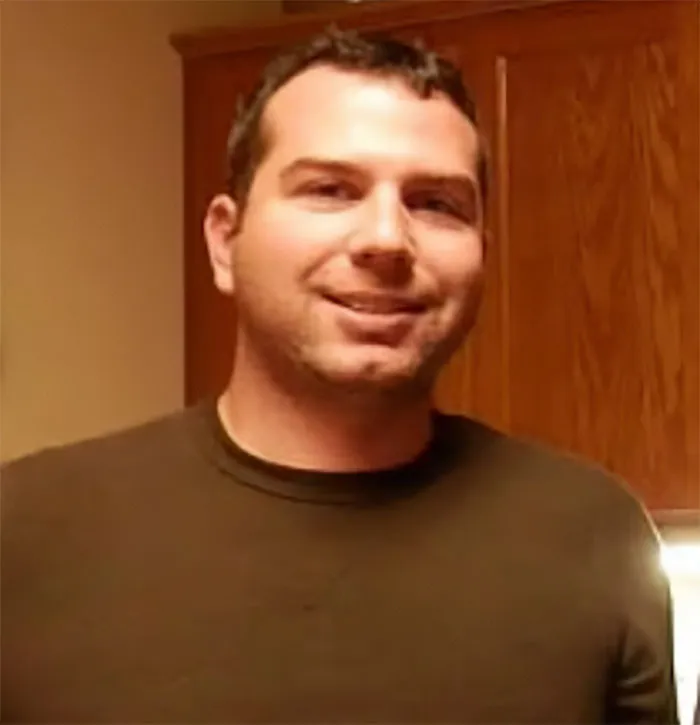
Charges against Jonathan Ross
Even though the FBI and federal authorities continue to review the fatal shooting of Good, current reporting suggests that criminal charges against ICE agent Ross are considered unlikely at present, though that assessment could change as additional details come to light.
Ross is protected by significant legal safeguards that make prosecution difficult. Federal agents are generally shielded from state charges for actions taken in the course of their official duties, as long as those actions were authorized under federal law and deemed necessary and proper.
If Minnesota prosecutors pursue charges, Ross could seek to transfer the case to federal court and assert immunity. To succeed, state prosecutors would have to show that his actions were outside the scope of his duties or were clearly unlawful or objectively unreasonable.
If a judge found Ross immune, the case would be dismissed and could not be brought again.
Federal prosecution faces similar obstacles. Although federal authorities can charge law enforcement officers in fatal shootings, such cases are rare.
Prosecutors would need to prove that Ross knew his actions were unlawful or acted with reckless disregard for constitutional limits, a demanding standard.
Legal experts note that both Minnesota and federal law permit the use of deadly force when an officer reasonably believes it is necessary to protect against death or serious bodily harm.
What happened on January 7?
Perhaps even more troubling than the shooting itself is what happened in the minutes that followed.
A detailed timeline analysis examining videos, emergency calls, fire department records, and dispatch logs reveals disturbing gaps in emergency response.
More than 10 minutes passed after Good was shot before CPR was performed. According to critics and the family’s legal team, ICE agents at the scene – who receive basic CPR training – did not administer lifesaving aid during that window.
Federal immigration officials waited nearly three minutes to contact Minneapolis emergency services following the shooting. When medical help did arrive, responders encountered difficulty reaching the scene because the street was clogged with vehicles, many belonging to ICE.
One especially contentious moment occurred roughly three minutes after the shooting, when a man across the street identified himself as a doctor and offered assistance.

According to witnesses, ICE agents prevented him from approaching Good, and when he persisted, multiple agents yelled profanities and moved aggressively toward him. The man backed away with his hands raised.
After what appeared to be a brief medical assessment, two ICE agents carrying bags approached Good’s vehicle, but less than two minutes later, closed the car door and walked away, leaving her bleeding and alone in the driver’s seat.
When firefighters reached Good more than six minutes after the shooting, they found her with wounds to her head, chest, and arm.
While she was not breathing, responders noted she still had a weak and irregular pulse. By the time paramedics began CPR – more than 10 minutes after the shooting – she no longer had a pulse.
Devastating autopsy findings
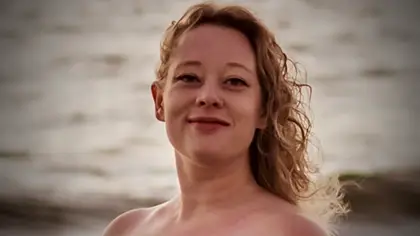
On Wednesday, an independent autopsy commissioned by Good’s family revealed the full extent of her injuries, the Mirror reports.
Good reportedly sustained three gunshot wounds: one to her left forearm, one to her right breast, and one to the left side of her head near the temple, with the bullet passing through to the right side. The head wound removed the top layer of skin.
In a striking revelation, lead attorney Antonio M. Romanucci stated that the family’s legal team believes that none of the injuries posed an immediate threat to life.
The attorneys argue this makes the delays in emergency response all the more tragic, raising questions about whether timely medical care might have altered the outcome.
Good’s family has retained the same Chicago-based law firm that represented George Floyd’s family and secured a $27 million settlement from the City of Minneapolis.
Meanwhile, the Department of Justice has said it sees no basis for pursuing a federal civil rights prosecution related to the shooting, emphasizing that such investigations are not initiated in every case where an officer claims self-defense.
Related Article: Expert Points Out ‘Significant’ Detail In Renee Good Video Before She Was Fatally Shot By ICE Agent
Related Article: Chilling Footage Reveals Last Moments Of Ukrainian Refugee Killed In Random Train Attack
Want more stuff like this?
Get the best viral stories straight into your inbox!
