
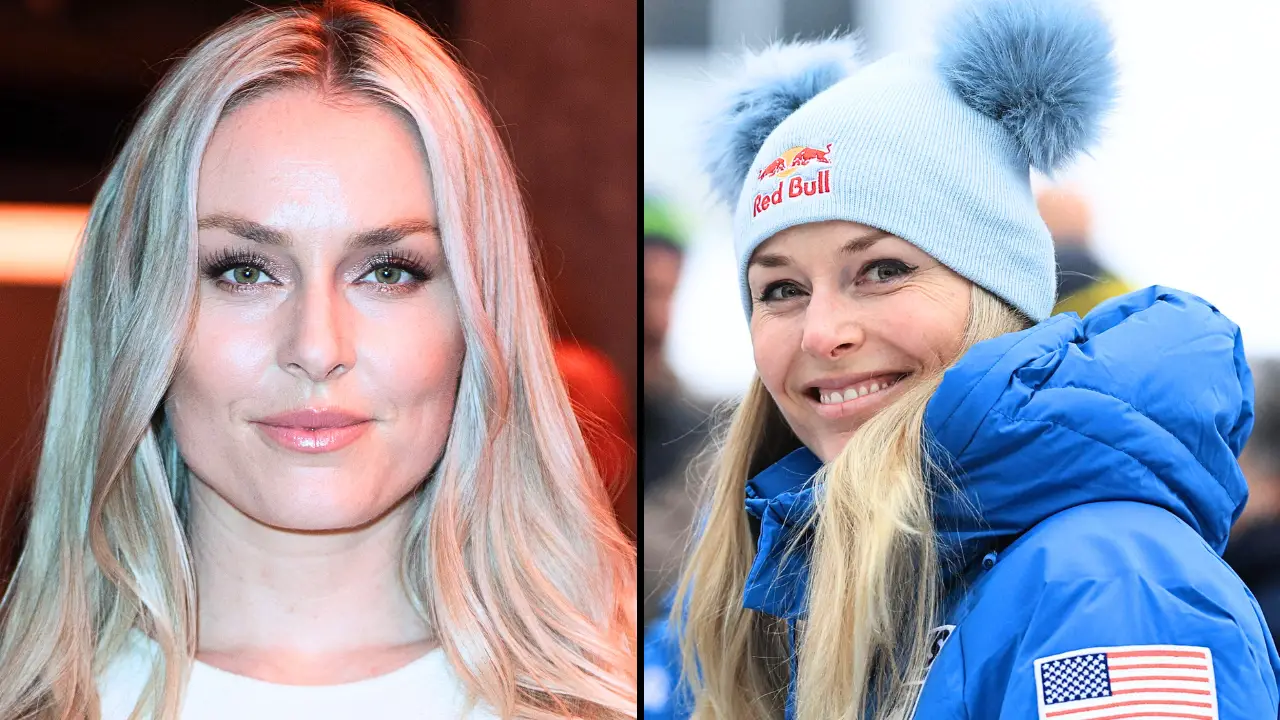
Credit: Alamy
‘Lindsey Vonn Is Still A Champion And Braver Than Ever’
We love comeback stories when they end in glory. We’re far less comfortable when they end in heartbreak, vulnerability, and visible struggle. Lindsey Vonn’s latest chapter exposes that uncomfortable truth.
Few athletes have tested the limits like 41-year-old Vonn, but her recent Olympic return raised more eyebrows than applause.
When Vonn admitted this week that she’s been ‘struggling’ since her latest surgery, the response was immediate.
While some flooded her comments with messages of support, others were far less forgiving.
Many questioned why she had come back at all. Others suggested she had taken a spot that ‘should have gone to someone younger’.
Some even framed her injuries as proof that her return was misguided from the start.
In Vonn’s case, the judgement has been particularly sharp. Not just because she crashed – but because she dared to try again at 41.
When male athletes return later in life, they’re celebrated as legends. When women do the same, they’re framed as reckless, delusional, or past their prime.
But Vonn’s comeback was not irresponsible – it was brave, informed, and very much in the spirit of elite sport.
Vonn’s Olympic return ended in a split second
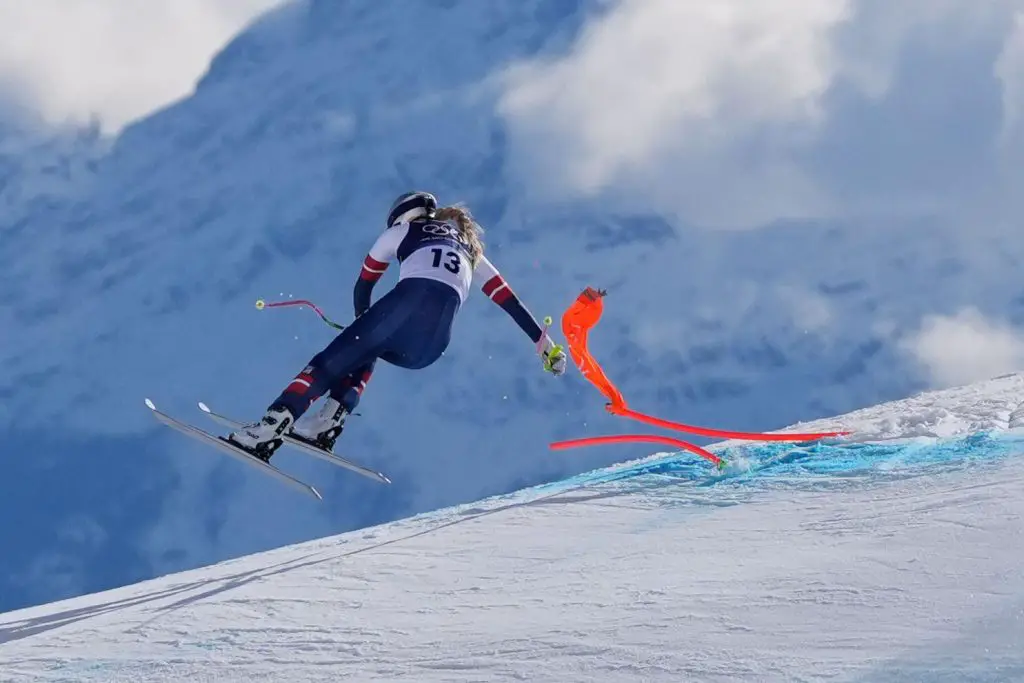
Competing in the women’s downhill final on February 8, Lindsey Vonn crashed just 13 seconds into her run when her pole clipped a course marker.
The impact sent her tumbling at high speed. She was airlifted off the course by helicopter and rushed straight to hospital.
The crowd, which included rapper Snoop Dogg, collectively gasped as she fell, her cries of agony carrying through the course microphones and into the living rooms of millions watching at home.
According to the BBC, organizers were forced to play background noise to try to drown out her distress.
At the finish line, thousands fell silent. Teammates stood frozen.
Breezy Johnson, the reigning world champion who had just put in the run of her life, covered her eyes and turned away.
Nearby, Vonn’s sister stood motionless, the color drained from her face.
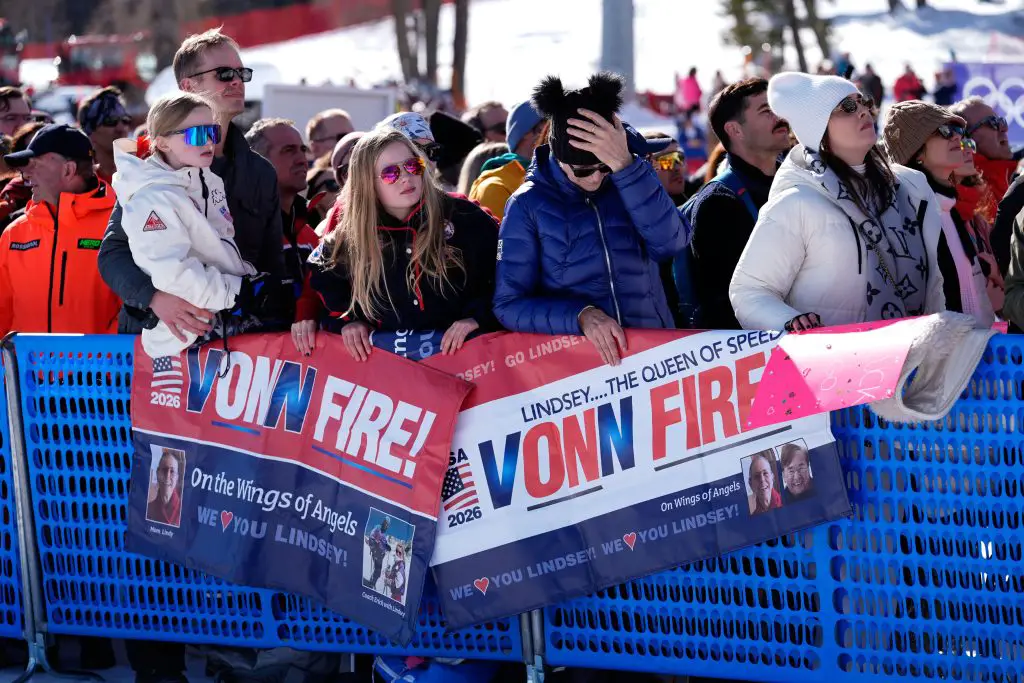
Medical staff reached her as she lay on the snow, and within minutes the sound of rotor blades filled the valley.
For nearly half an hour, thousands waited as she was stabilized, strapped to a stretcher, and winched into the sky – the second time in just nine days she had left a mountain this way.
As the helicopter climbed, the silence finally broke into sustained applause – not for a result or a record, but simply for her.
The images were hard to watch. But so was the reality that followed.
Doctors confirmed she had suffered a complex fracture to her tibia in her left leg.
A serious injury that required immediate surgery and multiple grueling follow-up procedures to stabilize the damage.
It was the same leg she had been battling issues with in the lead-up to the games.
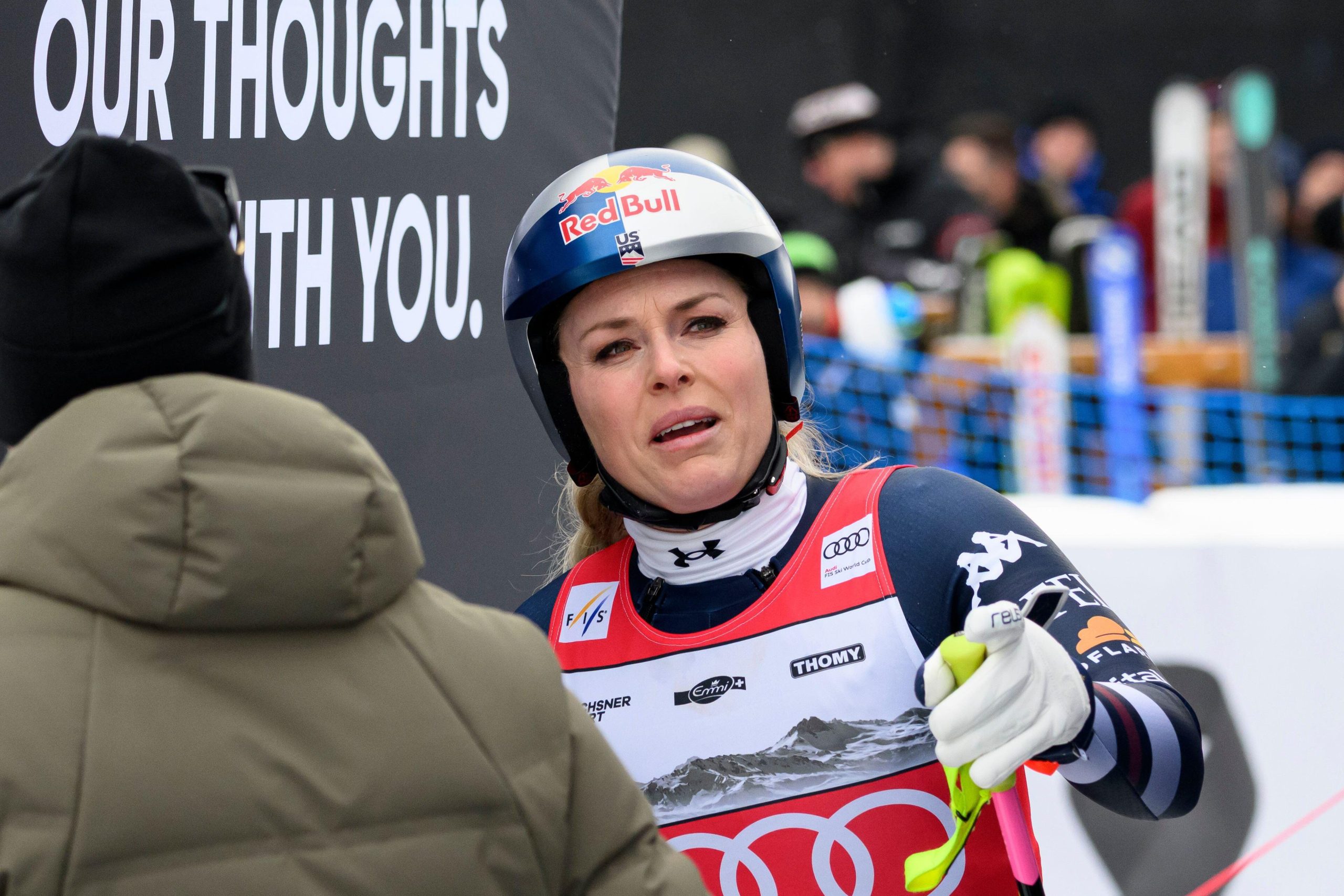
In the days since, Vonn has been open about how brutal the recovery has been.
She has already undergone several operations, with more expected as doctors work to repair the extent of the injury.
In a recent update, she admitted she is ‘struggling’ following her latest surgery, describing a long and uncertain road ahead.
She has since withdrawn from competition and is now focusing on recovery back home in the US, supported by her medical team and family.
It is worth noting that while Vonn had ruptured her ACL at a World Cup event in January, she has been clear that the ACL injury did not cause her Olympic crash.
This was not a case of her body simply ‘giving up’ on her. It was a brutal, high-speed accident in one of the most dangerous events in winter sport.
And yet, instead of compassion, what followed was judgement.
So why was Lindsey Vonn’s courage treated like a mistake?
Why did her age suddenly become the focus of the conversation around her Olympic return?
Why is one of the greatest skiers of all time not given the same grace so often extended to male athletes chasing late-career comebacks?
And why do we celebrate ‘toughness’ in men, but question it when a woman dares to push her limits?
The double standard
Barely a day goes by without Cristiano Ronaldo or LeBron James adding another record to an already impossible list.
Two athletes who have redefined their sports. Two athletes still performing at an elite level in their forties.
Ronaldo is still pulling on the Portugal shirt more than two decades after his international debut – the most capped men’s international player in history.
With 226 appearances and five Ballon d’Or awards to his name.
LeBron, meanwhile, just became the oldest player in NBA history to record a triple-double, doing so at 41 years old in his 23rd season.
It’s a career longer than any other player in the league’s history. He has even shared a court with his own son.
When Valentino Rossi kept racing MotoGP into his forties, it was called passion. Greatness refusing to fade quietly.
When Michael Schumacher came out of retirement to race Formula One again in his early forties, nobody asked whether he should know when to stop.
When George Foreman became heavyweight champion again at 45, it was celebrated as one of sport’s great stories – a defiance of age that inspired millions.
In every case, the narrative was the same: legacy, obsession, excellence.
The rules, it seems, have never applied in quite the same way to everyone.
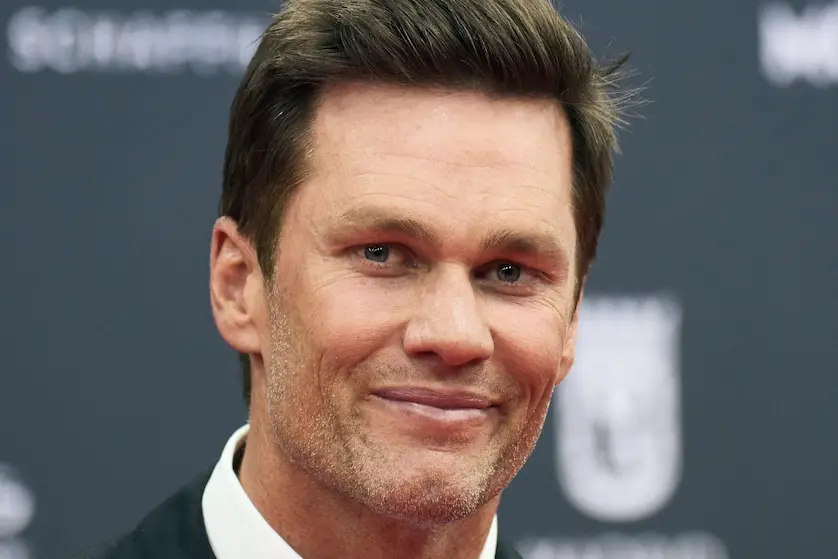
Then there’s Tom Brady. Seven-time Super Bowl champion, widely regarded as the greatest quarterback in NFL history.
Having already led the New England Patriots to six Super Bowls, Brady, at the age of 43, then moved to Tampa Bay and added a seventh championship ring with the Buccaneers.
Tom Brady played into his mid-40s, retired, came back, and squeezed out yet another season in Florida to chase more records.
Fans loved it. Pundits praised his ‘longevity’. Fellow players marveled at his physical and mental endurance as something exceptional.
Michael Jordan shocked the basketball world in 1993 when he walked away from the NBA at just 30 years old, despite having just won his third straight championship with the Chicago Bulls.
After a stint playing minor league baseball, he returned to the Bulls in 1995 and went on to win three more championships, retiring again in 1999.
But Jordan wasn’t done. In 2001, at age 38, he came out of retirement a third time – this time to play for the Washington Wizards.
He agreed to take the league’s minimum salary and donated his entire salary to victims of the 9/11 attacks.
Jordan played two seasons with the Wizards before finally stepping away for good in 2003 at the age of 40.
Over a career that spanned 15 NBA seasons and 32,292 points, he earned a place in basketball history as one of the greatest ever – and did it on his own terms.
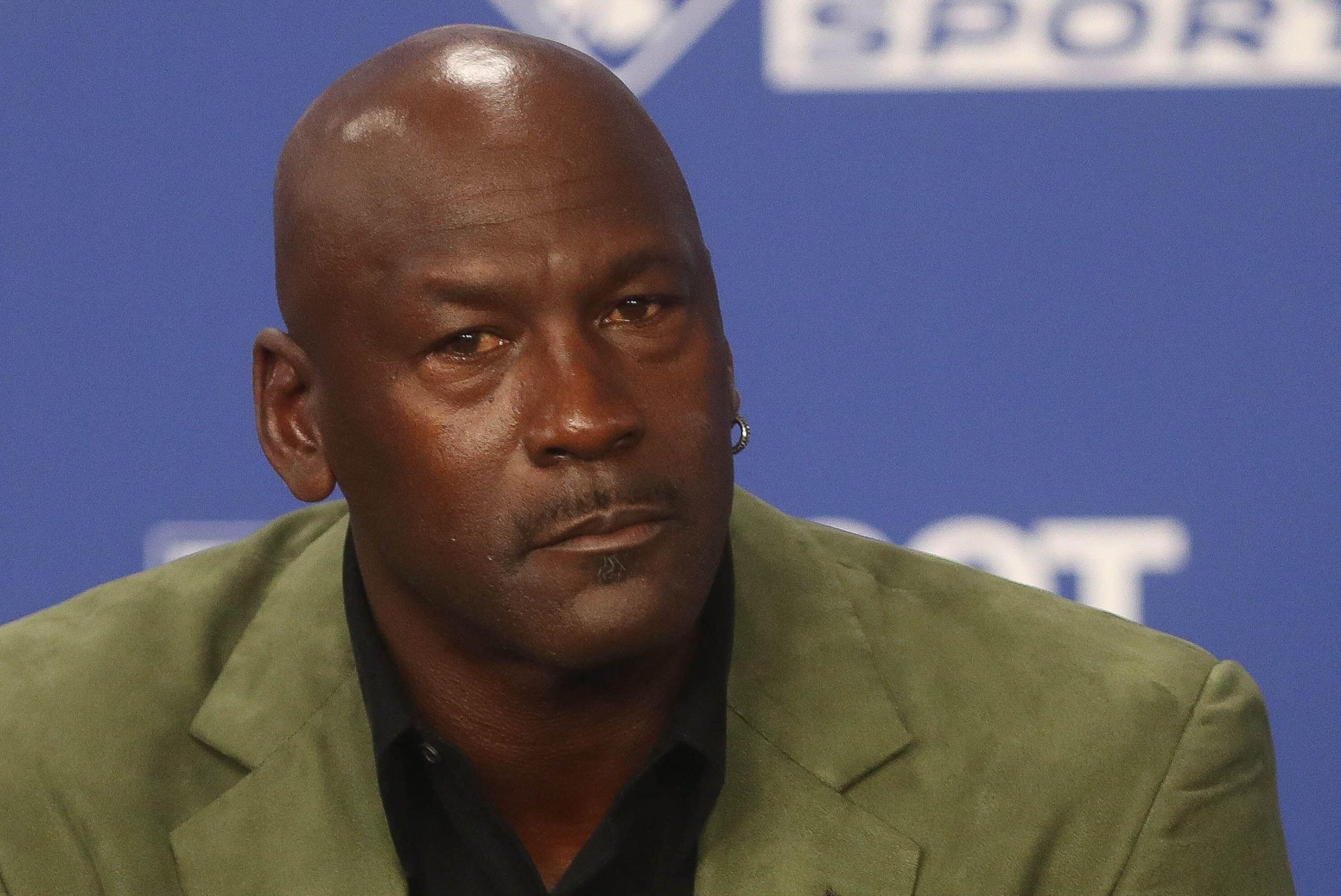
These men were framed as legends, warriors, icons chasing one last chapter – not irresponsible or embarrassing.
But when Lindsey Vonn, one of the most decorated skiers of all time, tried to push through yet another serious injury, the reaction flipped.
Suddenly, her age became the story. Instead of being admired for her mindset and grit, her decision was labelled reckless. Selfish. A mistake.
It is hard not to notice how differently late-career comebacks are received depending on who is making them.
What we celebrate as ‘elite mentality’ in male athletes is too often framed as foolishness when a woman dares to show the same relentless drive.
Never mind that Vonn fairly qualified. Never mind that elite sport is built on risk.
Never mind that she’s spent her entire career hurtling down mountains at close to 80mph.
Apparently, the real mistake wasn’t the crash. It was daring to try again.
Because here’s the part that doesn’t fit the neat narrative people want: Lindsey Vonn is 41. She chose to come back. She knew the risks. And she did it anyway.
Told she was ‘too old’ at 30. She proved them wrong at 52
Claudia Riegler doesn’t fit the narrative.
At the Milano Cortina 2026 Winter Olympics, the Austrian snowboarder became the oldest female Winter Olympian in history.
It should have been a moment that changed the conversation about women and sport.
Quietly, though, it said something else entirely – about how often female athletes are shown the door long before they’re ready to leave.
Riegler knows that feeling better than most.
“When I was 30, I was told I was too old to compete at this level anymore and was dropped from the national team,” she revealed in an interview.
The message was simple: someone else had decided her limits for her. She didn’t accept it.
“When that coach told me I was too old, something happened inside me,” Riegler says.
“My first thought was: I’m not done yet. He didn’t know my dreams, my visions, what I’m capable of – it was only his opinion.”
Twenty years later, she returned to the Olympics again at 52.
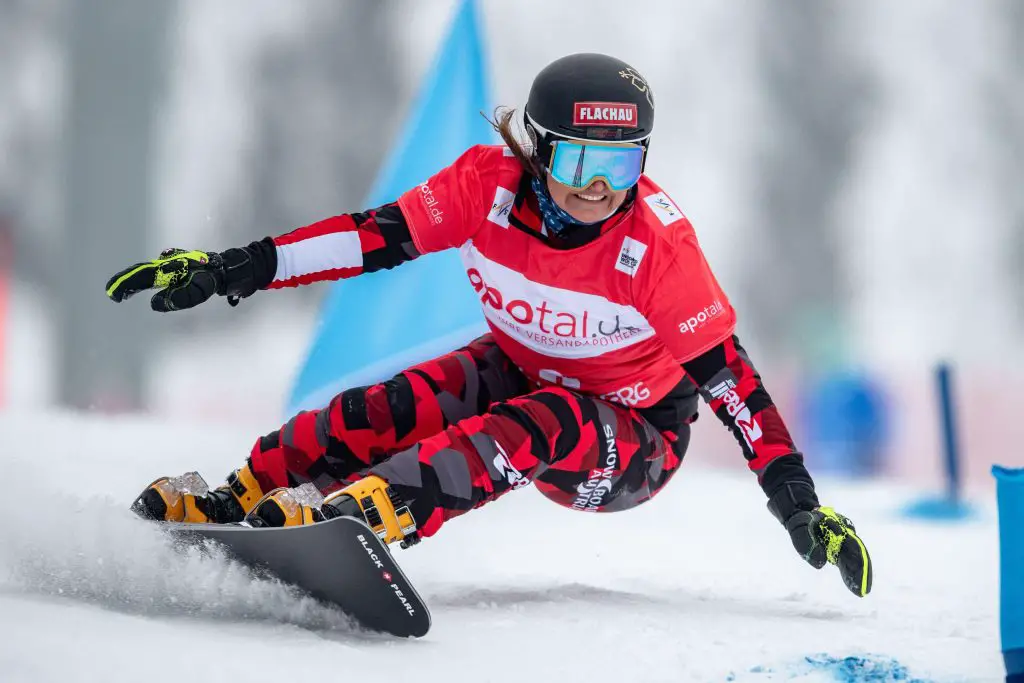
It wasn’t a smooth road to get there. Riegler described January as ‘really tough’, admitting she had never crashed so often in her entire career, and even had to skip a race after a head injury.
But she came through it, qualified, and put down a run that belonged on the biggest stage in sport.
“I really believe that we have so much power within us that we can set our own limits if we go outside our comfort zone,” she said.
“My biggest motivation is to find out what is possible.”
Her story matters because it cuts through the idea that comebacks are about ego or denial.
They’re about agency – about refusing to let someone else’s opinion write the ending of your career.
For female athletes, those opinions come from everywhere: coaches, media, public expectations about what a woman should look like, or be capable of, at a certain age.
Riegler’s story could just as easily have been Lindsey Vonn’s. Both overcame injury and doubt.
Both were told their time was up. The only difference is that one comeback made history, and the other ended on a mountainside.
A woman eleven years Vonn’s senior proved that pushing through pain, criticism and expectation can still lead to success at the very highest level.
That’s worth saying clearly – because some people would rather not acknowledge it.
Acknowledging it makes it much harder to argue that Lindsey Vonn should never have tried at all.
Female athletes don’t get the same grace
The backlash to Lindsey Vonn’s comeback isn’t really about safety. It’s about discomfort.
When women return to elite sport later in life, the story is rarely framed as courageous. It’s framed as embarrassing.
Reckless. A failure to ‘know when to quit’. The tone is harsher, the patience thinner, and the grace afforded far more limited than it is for men attempting one last chapter.
Vonn isn’t alone in this. Kim Clijsters learned how quickly admiration can turn into scepticism.
One of the defining players of her generation, Clijsters retired from professional tennis in 2007 due to persistent injury problems.
Two years later, after giving birth to her daughter, she returned to the tour on wildcards, rebuilding her ranking from scratch.
Within months, she had won the US Open – the same Grand Slam title she had lifted in 2005 – becoming the first unseeded woman to win a major in the Open Era.
It should have been a universally celebrated comeback. Instead, alongside the praise came a familiar undercurrent of doubt.
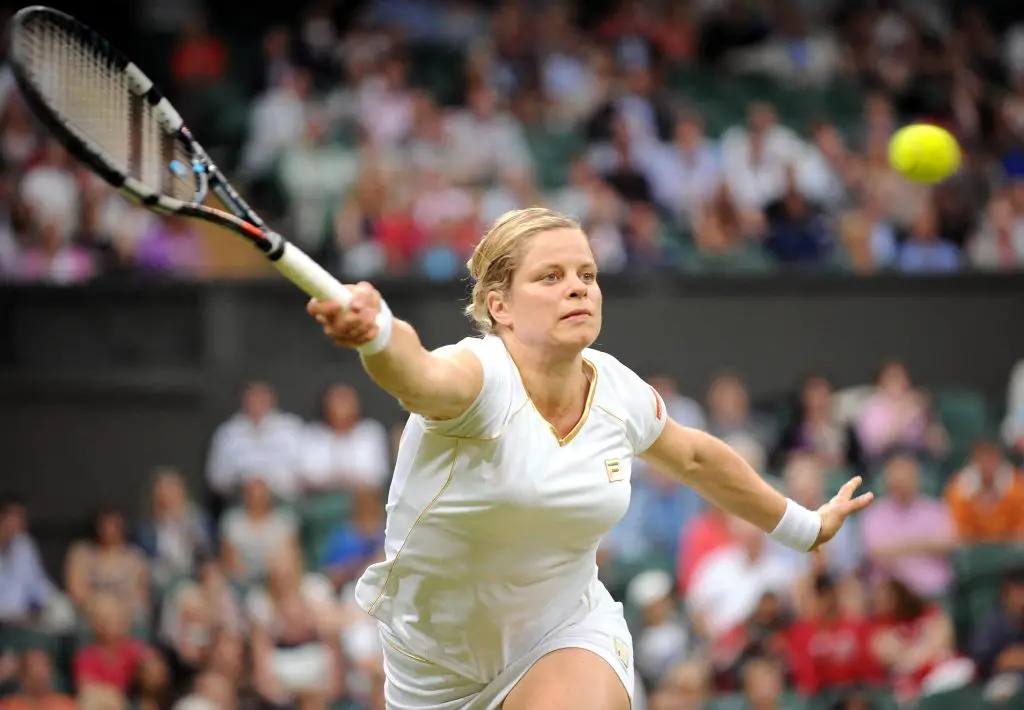
Fans questioned whether people really wanted to ‘see past greats chasing something they can’t get back’.
Others dismissed her return as unrealistic, branding her ‘too old’, ‘delusional’, or ‘past it’ for believing she could still compete at the top.
When Clijsters later announced another comeback in her mid-30s, as a mother of three, the scepticism only intensified.
The narrative was no longer about love of the game or resilience.
It was about whether she was embarrassing herself by refusing to accept that her time had passed.
This is the pattern.
When men come back, the story is about legacy. When women do, the story becomes about whether they should have known better.
The backlash isn’t about protecting athletes from risk. Elite sport has never been safe.
It’s about discomfort with women who refuse to step aside quietly, who don’t package their exits neatly, and who insist on taking up space beyond the age society feels comfortable with.
Age has never been a barrier in sport – until we make it one
Sport, of course, has never had a fixed expiry date.
The oldest Olympic gold medallist in history, Swedish shooter Oscar Swahn, won his first Olympic gold medal at the age of 60 at the 1908 London Games.
He went on to compete at two further Olympics, collecting additional medals along the way.
At the 1912 Stockholm Games, Swahn added more silver and bronze to his collection, proving his longevity was no novelty.
After the interruption of World War I, Swahn returned to Olympic competition at the age of 72, making him the oldest Olympian in history.
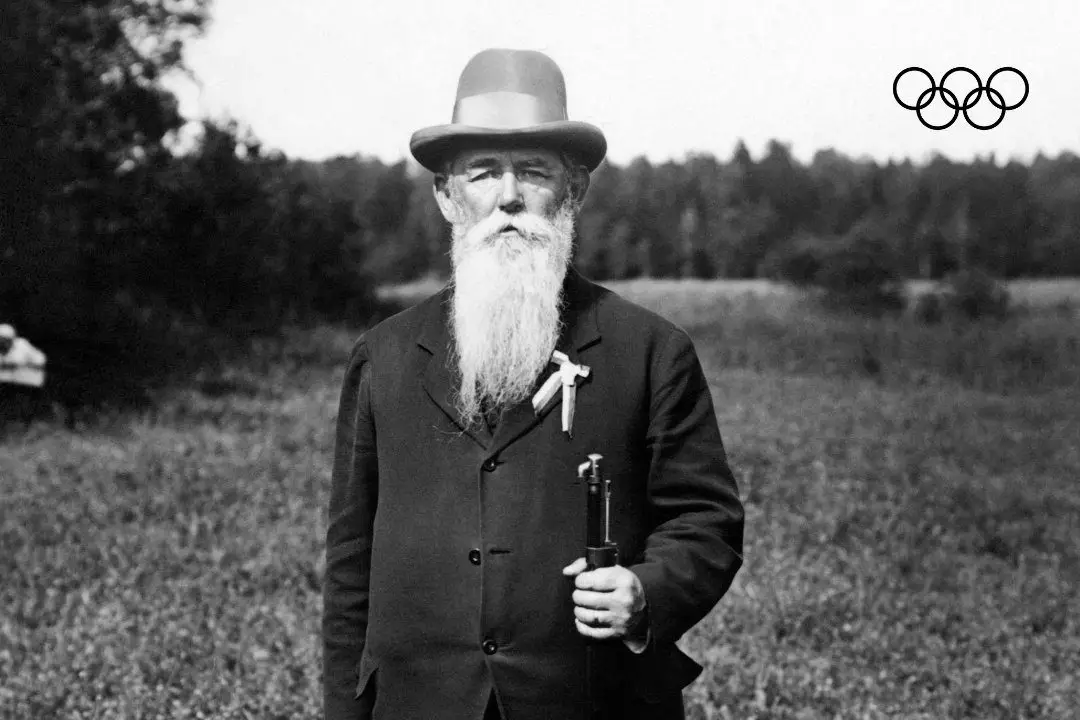
Remarkably, his age did not diminish his ability to perform at the highest level.
He won silver in the team running deer double-shot event and competed across multiple disciplines.
His story is often told as a charming outlier – proof that sport can accommodate longevity when talent and commitment endure.
But that space has never been distributed evenly.
Sport has always made room for athletes who refuse to age out on schedule.
We just don’t always like it when women take up that space.
Lindsey Vonn’s comeback was already one for the ages
A multiple-time World Champion, Lindsey Vonn had already pulled off one of sport’s most unlikely comebacks before she even got to Cortina.
She had retired in 2019 as the oldest woman to win a World Championship gold medal and the first female racer to collect medals at six different World Championships.
Five years later, knee replacement surgery behind her, she returned to the World Cup circuit and won in St. Moritz in December her 83rd World Cup victory.
She then qualified for the Winter Games.
But when it emerged that Vonn planned to race despite rupturing her ACL just days earlier, there was no fanfare. Only criticism.
Which is worth sitting alongside this: in June 1997, Michael Jordan took to the court for game five of the NBA Finals running a serious fever, severely dehydrated after a bout of food poisoning.
He probably should have been in a hospital bed.
Instead, he put up 38 points, seven rebounds and five assists in one of the most iconic performances in basketball history – a game now immortalised simply as ‘the flu game’.
Bulls coach Phil Jackson called it ‘a heroic effort, one to add to the collection of efforts that make up his legend’.
Nobody questioned Jordan’s judgement. Nobody questioned his mentality. They celebrated him.
Vonn was questioned at every turn.
And yet, just by standing at the top of that slope in Cortina on February 8, she had already won something. Her presence there should have been impossible.
The comeback alone – the surgery, the training, the World Cup title, the Olympic qualification – was already one for the ages.
What happened next was just sport. What came before it was something more.
‘Success today has a completely different meaning’
Since the crash, Vonn has kept fans updated from her hospital bed – and even in recovery, her focus has been on others as much as herself.
“Success today has a completely different meaning than it did a few days ago,” she wrote on Instagram.
“I’m making progress and while it is slow, I know I’ll be OK.”
She took time to thank the medical staff, friends and family who had supported her.
Before turning her attention to her teammates still competing at the Games – saying they were ‘inspiring’ her and giving her ‘something to cheer for’.
Even flat on her back, Lindsey Vonn was still showing up.

“With the extent of the trauma, I’ve been struggling a bit post op and have not yet been able to be discharged from the hospital just yet,” she shared in another post.
“Almost there. Baby steps.”
This Winter Olympics was supposed to have a different ending.
Vonn arrived in Italy as one of sport’s great comeback stories.
A woman who had retired in 2019 as the most decorated female skier in history.
Whose body had been through more than most athletes could imagine, and who had somehow come back anyway.
After nearly six years away, her return was nothing short of extraordinary.
She won in St. Moritz in December – her 83rd World Cup victory – and followed it up with further podiums in the weeks that followed, including an 84th win in Zauchensee.
Before she ever set foot in Cortina, she had already done something remarkable.
The crash didn’t erase that. It just meant the ending she deserved never came.

Vonn herself has been clear: ‘no regrets’.
“I dared to dream and had worked so hard to achieve it,” she wrote on Instagram after the crash.
And she’s right – because at 41, simply qualifying for these Winter Olympics was already a championship moment.
The number of athletes who would have even attempted what she did – returning to race days after a serious crash in Switzerland – is vanishingly small.
Most wouldn’t have considered it. Many couldn’t have.
The sight of Vonn at the top of that slope, ready to go again, was worth more than any medal.
Why she’s still a champion – win or lose
Lindsey Vonn does not need another medal to validate what she has already given to her sport.
Her career stands on its own: the records, the titles, the years spent at the very edge of what the human body can withstand. That legacy is secure.
But she remains a champion for a different reason too.
Not because the comeback went to plan. Not because it ended in celebration rather than surgery.
But because she chose to return on her own terms. She chose to stand at the top of the slope again, fully aware of the risks, in a sport where risk is not a side effect but the entry fee.
Crashes are part of elite skiing. Injury is not a moral failure.
The bravery in these moments is not in winning at all costs, but in deciding that the attempt itself is still worth something.
Vonn does not owe anyone a ‘graceful exit’. She does not owe the public a neat ending that fits a comforting narrative about knowing when to step aside.
Women in sport are allowed to try. They are allowed to fail.
They are allowed to return, to risk, to chase one more chapter without being reduced to a cautionary tale when it doesn’t go to plan.
Whether Lindsey Vonn ever stands on another podium or not, the comeback itself matters.
Not as a fairytale, but as a reminder that choosing to compete – especially when the outcome is uncertain – is its own form of courage.
Related Article: Lindsey Vonn Issues Heartbreaking Update After Horrifying Olympics Crash
Related Article: Stomach-Churning Photo Of Lindsey Vonn’s ‘Brutal’ Injury After Olympics Crash Horrifies Fans
Want more stuff like this?
Get the best viral stories straight into your inbox!
